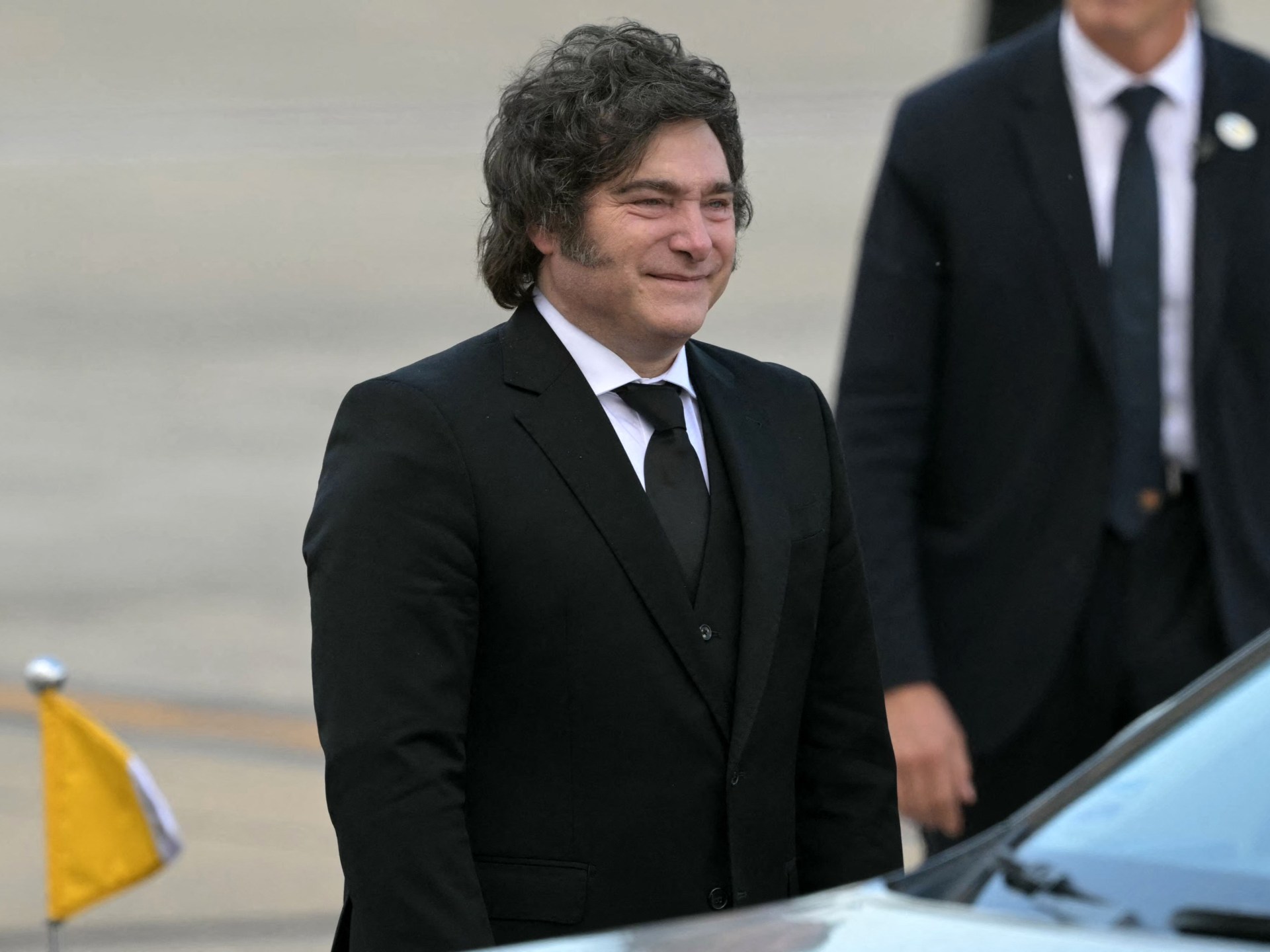
In a tit-for-tat response to Argentina's designation of Iran's Islamic Revolutionary Guard Corps (IRGC) as a "terrorist organization," the Iranian government has announced it will label the Argentinian navy and air force with the same term. The move comes weeks after Javier Milei, the president of Argentina, made the initial designation against Iran in March, citing the 1994 bombing attack on the AMIA Jewish community center in Buenos Aires as justification. The Iranian Ministry of Foreign Affairs issued a statement on Wednesday, asserting that these two branches of the Argentinian military are "terrorist organizations" by the principle of reciprocity, without mentioning the army. Argentina's foreign ministry promptly rejected this designation, deeming it baseless and an unacceptable accusation. Tensions between Iran and Argentina have been strained for over three decades due to Argentina's allegations that Iran-backed groups were responsible for the deadly bombing attack in 1994.
The decision by Argentina to designate the IRGC as a "terrorist organization" was also in line with former US President Donald Trump's efforts to isolate Iran, and it has positioned the Argentinian government firmly behind the United States and Israel. However, this stance has sometimes led to conflicts with other countries in the region, such as Brazil, and Milei has revived disputes with the United Kingdom over the Falkland Islands, which Argentina refers to as Las Malvinas and claims as part of its national territory.
The back-and-forth between Iran and Argentina is not the first time that relations have been strained, but it marks a significant escalation in the rhetoric between the two nations. It remains to be seen how this latest development will impact regional politics and international alliances moving forward.
In a move that escalates tensions between the two countries, Iran has announced it will designate the Argentinian navy and air force as "terrorist organizations," following Argentina's designation of Iran's Islamic Revolutionary Guard Corps (IRGC) in March. The Iranian Ministry of Foreign Affairs issued a statement on Wednesday, stating that these military branches were being designated based on the principle of reciprocity. This decision comes after Javier Milei, the president of Argentina, designated the IRGC as a "terrorist organization" due to allegations that Iran-backed groups were responsible for a deadly bombing attack on the AMIA Jewish community center in Buenos Aires in 1994. Argentina's foreign ministry has since rejected Iran's designation, deeming it baseless and an unacceptable accusation.
The decision by Argentina to designate the IRGC as a "terrorist organization" was in line with former US President Donald Trump's efforts to isolate Iran, positioning the Argentinian government firmly behind the United States and Israel. However, this stance has sometimes led to conflicts with other countries in the region, such as Brazil, and Milei has revived disputes with the United Kingdom over the Falkland Islands, which Argentina claims as part of its national territory.
The latest development marks a significant escalation in the rhetoric between Iran and Argentina, raising concerns about regional politics and international alliances moving forward. It remains to be seen how this latest development will impact relations between the two nations.
In a tit-for-tat response to Argentina's designation of Iran's Islamic Revolutionary Guard Corps (IRGC) as a "terrorist organization," Iran has announced it will label the Argentinian navy and air force with the same term. The move comes weeks after Javier Milei, the president of Argentina, made the initial designation against Iran in March, citing the 1994 bombing attack on the AMIA Jewish community center in Buenos Aires as justification. The Iranian Ministry of Foreign Affairs issued a statement on Wednesday, asserting that these two branches of the Argentinian military are "terrorist organizations" by the principle of reciprocity, without mentioning the army.
Tensions between Iran and Argentina have been strained for over three decades due to allegations that Iran-backed groups were responsible for the deadly bombing attack in 1994. The latest development marks a significant escalation in the rhetoric between the two nations, raising concerns about regional politics and international alliances moving forward. It remains to be seen how this latest development will impact relations between the two nations.
Argentina's decision to designate the IRGC as a "terrorist organization" was also in line with former US President Donald Trump's efforts to isolate Iran, positioning the Argentinian government firmly behind the United States and Israel. However, this stance has sometimes led to conflicts with other countries in the region, such as Brazil, and Milei has revived disputes with the United Kingdom over the Falkland Islands, which Argentina claims as part of its national territory.