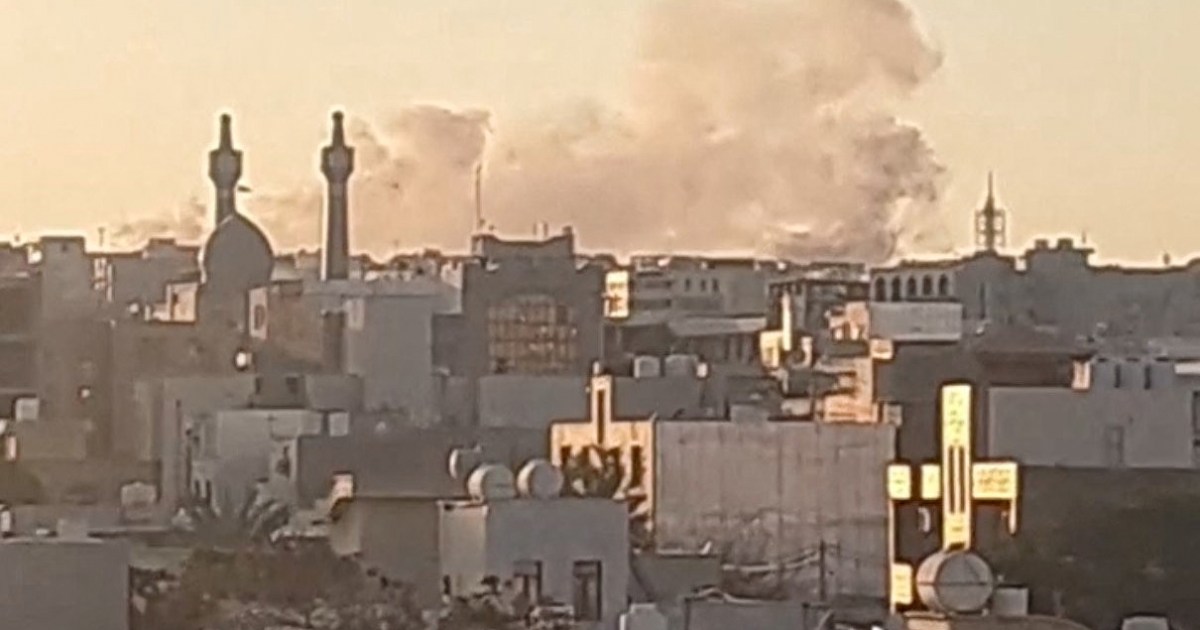
In a recent escalation of regional tensions, Iran has launched attacks on its Gulf neighbours, Kuwait and Bahrain. These attacks follow the US bombing of Iran's Qeshm Island in the Strait of Hormuz. The attacks on Kuwait involved drone strikes against an airbase used by the United States military, marking the first such incident since early September. Bahrain reported fending off an Iranian attack early Wednesday, a day after the US attack on Qeshm Island. The US justified its strike in response to an earlier Iranian attack on a US radar installation in Bahrain. These attacks come at a time when Bahrain has experienced four such incidents in six days, ending a weeks-long respite in the ongoing conflict that started with US-Israeli strikes on Iran on February 28. Iran has claimed its recent actions are in response to US drone surveillance operations and an attack on Iranian communications towers.
The uptick in fighting increases the risk of a wider escalation towards the resumption of all-out conflict, nine months into the war. The potential for diplomatic resolution is complicated by these attacks, as negotiations have stagnated despite intensified mediation efforts from Qatar. Saudi Arabia has strongly condemned the Iranian attacks on Kuwait and Bahrain, denouncing an attack on a tanker belonging to the United Arab Emirates. The Arab League chief also condemned the targeting of a UAE ship as it crossed the Strait of Hormuz. The Gulf Cooperation Council's secretary-general held Iran responsible for this escalation and its impact on regional security. Qatar, Kuwait, and the UAE have similarly expressed their condemnation.
Iran's army chief has reportedly stated that the armed forces are monitoring enemy movements following a third US aircraft carrier's arrival in the Middle East. He warned that Iran's response to any misstep by the US and its allies would be "even more crushing." These developments highlight the ongoing tension between the US and Iran, with both parties seemingly on the brink of further conflict in the Gulf region.
The ongoing tension between the US and Iran has intensified as Iranian forces have targeted both Kuwait and Bahrain. These attacks come in retaliation for a US strike on Iran's Qeshm Island, which occurred in response to an earlier Iranian attack on a US radar installation in Bahrain. The attacks against Kuwait involved drone strikes on an airbase used by the United States military, marking the first such incident since early September. Bahrain reported fending off an Iranian attack early Wednesday, just one day after the US attacked Qeshm Island.
The ongoing conflict between the US and Iran has raised concerns of a wider escalation towards all-out war, with negotiations for a diplomatic solution stalled despite intensified mediation efforts from Qatar. Saudi Arabia strongly condemned the Iranian attacks on Kuwait and Bahrain, denouncing an attack on a tanker belonging to the United Arab Emirates. The Arab League chief also condemned the targeting of a UAE ship as it crossed the Strait of Hormuz. The Gulf Cooperation Council's secretary-general held Iran responsible for this escalation and its impact on regional security. Qatar, Kuwait, and the UAE have similarly expressed their condemnation.
In response to the US action, Iran's army chief has reportedly stated that the armed forces are monitoring enemy movements following a third US aircraft carrier's arrival in the Middle East. He warned that Iran's response to any misstep by the US and its allies would be "even more crushing." These developments underscore the ongoing tension between the US and Iran, with both parties seemingly on the brink of further conflict in the Gulf region.
The ongoing conflict between the US and Iran has taken a turn for the worse, as Iranian forces have launched attacks against both Kuwait and Bahrain. These attacks come in retaliation for a US strike on Iran's Qeshm Island, which occurred in response to an earlier Iranian attack on a US radar installation in Bahrain. The attacks against Kuwait involved drone strikes on an airbase used by the United States military, marking the first such incident since early September. Bahrain reported fending off an Iranian attack early Wednesday, just one day after the US attacked Qeshm Island.
The ongoing conflict between the US and Iran has raised concerns of a wider escalation towards all-out war, with negotiations for a diplomatic solution stalled despite intensified mediation efforts from Qatar. Saudi Arabia strongly condemned the Iranian attacks on Kuwait and Bahrain, denouncing an attack on a tanker belonging to the United Arab Emirates. The Arab League chief also condemned the targeting of a UAE ship as it crossed the Strait of Hormuz. The Gulf Cooperation Council's secretary-general held Iran responsible for this escalation and its impact on regional security. Qatar, Kuwait, and the UAE have similarly expressed their condemnation.
In response to the US action, Iran's army chief has reportedly stated that the armed forces are monitoring enemy movements following a third US aircraft carrier's arrival in the Middle East. He warned that Iran's response to any misstep by the US and its allies would be "even more crushing." These developments highlight the ongoing tension between the US and Iran, with both parties seemingly on the brink of further conflict in the Gulf region.