Trump Admits Hardline Immigration Policy May Have Been Too Harsh for Voters
In a significant concession, US President Donald Trump has acknowledged that his administration's tough immigration policy, marked by controversial deportation drives and widespread protests, may…
By Pulse World Media Desk
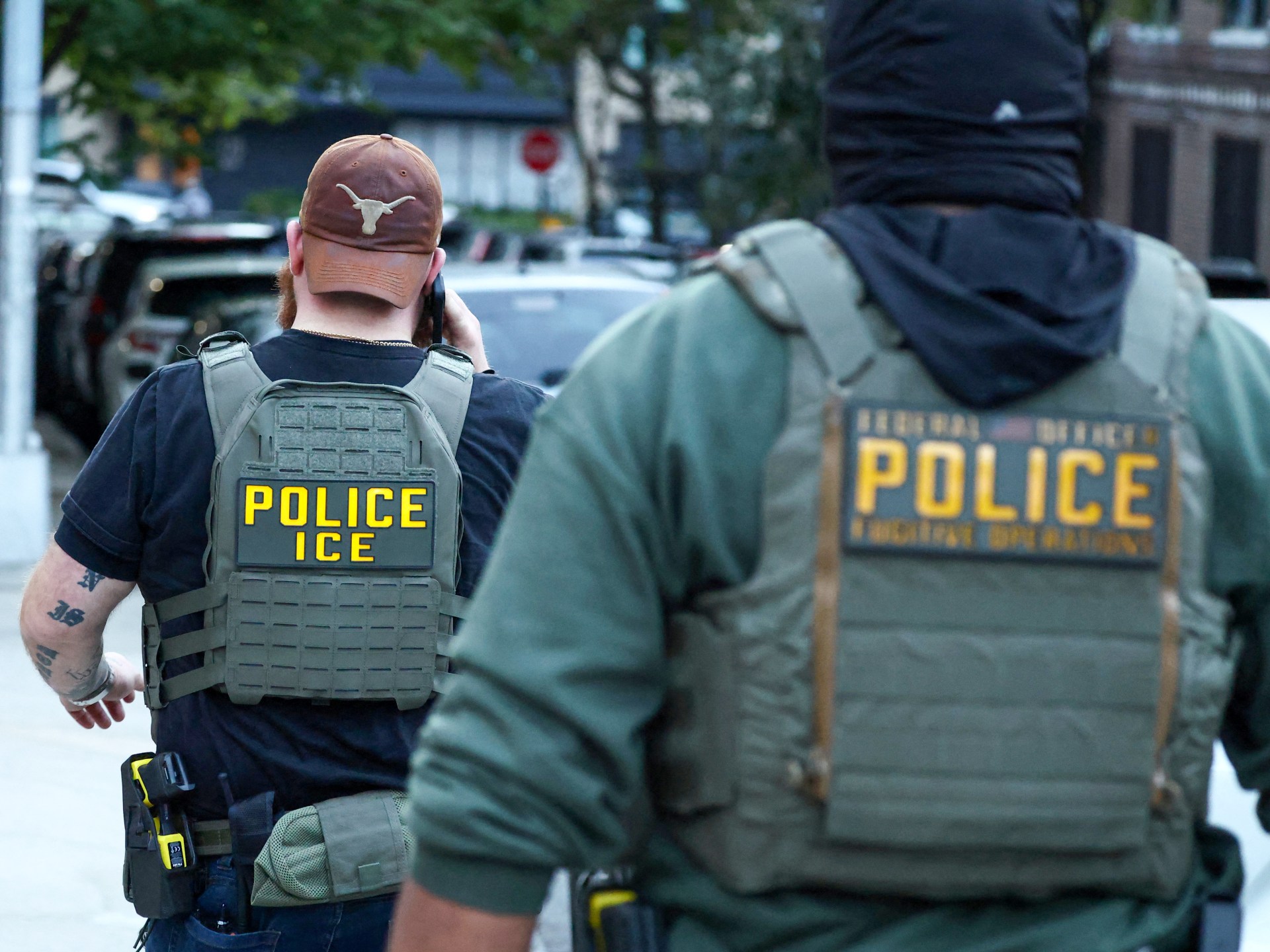
In a significant concession, US President Donald Trump has acknowledged that his administration's tough immigration policy, marked by controversial deportation drives and widespread protests, may have been too extreme for voters. This admission comes after the Republican Party suffered losses in the recent midterm elections. During his first post-election television interview, Trump suggested a possible shift in strategy, hinting at potential cooperation with the newly Democratic-controlled Congress to reach an immigration agreement. Trump admitted that some voters were displeased with the hardline immigration policy, and expressed optimism about finding a middle ground. However, his appointment of Stephen Miller, the architect of his immigration policy, as his White House chief of staff has raised questions about the direction of his immigration policy moving forward. Trump's hardline stance during his campaign, which promised an immigration crackdown, has been criticized for its impact on undocumented migrants and US citizens alike. Two US citizens were tragically killed by federal officers during protests against the operations. Democrats, now in control of Congress, have prioritized oversight of Immigration and Customs Enforcement (ICE) and the Department of Homeland Security. Trump's proposed immigration deal would still target criminals but allow "good people" who have lived and worked in the country while paying taxes to stay.
Filed underPolitics
More stories
PoliticsPoliticsPoliticsPoliticsPoliticsPolitics