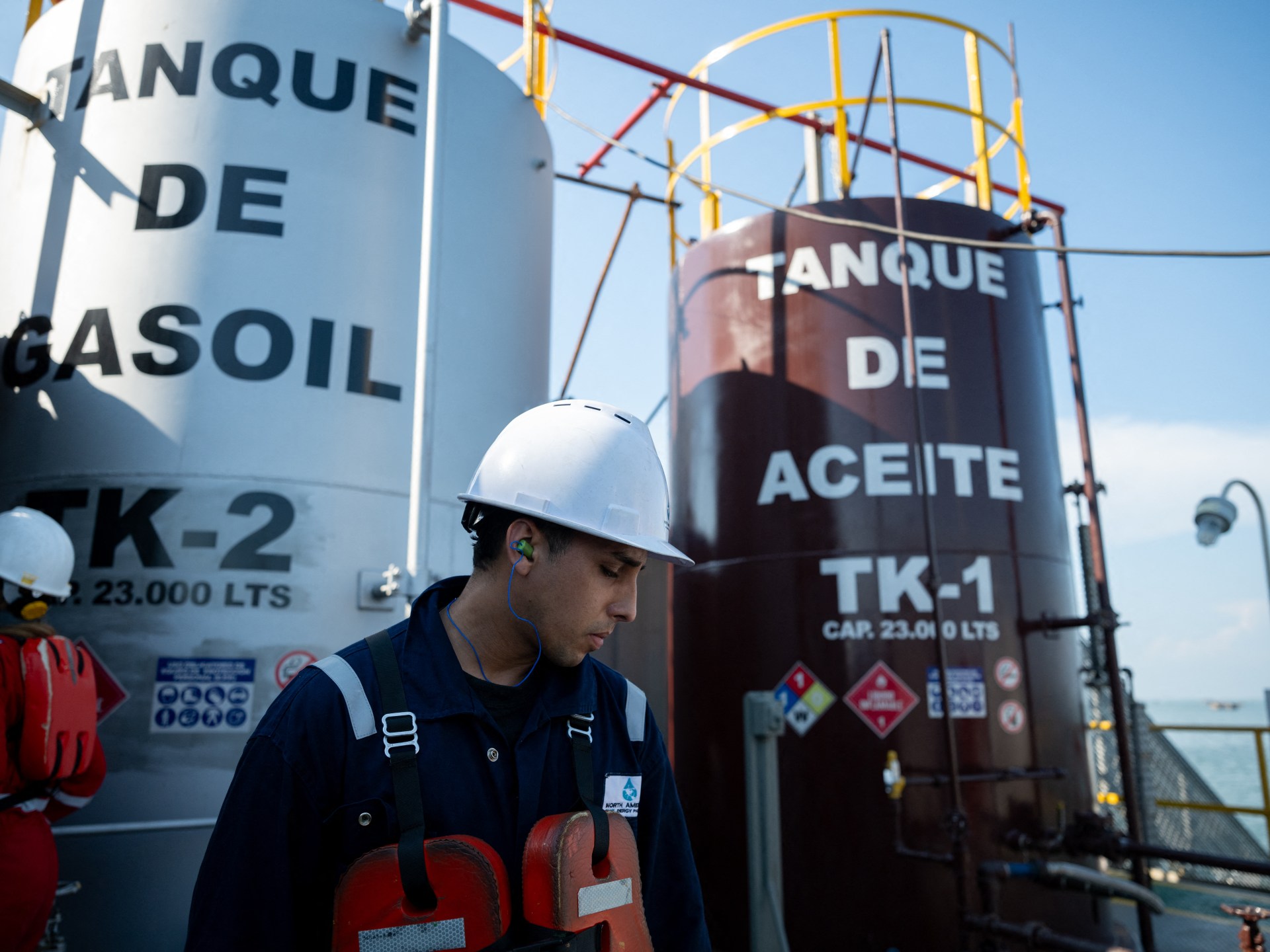
Following their takeover of Congress, Democrats have announced plans to investigate President Donald Trump's dealings with Venezuela over billions of dollars in oil revenues. Since January 3, the U.S. government has controlled Venezuela's oil exports, funneling the proceeds into an account managed exclusively by the U.S. Treasury. A recent State Department report disclosed that over $12 billion has passed through the account since the beginning of the year. However, critics contend that the report fails to provide crucial details regarding the origin and destination of the funds. Tyson Slocum, director of the energy program at Public Citizen, a U.S.-based consumer advocacy nonprofit, stated, "There's been zero transparency on all financial engineering associated with how $12 billion of Venezuelan oil was changing hands and being utilized."
Concerns about Trump's intentions for Venezuela's oil sector emerged late last year, as his government began seizing oil tankers leaving the South American country. The confiscated fuel was said to be compensation for losses incurred when Venezuela nationalized its oil industry decades ago. On January 3, Trump authorized a military operation to apprehend Venezuelan President Nicolas Maduro, with oil playing a significant role in his decision. However, legal experts have raised questions about the legality of seizing another country's natural resources and whether the operation violated international law.
Recent maneuvers have sparked speculation about the Trump administration's commitment to transparency in managing Venezuelan oil. In late August, it was announced that the U.S. would have a direct stake in extracting nearly a fifth of Venezuela's oil, with North American Blue Energy Partners (NABEP) given the rights to operate the fields. The Pentagon took a 35% stake in NABEP, and the U.S. was guaranteed 20% of the oil output at cost. However, Venezuelan opposition leader Maria Corina Machado has expressed concerns about the lack of transparency in the deal, while Luis A Pacheco, a former executive with Venezuela's state oil company, remains skeptical of Trump's intentions for Venezuela's economy.