Supreme Court Clears Way for Border Wall Construction in Big Bend National Park
In a significant development, the United States Supreme Court has given the green light to President Donald Trump's administration to construct a border wall within the Big Bend National Park in…
By Pulse World Media Desk
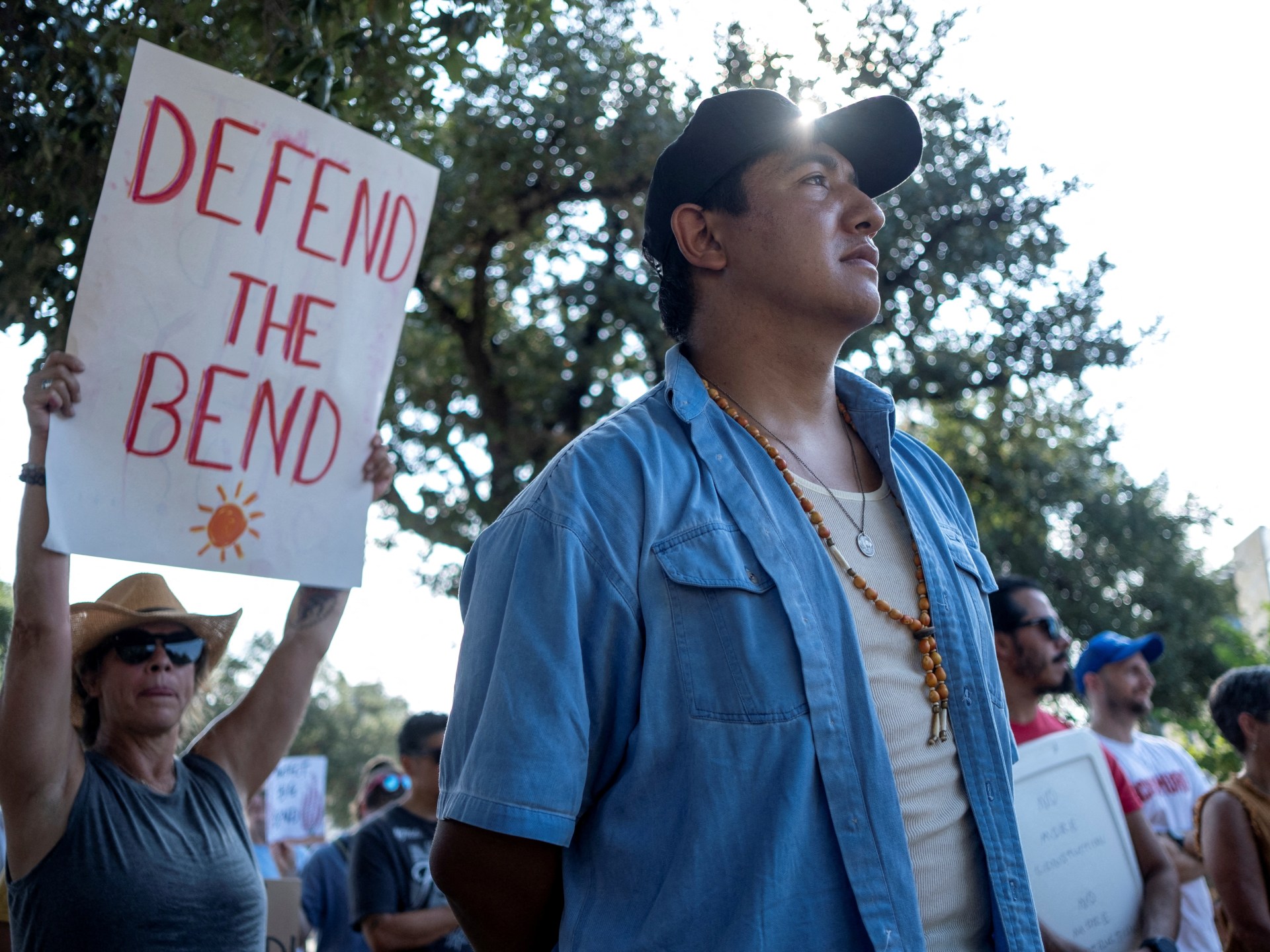
In a significant development, the United States Supreme Court has given the green light to President Donald Trump's administration to construct a border wall within the Big Bend National Park in West Texas. This ruling comes after the court granted an emergency request to lift an injunction imposed by a lower court that had delayed construction while the case was being litigated. The court stated that the injunction obstructed the government from pursuing its "compelling interests" in border security and integrity. The controversial border wall has been a central element of Trump's immigration policy since his 2016 presidential campaign, but its expansion through the popular national park has faced opposition from conservationists, local officials, and some members of Trump's own Republican Party. Big Bend National Park is home to endangered species like the Mexican long-nosed bat, and opponents argue that wall construction would disrupt this ecologically and culturally significant landscape. The Trump administration, on the other hand, views the project as a matter of national security and immigration control, asserting that the Big Bend area serves as an important conduit for illegal border crossings and drug trafficking. However, US District Judge Kathleen Cardone had previously blocked construction in October, contending that while the Big Bend sector constitutes more than 25% of the US-Mexico border, it accounts for only a small percentage of migrant apprehensions. The Supreme Court, however, found that the government was "extremely likely" to prevail on its argument that Cardone exceeded her jurisdiction under the 1996 Illegal Immigration Reform and Immigrant Responsibility Act, which restricts lower courts from ruling on border barriers. The lawsuit, brought by the Center for Biological Diversity, Friends of the Ruidosa Church, a local river guide, and landowner, challenged waivers employed by the agency to expedite border construction and circumvent environmental and conservation laws. Without these waivers, construction would have to adhere to laws such as the Endangered Species Act, the National Environmental Policy Act, and the National Historic Preservation Act to modify the landscape in one of the most remote and ecologically and culturally significant landscapes in the United States.
Filed underPolitics
More stories
PoliticsPoliticsPoliticsPoliticsPoliticsPolitics