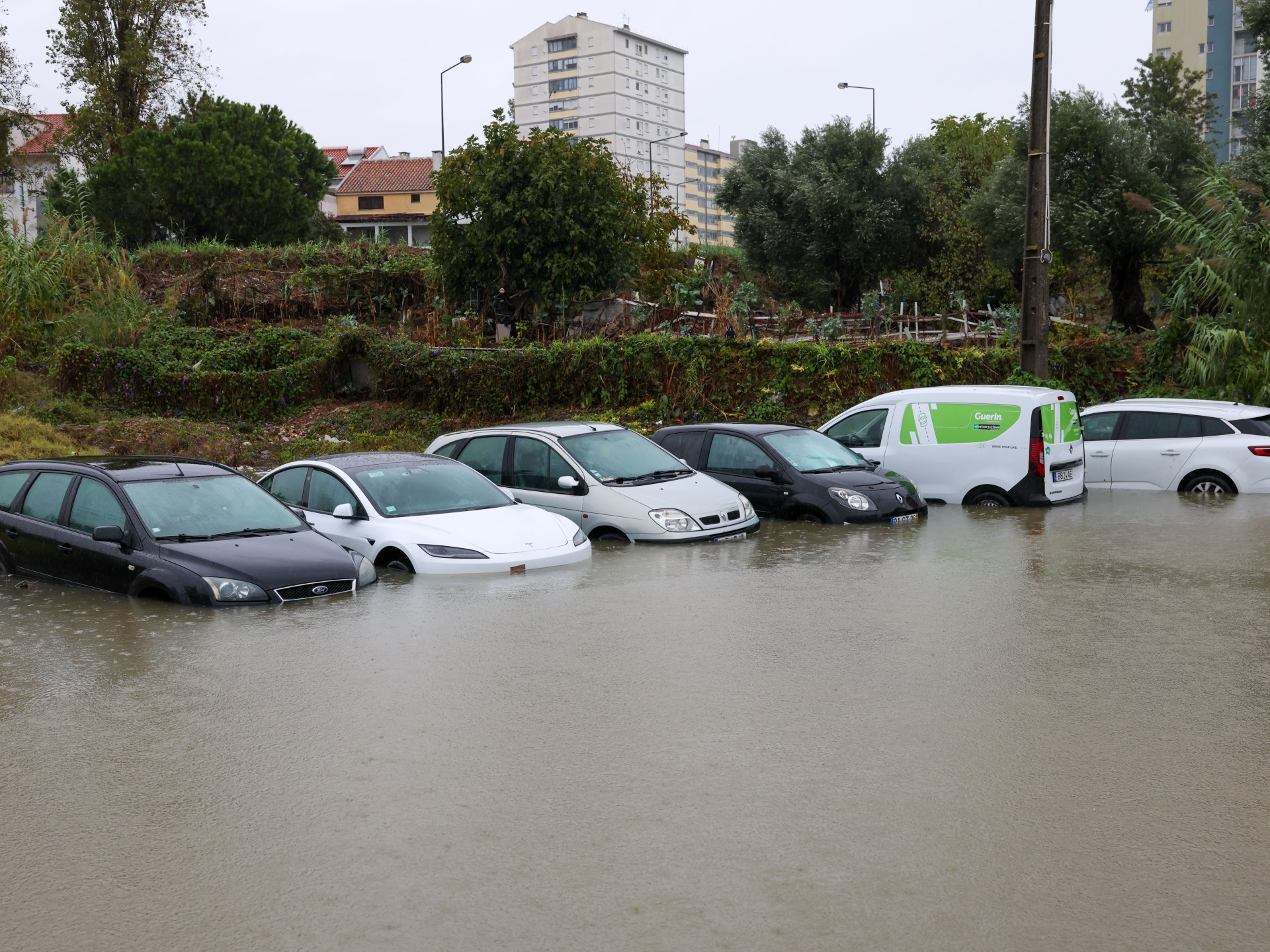
Authorities in Portugal took precautionary measures ahead of the Atlantic storm, cancelling over 300 flights and closing schools nationwide to minimize potential damage. The shutdown affected four international airports and hundreds of supermarkets, along with non-essential public services across the country. In a first for the nation, approximately 8,000 schools suspended classes due to the impending storm. As Storm Charles approached, streets emptied as residents heeded government warnings to stay at home. The national weather agency, IPMA, reported wind gusts of over 120km/h (75mph) in certain areas. Lisbon saw buses navigating flooded streets due to clogged drains, while a major supermarket chain and the Web Summit technology conference in the city cancelled events. By mid-afternoon, only the southern Algarve region remained on red alert, with the initial warning initially covering more than half of the country. The storm had previously struck Portugal's Madeira island, off northwest Africa, with winds of 130km/h (81mph) the previous day. In January, the government faced criticism for its response to Storm Kristin, which caused widespread property damage in central Portugal. In February, a man died in the southern region of Alentejo following flooding after Storm Leonardo. Prime Minister Luis Montenegro convened a crisis unit with eight government ministers and other officials to monitor the storm. Interior Minister Luis Neves defended the authorities' response, stating it was based on weather forecasts. Meanwhile, Spain prepared for the storm's arrival, as workers staged a general strike, with some demonstrations cancelled or postponed in certain southern cities.
PARAGRAPH 1:
The government of Portugal took decisive action in preparation for Storm Charles, cancelling over 300 flights and closing schools nationwide to mitigate potential damage from the Atlantic storm. The shutdown affected four international airports and hundreds of supermarkets, along with non-essential public services across the country. In a first for the nation, approximately 8,000 schools suspended classes due to the impending storm.
PARAGRAPH 2:
As Storm Charles approached Portugal's mainland, streets emptied as residents heeded government warnings to stay at home. The national weather agency, IPMA, reported wind gusts of over 120km/h (75mph) in certain areas. Lisbon saw buses navigating flooded streets due to clogged drains, while a major supermarket chain and the Web Summit technology conference in the city cancelled events. By mid-afternoon, only the southern Algarve region remained on red alert, with the initial warning initially covering more than half of the country.
PARAGRAPH 3:
In January, the government faced criticism for its response to Storm Kristin, which caused widespread property damage in central Portugal. In February, a man died in the southern region of Alentejo following flooding after Storm Leonardo. Prime Minister Luis Montenegro convened a crisis unit with eight government ministers and other officials to monitor the storm. Interior Minister Luis Neves defended the authorities' response, stating it was based on weather forecasts. Meanwhile, Spain prepared for the storm's arrival, as workers staged a general strike, with some demonstrations cancelled or postponed in certain southern cities.