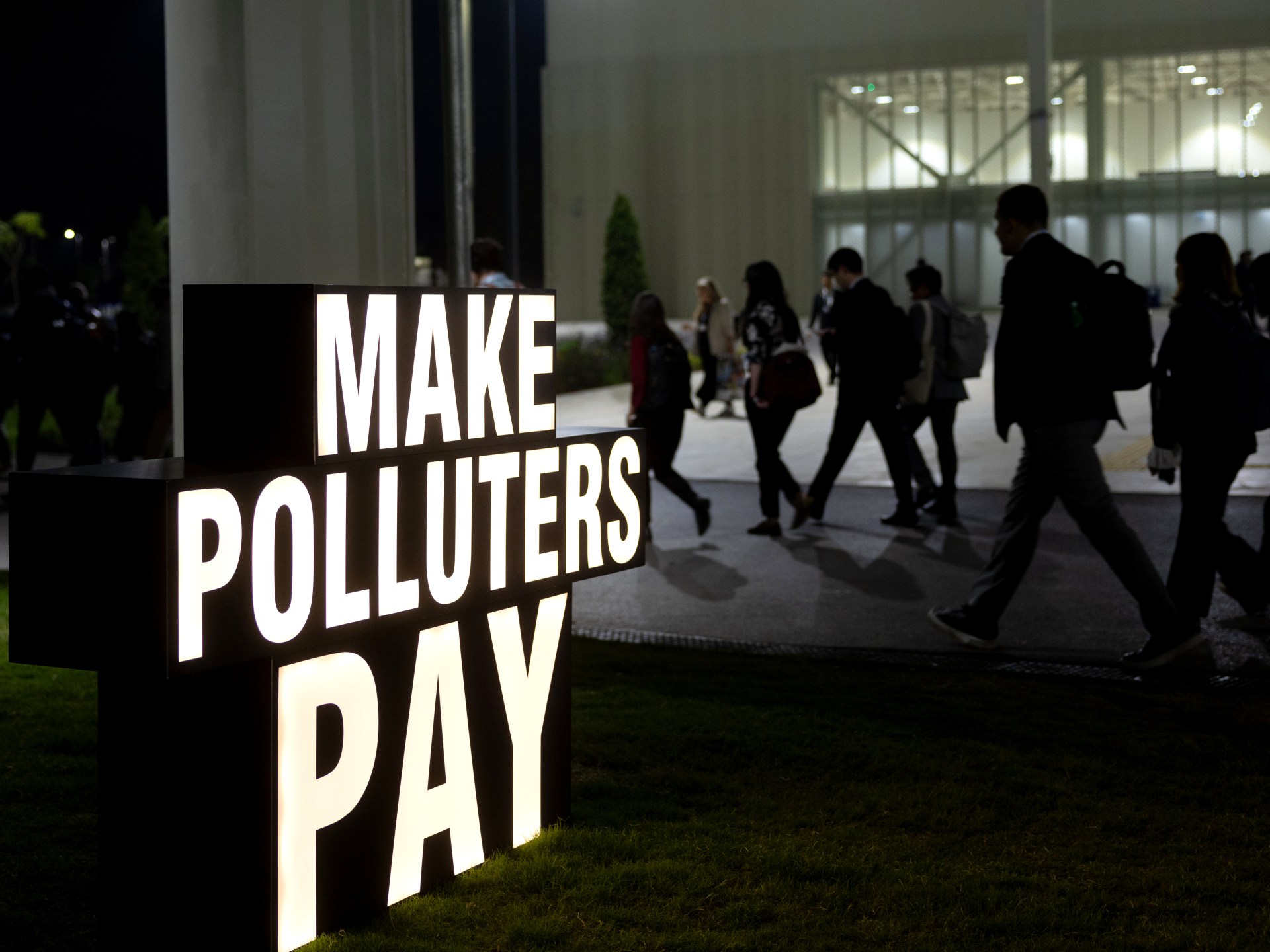
Tensions have escalated among delegates from various countries participating in the United Nations climate conference, COP31, currently underway in Turkiye. The dispute centers around a contentious 18-page draft decision published by summit cohost Australia on Monday, which includes calls for a phaseout of fossil fuels and a deadline for wealthy nations to achieve net zero emissions by 2030. This draft, if approved, could potentially cause deadlocks due to resistance from oil-rich countries like Saudi Arabia and India. The talks are scheduled to conclude on Friday, but given the consensus-based nature of climate negotiations, any single country has the power to block agreement. A major point of contention is the publication timeline for crucial reports by the Intergovernmental Panel on Climate Change (IPCC), with several European, African, and Pacific states pushing for their release before the next COP33 conference in 2028. The IPCC's last meeting was suspended due to an impasse, and a new session is set for December to resolve the issue. The Saudi Arabian delegation at COP31 has defended its stance on the publication timeline for the IPCC report, arguing for scientific review and transparency.
---
SUMMARY (continued):
The draft decision published by Australia includes several demands aimed at tackling climate change, including a phaseout of fossil fuels and accelerated action from developed countries to reduce emissions. However, these proposals have sparked disagreements among the participating nations, with some arguing that they are too ambitious or unrealistic for certain economies. The European Union's climate envoy, Wopke Hoekstra, has stated that the current draft "does not go in the right direction" and requires significant change to be viable. Meanwhile, Brazil's environment minister, Joao Paulo Capobianco, believes that the deadlock can be resolved through adjustments in the wording of the draft decision.
---
SUMMARY (continued):
The dispute over the IPCC report's publication timeline has also emerged as a key issue at COP31. Several European, African, and Pacific states have called for the report to be released before the next climate conference in 2028 to allow for a crucial verification of global carbon-cutting efforts. However, Saudi Arabia, along with other countries, has argued for a more deliberate approach that allows for sufficient scientific review and meaningful participation. The Intergovernmental Panel on Climate Change (IPCC) publishes reports every five to seven years to provide the definitive scientific assessment of global warming and inform policy responses to the crisis. The last meeting was suspended due to an impasse, with a new session scheduled for December to resolve the issue.