Indian Soil as a Political Stage: The Contentious Bangladesh-India Standoff
In a recent setback to diplomatic relations, Bangladesh has expressed displeasure over former Prime Minister Sheikh Hasina's public address from India, where she is in exile since her ouster in 2024.
By Pulse World Media Desk
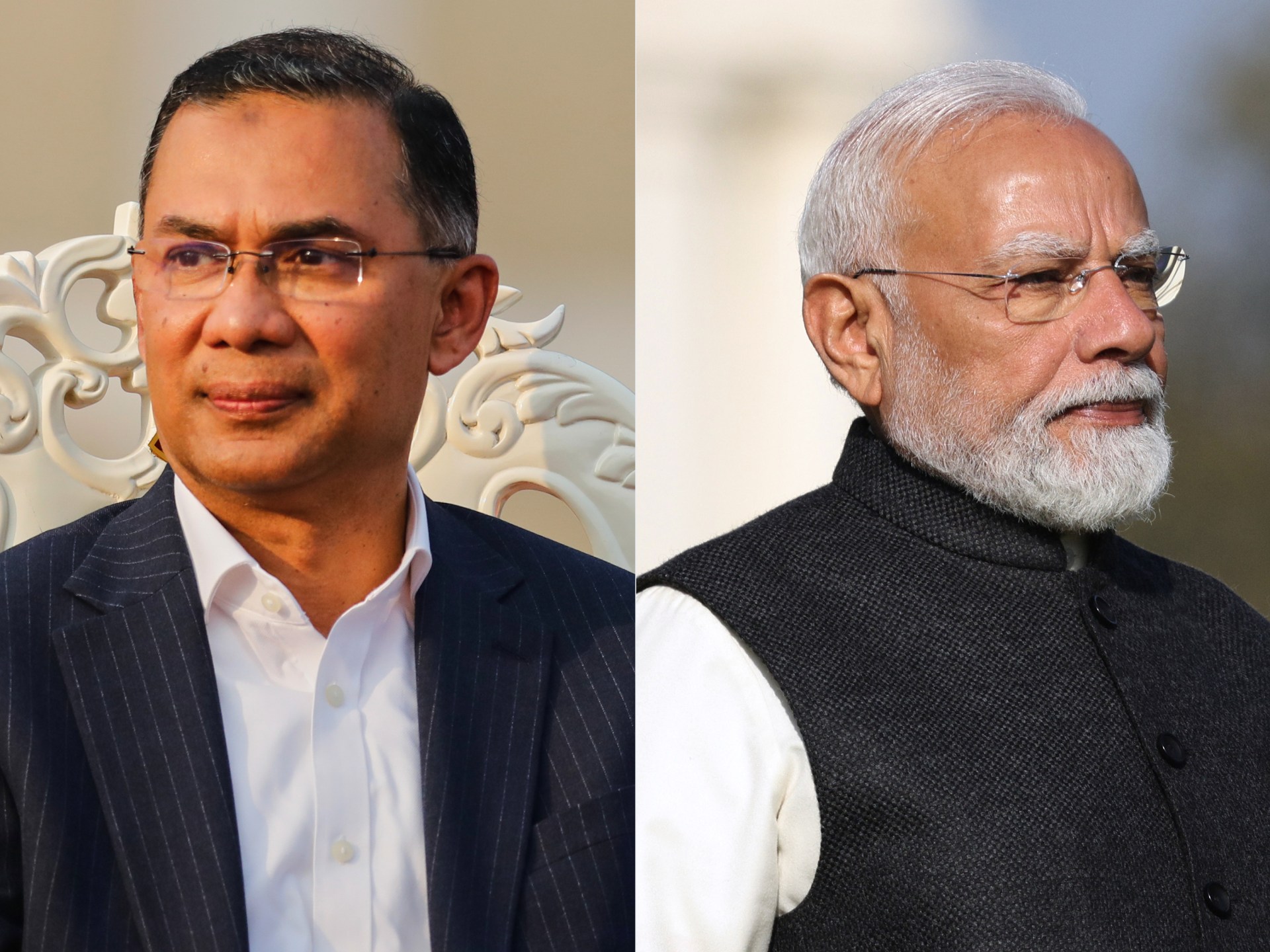
In a recent setback to diplomatic relations, Bangladesh has expressed displeasure over former Prime Minister Sheikh Hasina's public address from India, where she is in exile since her ouster in 2024. The speech, delivered at a news conference in New Delhi on August 5, was criticized by the current Bangladeshi administration as an attempt to interfere in domestic politics. The proposed visit of Bangladesh's Prime Minister Tarique Rahman to India, planned for the first time since he took office earlier this year, has now been put on hold due to this issue. While India maintains that extradition requests involving Hasina and other fugitives remain under examination, analysts suggest that the impasse is not solely about extradition but also about India's permission for Hasina to engage in political activities from its soil. This concern predates the current government under Rahman's Bangladesh Nationalist Party, with previous requests made by Nobel laureate Muhammad Yunus and other officials to prevent Hasina from making inflammatory statements from Indian territory. The Bangladeshi government has emphasized the need for a "good and working relationship" with India based on trust and mutual respect but has also expressed concerns about destabilization of their country by political activities originating from India. As talks over Rahman's visit continue, both nations are navigating a delicate balance between diplomatic relations and domestic politics.
Filed underPolitics
More stories
PoliticsPoliticsPoliticsPoliticsPoliticsPolitics