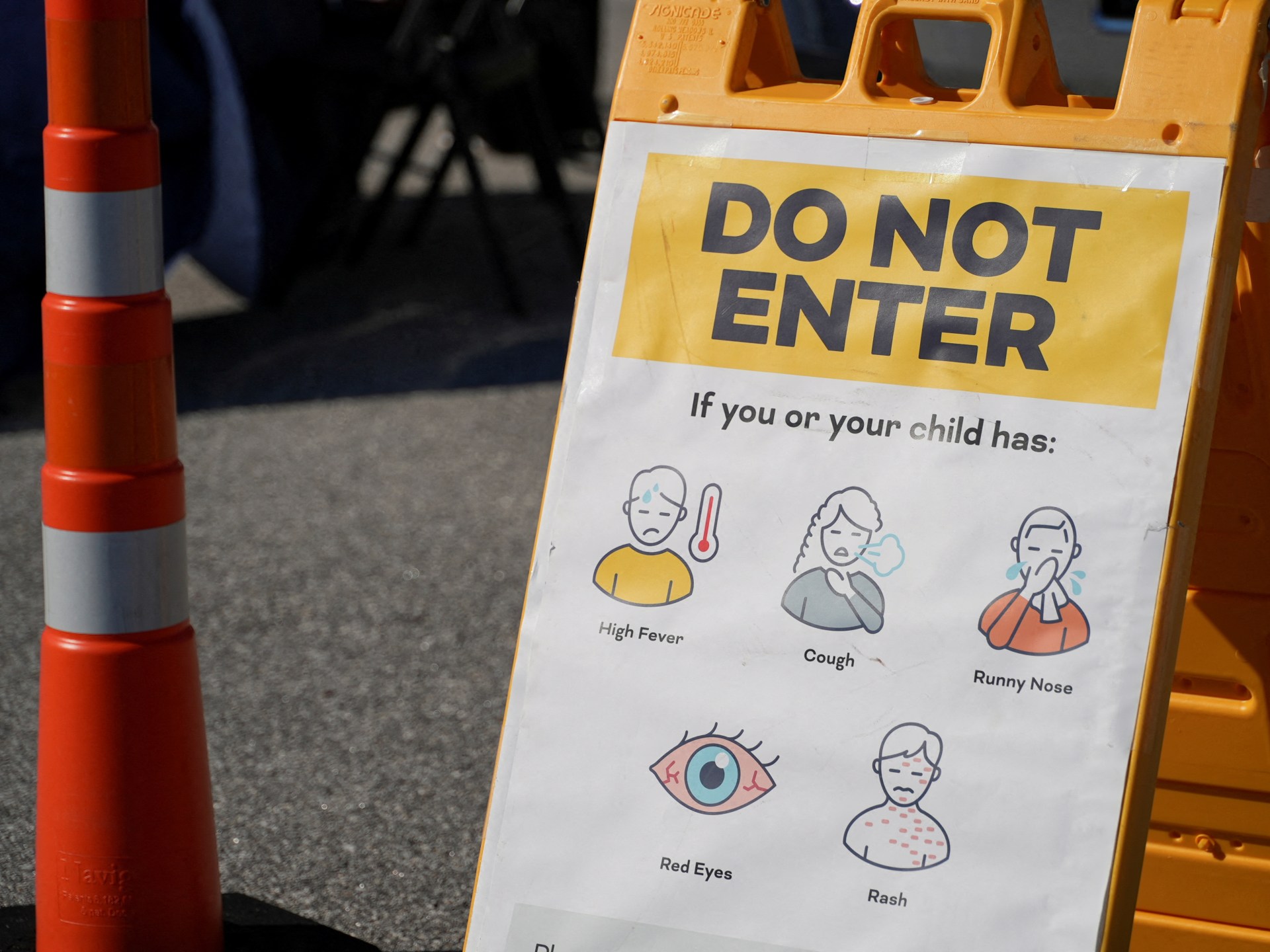
The Pan American Health Organization (PAHO) has announced that the United States has officially lost its measles elimination status, marking a significant reversal in public health achievements maintained for 26 years. This decision comes after determining that the same strain of the virus has been circulating continuously in the country for at least 12 months. Measles was declared eliminated in the US in 2000. The loss of status is attributed to growing vaccine hesitancy and a decrease in vaccination rates among preschoolers, falling below the level required to prevent major outbreaks. The CDC, in response, has provided additional funding to state and local health departments to strengthen vaccination efforts, surveillance, and outbreak response. Despite this setback, experts view it as an opportunity for public health officials to reassess strategies and learn from other countries. The WHO estimates that measles caused 95,000 deaths worldwide in 2024, mostly among children, highlighting the importance of maintaining effective vaccination programs.
In a joint statement issued on Tuesday, the CDC reaffirmed its commitment to stopping measles outbreaks and regaining the country’s elimination status. However, tensions between federal and state health authorities have arisen over how measles deaths are classified and counted, with discrepancies reported in the number of deaths attributed to the disease. The loss of status is seen as a "stain" on the country’s public health program by some experts, who believe that the US should look to other countries for expertise in controlling measles outbreaks.
Furthermore, about 40 percent of current US measles cases are among adults older than 20, highlighting the need to expand vaccination efforts beyond pediatricians and family doctors. This will require making vaccines available in workplaces, places of worship, and other community settings. The loss of elimination status serves as a wake-up call for public health officials, reminding them that maintaining effective vaccination programs is crucial to preventing the resurgence of highly infectious diseases like measles.