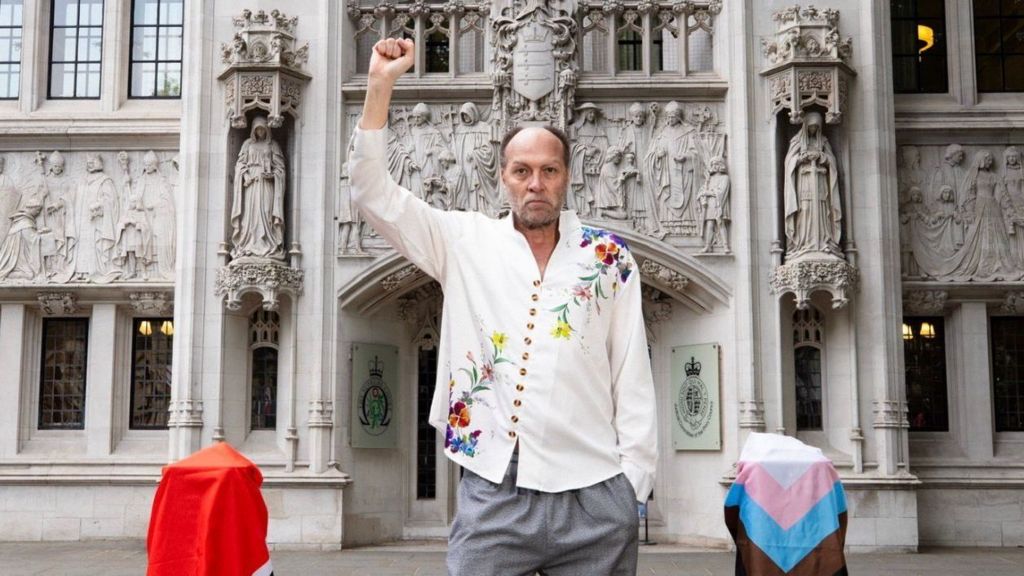
In a landmark ruling, London's Judicial Committee of the Privy Council (JCPC) has declared unconstitutional laws criminalizing same-sex intimacy in Trinidad and Tobago. The decision brings an end to an 11-year legal battle led by dual-citizen Jason Jones, a 62-year-old human rights advocate. The court ruled that the laws violate the "fundamental individual right to respect for private and family life," marking the first time the JCPC has decided on a case to decriminalize same-sex intimacy. Previously, Trinidad and Tobago was among 34 Commonwealth countries still enforcing colonial-era British laws that criminalize homosexuality, with penalties including imprisonment and in some cases, the death penalty. The Attorney General of Trinidad and Tobago argued that these laws were protected by "savings law clauses," which carried over existing British laws into newly independent states. However, Jones' legal team contended that the laws violated an individual's right to privacy and that changes made to the laws in 1986, introducing stricter punishments, invalidated the savings clause protections. The unanimous judgment of the judicial committee concluded that the laws were not reasonably justifiable in a society respecting individuals' rights and freedoms. Jones expressed hope that this decision would "accelerate the fight for full equality" and declared that it signifies an end to a message that LGBTQ+ people were criminals in their own country. Anand Ramlogan SC, representing Jones, described the judgment as a "landmark victory for gay rights, equal dignity, and respect for private and family life in Trinidad and Tobago."
-------------------
SUMMARY (CONTINUED):
The decision to overturn the anti-homosexuality laws comes at a time when many countries are reevaluating their attitudes towards LGBTQ+ rights. Campaigners hope this ruling will inspire similar successful legal challenges in other Commonwealth nations, potentially sparking broader changes in legislation across the region. The court's decision is particularly significant as it marks a shift away from colonial-era laws that have long been criticized for perpetuating discrimination against marginalized communities. As Jones stated, these laws never reflected Trinidad and Tobago's diverse, multiracial, and secular identity, and their repeal represents a step towards greater inclusivity and equality for all citizens.
-------------------
SUMMARY (CONTINUED):
The ruling is expected to have far-reaching implications for the LGBTQ+ community in Trinidad and Tobago. Not only does it remove the threat of criminal charges, but it also sends a powerful message that the government recognizes the rights and dignity of its citizens regardless of their sexual orientation or gender identity. As Jason Jones said, "These laws never reflected who we are as a people and a nation - diverse, multiracial, and secular." Moving forward, advocates hope this decision will pave the way for further reforms aimed at ensuring full equality for LGBTQ+ individuals in Trinidad and Tobago. The country now joins a growing list of nations that have repealed similar laws and embraced a more inclusive, modern approach to human rights.