Canada Counters U.S. Trade Threats with Retaliatory Tariffs and Targeted Measures
In a significant escalation of the ongoing trade dispute, Canada is set to announce retaliatory tariffs against the United States on Tuesday.
By Pulse World Media Desk
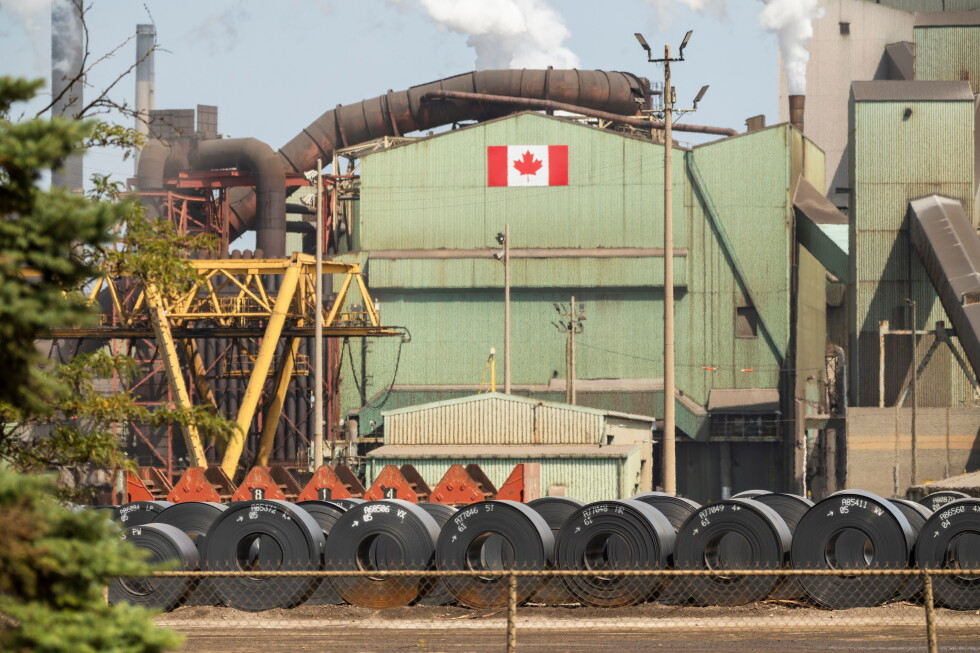
In a significant escalation of the ongoing trade dispute, Canada is set to announce retaliatory tariffs against the United States on Tuesday. The move comes in response to President Donald Trump's threats of new 50% tariffs on Canadian vehicles, auto parts, and steel, and his demand for Canadian leaders to "fall in line." Prime Minister Mark Carney has accused Washington of attempting to subordinate Canada and stated that U.S. trade demands aim to "destroy our major industries," including autos, steel, and aluminum. Finance Minister François-Philippe Champagne and three other Cabinet ministers are expected to provide details of supports for workers affected by tariffs on Tuesday morning. In a stark departure from previous tactics, Canada may move away from matching U.S. tariffs dollar for dollar and instead opt for more targeted retaliation aimed at protecting Canadian workers and businesses. The tense exchange between the two nations highlights a deterioration in relations since trade negotiations with the Trump administration broke down late Friday, leading to the threat of 50% tariffs on about $20 billion worth of Canadian goods the following day. The deep integration of supply chains across autos, energy, agriculture, and manufacturing make a prolonged trade fight potentially costly for businesses and workers on both sides of the border. Canada's Finance Minister has cast doubt on the U.S.'s dependability, stating that the country is finding reliable partners "everywhere in the world, except in the United States." On Monday, Trump threatened further tariffs, warning of impacts on Canada's auto industry beginning next year. The escalating trade tensions have sparked a fiery response from Canadian officials and politicians, with Ontario Premier Doug Ford vowing to stand firm against U.S. pressure and threatening potential retaliatory measures, including cutting off electricity and critical minerals from Ontario. Ford has accused Trump of seeking not just a better trade deal but aiming to hollow out Canadian industries and move production south. The trade dispute underscores a growing political unity in Canada over the need to stand up to Trump's aggressive trade tactics.
Filed underBusiness
More stories
BusinessBusinessBusinessBusinessBusinessBusiness