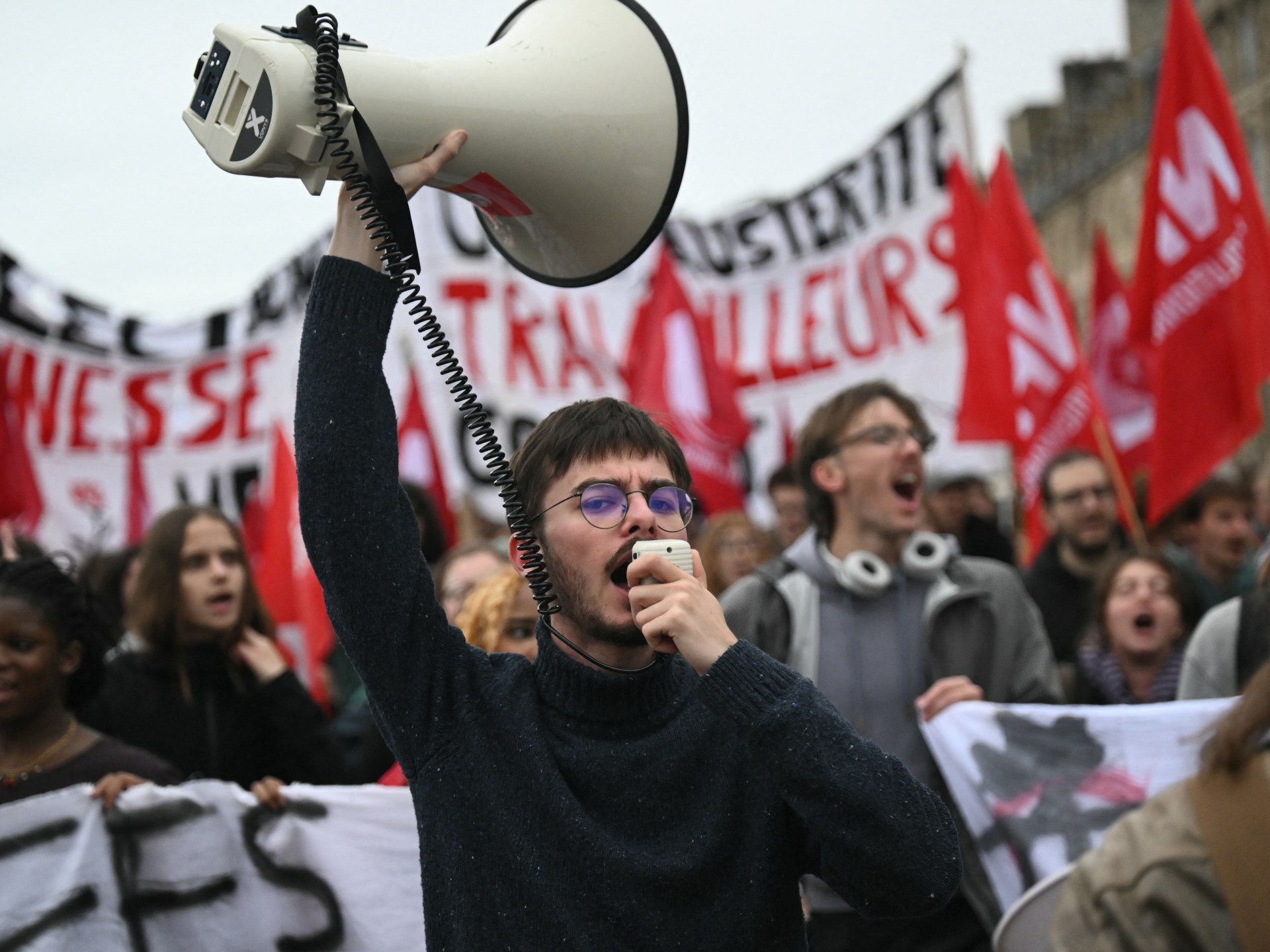
In a show of discontent against the high cost of living and demand for pay increases, over 100,000 people marched across France on Tuesday. The Interior Ministry reported a total participation of 146,000 protesters nationwide, with 28,000 in Paris alone. According to the CGT trade union, the demonstrations swelled to over half a million participants. The protests were instigated by France's public sector employees, joined by school pupils and university students, who feel their purchasing power has been eroded by 16 percent since 2017 due to inflation.
The unrest was sparked after negotiations between Prime Minister Sebastien Lecornu and union representatives on Friday failed to meet the demands for wage increases. Union leaders criticized the proposed measures, claiming they did not address the urgency of the pay situation. This is the third major day of action and strikes in the public sector since September, with unions advocating for across-the-board pay rises following a recent boost to the minimum wage for private-sector workers.
The French government, facing financial constraints due to ballooning debt and working on a budget with cost-cutting measures, has yet to commit to a general pay rise for public sector employees in its draft budget for the fourth consecutive year. Protesters argue that the government's proposed additional $30 per month on the minimum wage is insufficient given current inflation rates. Despite the government's attempts to ease tensions, demonstrations have persisted for over a month, with the movement initially sparked by student-led protests demanding better educational conditions but expanding to cover issues such as high fuel prices, wages, and social housing. Similar strikes advocating for higher wages, lower living costs, and improved public services have also spread across Europe.
*Attribution: According to reports from the French Interior Ministry.*