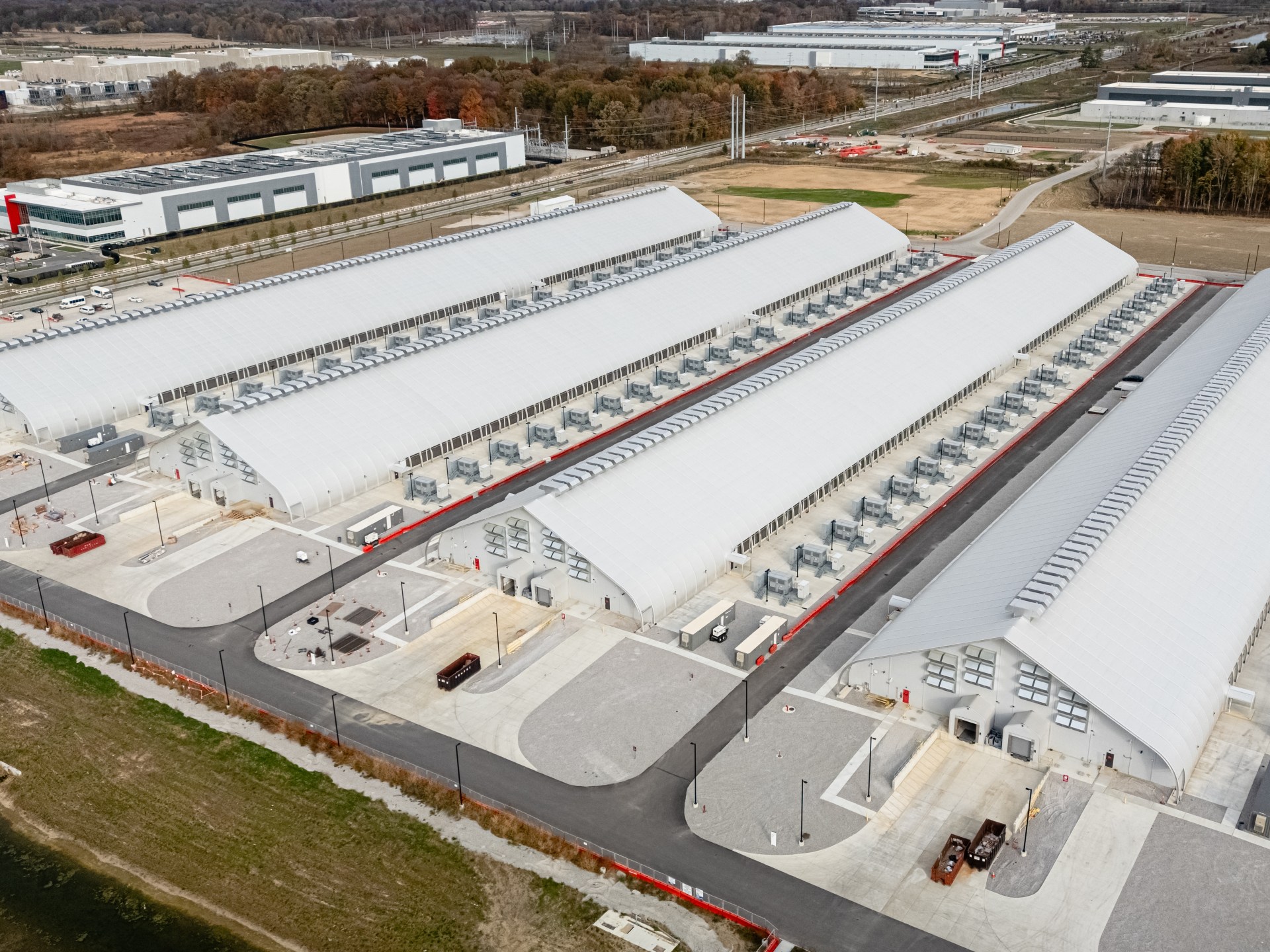
The United States Senate has taken a significant step forward in passing a bipartisan bill aimed at expediting the construction of new energy infrastructure and data centers across the nation. The vote, held on Monday, saw nearly all Republican senators and over a dozen Democrats approve the Bipartisan American Affordability and Jobs Act. President Donald Trump has expressed support for the legislation, claiming it is essential to meet the growing demand for electricity in the country.
The bill seeks to streamline the permitting process for major energy projects, both clean and fossil fuel-based, across the US. It also includes provisions that reduce environmental review deadlines and impose restrictions on legal challenges to these projects. Furthermore, it mandates that owners of energy-intensive data centers pay for the necessary infrastructure to power them, a move aimed at addressing growing concerns about rising electricity bills due to these facilities' use in powering artificial intelligence.
While the bill promises savings on residential electricity bills and an increase in clean energy projects, environmental organizations have expressed opposition. They argue that the legislation could potentially lock in fossil fuel development, weaken environmental laws, and make it harder for US residents to challenge projects within their communities. These concerns are shared by a coalition of national groups, including the Climate Justice Alliance, Indigenous Environmental Network, and Western Environmental Law Center, who issued a joint statement opposing the bill earlier this year.
The final passage of the bill may be complicated by the recent Democratic takeover of the US Congress. Some members within the party argue that the legislation should be delayed until new Democratic majorities in the House and Senate are sworn in early next year. Critics, such as House Minority Leader Hakeem Jeffries, have questioned the bill's effectiveness and called for more constructive involvement from the Democratic Caucus as they strive to make life more affordable for American citizens.