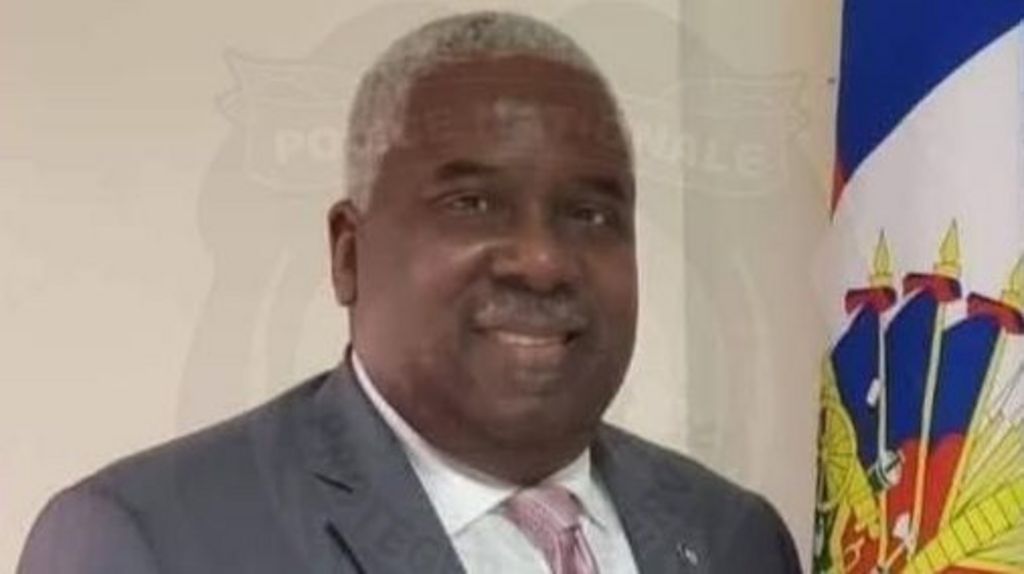
A Florida pastor, Christian Emmanuel Sanon, has been found guilty of charges related to his involvement in the assassination of Haitian President Jovenel Moïse. The 67-year-old dual US-Haitian national was convicted on all eight counts, including conspiracy to kill or kidnap a person. He faces a potential life sentence. The murder of Moïse, which occurred in July 2021, has left Haiti without a leader for five years and intensified gang violence in the impoverished Caribbean nation. Sanon was accused of being part of a plot to replace Moïse as president with himself, aiming to award lucrative contracts to a Florida-based security company once in power. His lawyer has stated that he maintains his innocence and intends to appeal the verdict. According to prosecutors, Sanon had "political aspirations" in Haiti and, along with several other co-conspirators, met in April 2021 to devise a plan to oust Moïse through an armed raid on the presidential palace in Port-au-Prince. The heads of two Florida-based companies - Counter Terrorist Unit Federal Academy and Counter Terrorist Unit Security - were also involved, offering financing for the coup in exchange for government contracts for infrastructure projects and security forces. However, when it was discovered that Sanon lacked the constitutional qualifications and popular support to become Haiti's president, the plot shifted to another candidate. The assassination of Moïse raised questions about the ease with which mercenaries were able to gain access to the president. The country has been plagued by gang violence for years, but Moïse's assassination ushered in a period of worsening instability that emboldened gangs and led to the deployment of a multinational force. However, this force has struggled to penetrate areas controlled by gangs, resulting in more than 5,700 deaths or injuries from July 2021 to September 2022, according to the UN. Sanon and several other co-conspirators were arrested by Haitian authorities, while three mercenaries were killed in a gun battle with police. Eighteen people were transferred to Florida in September to stand trial over the plot. Four men, including the heads of the CTU, were convicted of their role earlier this year.
SUMMARY (Continued):
Sanon was born in Haiti but moved to the US as a teenager. He told the court that he had worked in churches within Haitian immigrant communities in several parts of the US, including Florida. The successful assassination plot has led to questions about the ease with which the mercenaries were able to gain access to the president and the role of foreign actors in Haiti's political instability. Moïse's wife, Martine, who was injured in the attack that killed her husband, announced this week that she intends to stand in next year's presidential election. The trial against Sanon and others is expected to shed more light on the complex web of conspiracies surrounding Moïse's assassination and its aftermath.
SUMMARY (Continued):
The verdict against Christian Emmanuel Sanon marks a significant step in holding those responsible for Jovenel Moïse's assassination accountable. However, the trial's outcome will have far-reaching implications for Haiti's political landscape and ongoing struggle with gang violence. The case also raises questions about the role of foreign actors in Haitian politics and the need for increased security measures to protect the country's leaders. As the trial against Sanon and others continues, it is hoped that justice will be served and Haiti can begin to heal from this tragic event.