Turkiye Champions Electrification as Key to Global Climate Progress at COP31 Conference
The United Nations climate conference, COP31, is set to commence on Monday in Antalya, Turkiye, amidst geopolitical tensions surrounding the US-led war on Iran.
By Pulse World Media Desk
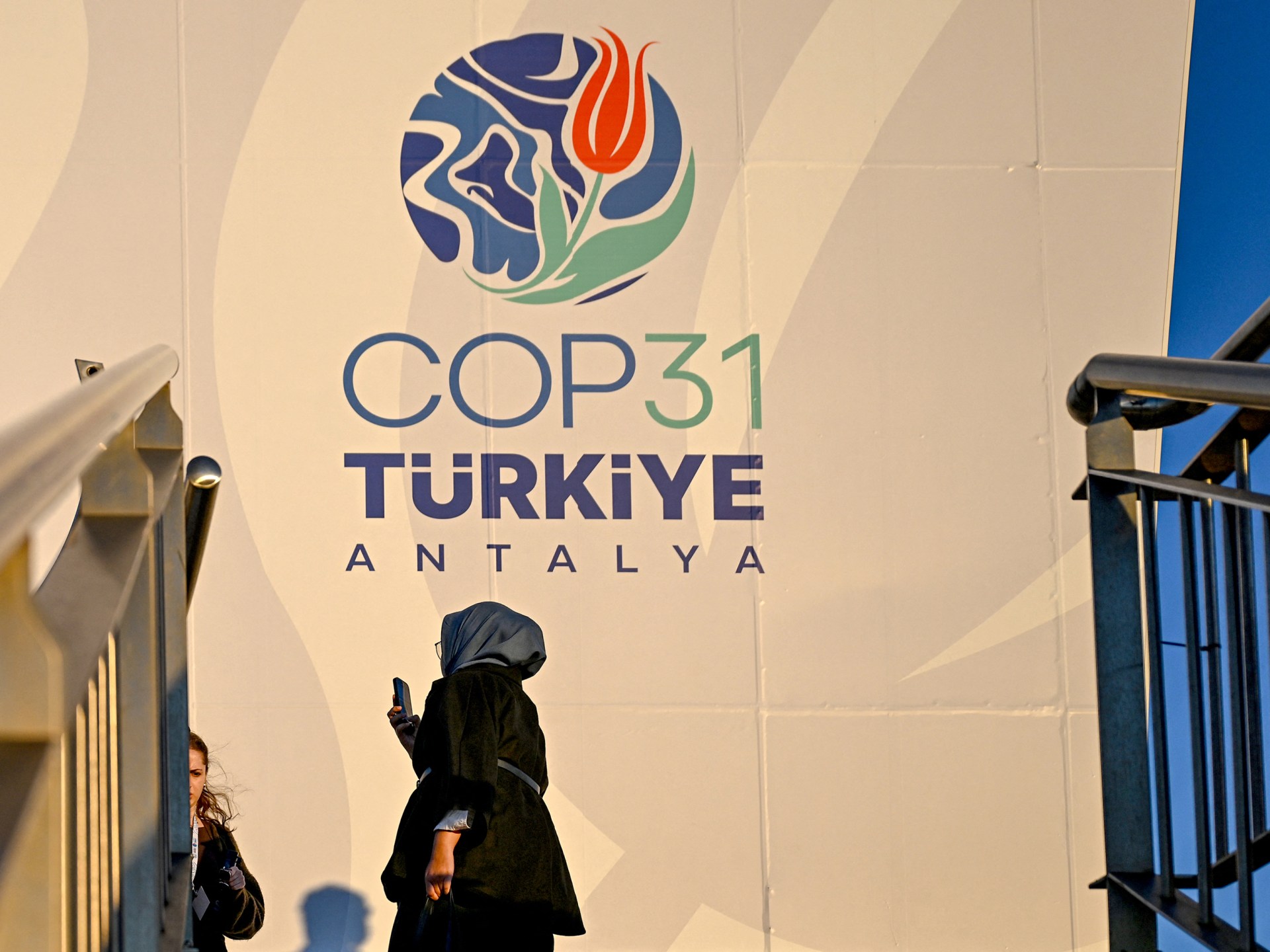
The United Nations climate conference, COP31, is set to commence on Monday in Antalya, Turkiye, amidst geopolitical tensions surrounding the US-led war on Iran. Notwithstanding these challenges, Turkiye has placed electrification at the forefront of the COP31 agenda, unveiling the non-binding 35-by-35 Global Electrification Pledge. This initiative aims to increase electricity's share in global energy demand to a minimum of 35% by 2035. Currently, electricity accounts for approximately one-fifth of global total final energy consumption, according to the International Energy Agency. Turkiye posits that this pledge will expedite the transition towards renewable energy sources while bolstering energy security. The COP31 president and Turkiye's environment minister, Murat Kurum, emphasized that the recent energy crisis has underscored the importance of controlling one's energy resources. He asserted, "Electrification is the answer. It protects communities from volatile global markets and reduces emissions." The conference will focus on areas such as zero waste, methane reduction, climate-resilient cities, green industrialization, education, and implementation of national climate plans. However, some climate advocates contend that the pledge does not guarantee that additional electricity will come from low-carbon sources, sparking a debate about whether electrification alone constitutes climate progress. A coalition of countries, including vulnerable South Pacific island nations, is advocating for a more definitive global roadmap away from fossil fuels. Meanwhile, oil and gas producing nations like Saudi Arabia argue that these resources can form a substantial part of the global energy mix if coupled with emission-reducing technologies. The US-Israel war on Iran has disrupted oil shipments through the Strait of Hormuz, causing fuel prices to soar globally and prompting governments to seek alternative sources. In response, US President Donald Trump has advocated for policies promoting oil, gas, and coal production to mitigate Middle East disruptions. Concurrently, the deployment of renewable energy has risen, propelled by surging exports of inexpensive clean technology from China.
Filed underWorld
More stories
WorldWorldWorldWorldWorldWorld