Severe Smog Engulfs New Delhi Amidst Diwali Fireworks, Pose Health Risks for Millions
The Indian capital, New Delhi, has been enveloped in a thick blanket of smog following the use of firecrackers during Diwali celebrations, exacerbating the city's seasonal pollution crisis.
By Pulse World Media Desk
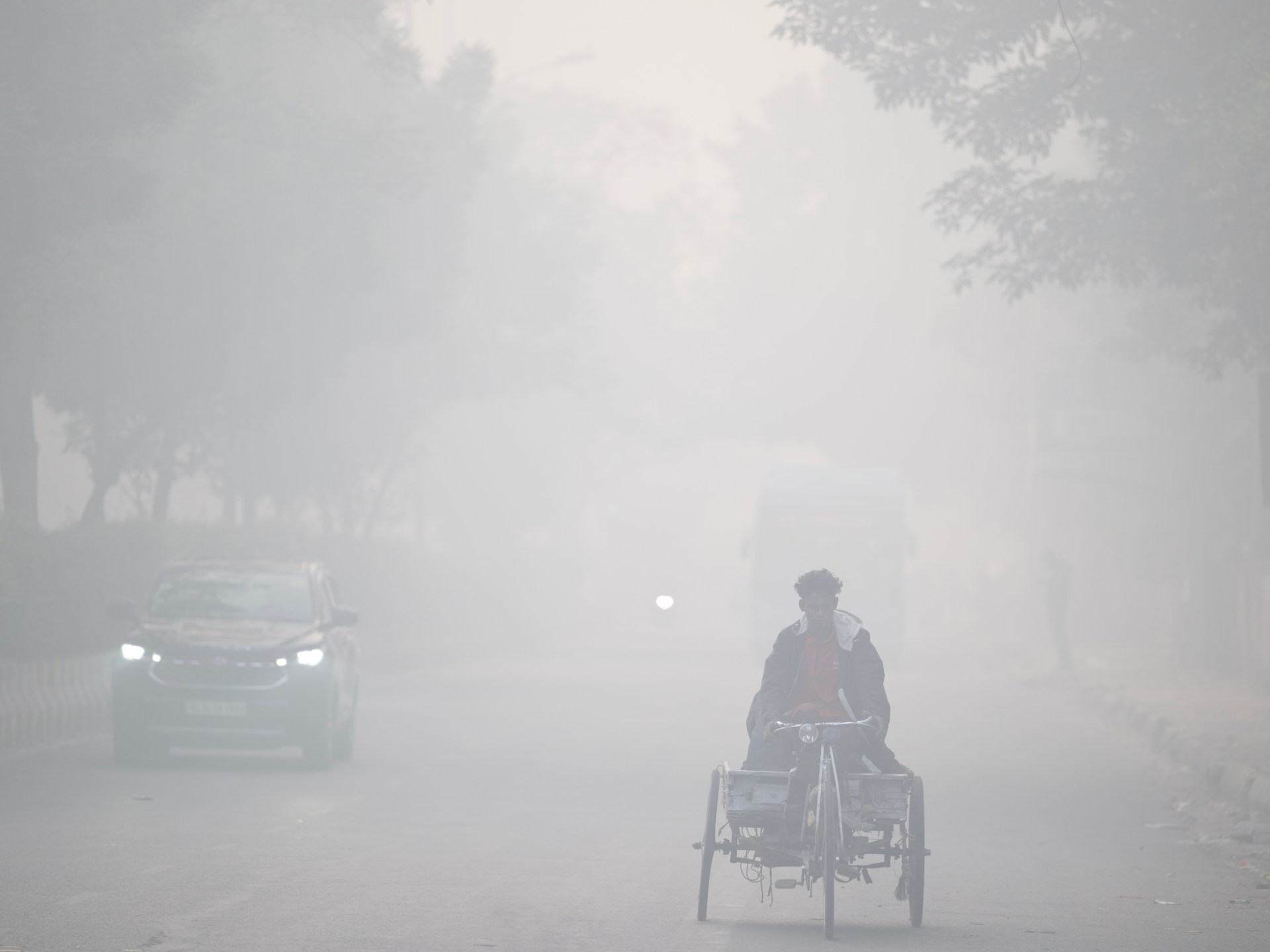
The Indian capital, New Delhi, has been enveloped in a thick blanket of smog following the use of firecrackers during Diwali celebrations, exacerbating the city's seasonal pollution crisis. This Hindu festival of lights was marked across India on Sunday, despite restrictions on fireworks in the capital. Despite measures to limit pollution by allowing only 'green firecrackers' under certain conditions for three-hour windows on Saturday and Sunday, the air quality index exceeded 350 in several areas of New Delhi on Monday morning, categorized as "severe" by the World Health Organization (WHO), posing significant health risks. The Supreme Court had implemented restrictions last month to mitigate Diwali pollution, but toxic air pollution levels in New Delhi soared more than 30 times above the WHO's recommended daily limit a few days before the festival. With a population of over 30 million, New Delhi consistently ranks among the world's most polluted capital cities. The situation worsens during winter due to cooler temperatures, low wind speeds, and stagnant atmospheric conditions that prevent pollutants from dissipating. Vehicles contribute 23% of New Delhi's winter pollution, while biomass burning, including farm stubble fires, accounts for 20%. The persistent haze resulting from these factors can linger over the capital and its surrounding areas for several days.
Filed underScience & Health
More stories
Science & HealthScience & HealthScience & HealthScience & HealthScience & HealthScience & Health