Maritime Casualties Mount as Strait of Hormuz Becomes a Perilous Passage
The ongoing US-Israeli conflict with Iran has left at least 25 seafarers dead, many of whom were Indian nationals, since February 28.
By Pulse World Media Desk
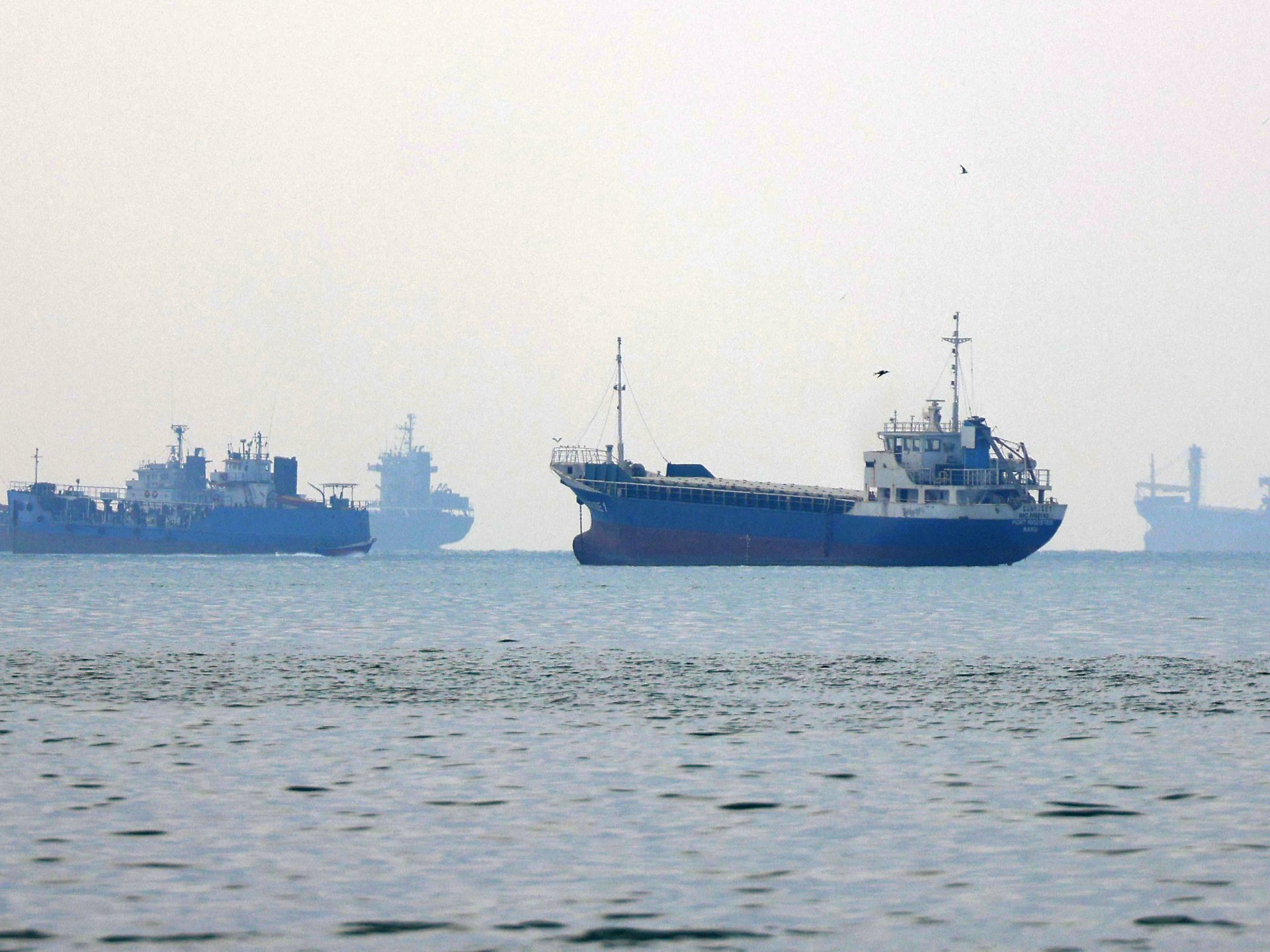
The ongoing US-Israeli conflict with Iran has left at least 25 seafarers dead, many of whom were Indian nationals, since February 28. Commercial vessels traversing the Strait of Hormuz and surrounding waters have been subjected to repeated attacks over the past nine months, turning one of the world's busiest shipping corridors into a hazardous route for oil, gas, and other cargo transportation. On Sunday, Iran's Islamic Revolutionary Guard Corps reported explosions and severe fires on three "rogue" oil tankers navigating an unauthorized path in the strait. The International Maritime Organization (IMO) has voiced concerns about the safety of civilian crews, their ability to refuse dangerous assignments, and the legal protections afforded to them during this volatile situation. The Strait of Hormuz is a vital passageway for international shipping, with approximately one-fifth of global oil consumption passing through it before the war. Iran has essentially closed the strait following the US-Israeli attacks, threatening vessels without authorization. Washington has imposed a naval blockade on Iranian ports, and attacks on shipping have involved missiles, projectiles, and naval mines that have caused damage, fires, or sunken vessels. According to the IMO, at least 129 incidents have been reported since the conflict started. The latest incidents occurred in October, which was particularly dangerous for commercial shipping, with at least 31 vessels hit. The victims are primarily civilian merchant sailors working on oil tankers, cargo ships, and other commercial vessels. Beyond the threat of death or injury, the war has also negatively impacted sailors' mental health, according to the International Chamber of Shipping (ICS). Over 6,000 seafarers were stranded near the Strait of Hormuz in October, with some refusing entry into designated danger zones and receiving company-funded repatriation and compensation under an agreement negotiated between maritime unions and shipping companies. However, not all seafarers are covered by these protections, and those in the Gulf continue to face grave mental suffering, according to maritime charities. The ICS strongly urges ships operating in the region to conduct thorough risk assessments and maintain vigilance in line with the latest best management practices (BMP) maritime security guidelines.
Filed underWorld
More stories
WorldWorldWorldWorldWorldWorld