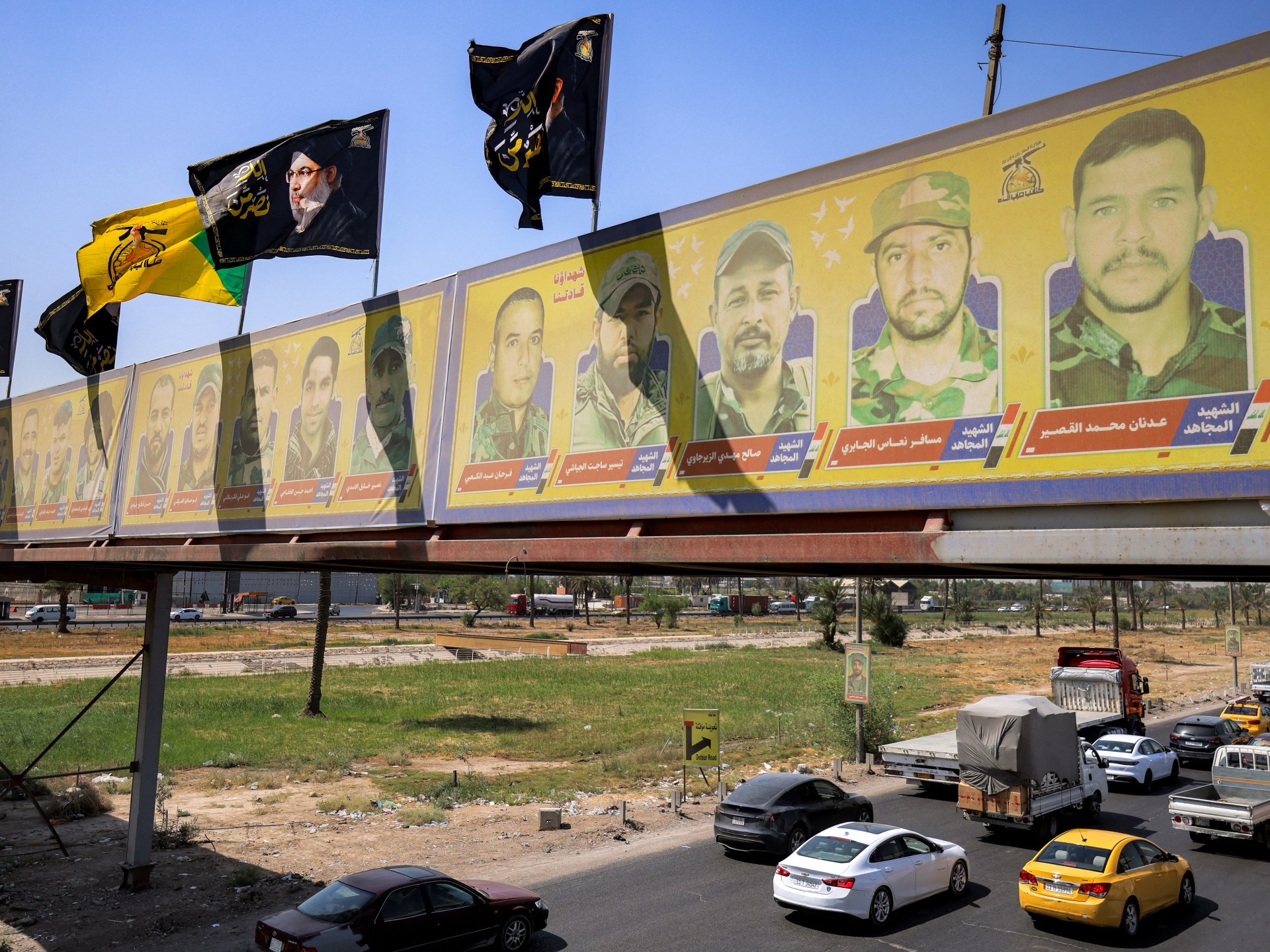
Iraq has ordered its military forces to enter the stronghold of the Iran-backed Kataib Hezbollah group, located in Jurf al-Nasr, following allegations of oil smuggling and a subsequent investigation. Prime Minister Ali al-Zaidi has set a deadline for the armed faction to vacate the area, citing the need to uphold public funds and counter US pressure to curb Tehran’s influence in Iraq. The order comes as part of a sweeping anticorruption crackdown, with nine senior officials already dismissed and referred to court for alleged corruption. Kataib Hezbollah, one of several pro-Iranian armed groups in Iraq, denies the allegations and claims they are being targeted as part of a strategy to sever the financial arteries of armed factions that refuse to integrate into Iraq’s state apparatus.
In response to these developments, the Iraqi government has prepared for potential direct confrontation with Kataib Hezbollah, deploying additional forces around Jurf al-Nasr and instructing security agencies to prevent oil tankers from leaving the area. The town is known for allegedly harboring illicit oil refineries and has been under investigation since 2021, with sources reporting that hundreds of millions of dollars have been lost due to smuggling activities involving some security and oil officials.
The US and its Gulf-state allies have been applying pressure on Baghdad to counter Tehran’s influence in Iraq. Allegations against Kataib Hezbollah, who has resisted calls for disarmament from both al-Zaidi and US President Donald Trump, have intensified since the United States and Israel launched their war against Iran in February. The group has been linked to attacks on US troops and targets in Saudi Arabia and the UAE, standing in solidarity with Tehran.
Iraq's Prime Minister Ali al-Zaidi has ordered the deployment of military forces into Jurf al-Nasr, a stronghold of the Iran-backed Kataib Hezbollah group. The move comes after an investigation into suspected oil smuggling activities in the area and follows pressure from the US and its Gulf-state allies to counter Tehran's influence in Iraq. Kataib Hezbollah, one of dozens of pro-Iranian armed groups in Iraq, has been implicated in the oil probe and has been given a deadline to leave the town. The group denies the allegations, stating that they are being subjected to blackmail aimed at forcing them to relinquish their weapons.
The deployment of additional forces around Jurf al-Nasr and the instruction of security agencies to prevent oil tankers from leaving the area has raised the potential for direct confrontation between government troops and Kataib Hezbollah. The town, which previously went by the name Jurf al-Sakhar and is situated south of Baghdad in the center of the country, allegedly houses illicit oil refineries. An anticorruption crackdown has been launched in Iraq, with nine senior officials already dismissed and referred to court for alleged corruption.
The US and its Gulf-state allies have been urging Iraq to counter Iran's influence in the region. Kataib Hezbollah has resisted repeated calls for disarmament from both al-Zaidi and US President Donald Trump, and has been linked to attacks on US troops and targets in Saudi Arabia and the UAE since February when the United States and Israel launched their war against Iran.
Iraq has deployed its military forces to the stronghold of the Iran-backed Kataib Hezbollah group in Jurf al-Nasr, following an investigation into suspected oil smuggling activities. The Iraqi Prime Minister, Ali al-Zaidi, has set a deadline for Kataib Hezbollah to vacate the area and has ordered military commanders to prepare for government troops to enter.
The town of Jurf al-Nasr, located south of Baghdad in central Iraq, is reportedly known for illicit oil refineries. The move by the Iraqi government comes amid pressure from the US and its Gulf-state allies to counter Iran's influence in the region. Allegations against Kataib Hezbollah have intensified since the United States and Israel launched their war against Iran in February, with the group striking US troops and targets in Saudi Arabia and the UAE in solidarity with Tehran.
Kataib Hezbollah denies the allegations of oil smuggling and claims that they are being targeted as part of a strategy to sever the financial arteries of armed factions that refuse to integrate into Iraq's state apparatus. The group also maintains that an inspection found no interference with pipelines.
The anticorruption crackdown in Iraq has seen the dismissal and judicial referral of nine senior officials accused of corruption, as well as the sacking of senior government officials and security directors. It is reported that hundreds of millions of dollars have been lost due to smuggling activities involving some security and oil officials since 2021.