Iran Cracks Down on Dissent Amid Escalating Tensions with US and Israel
Following escalating threats of potential US attacks, Iranian authorities have intensified domestic security measures, targeting perceived security risks ranging from alleged spies to groups of…
By Pulse World Media Desk
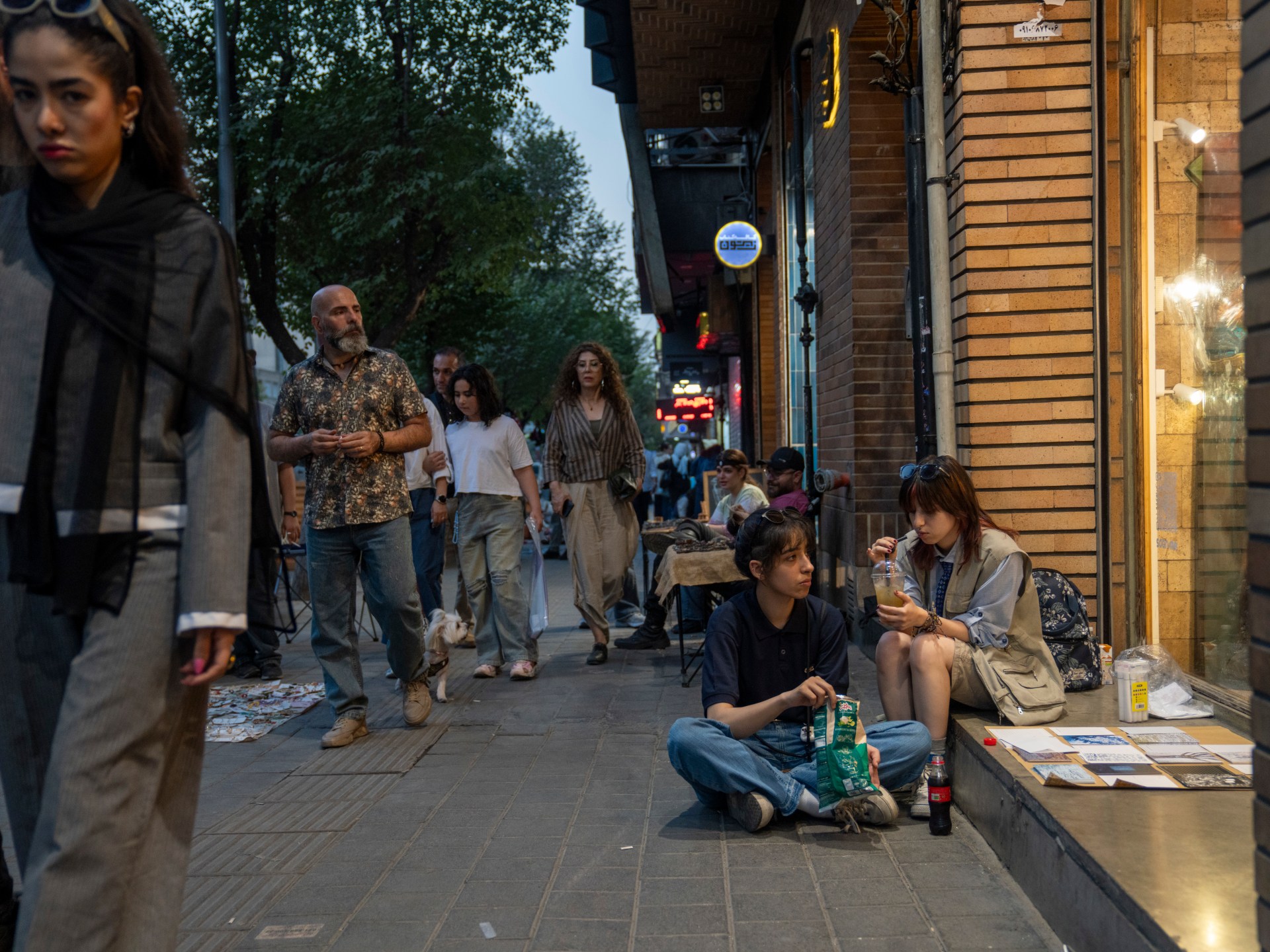
Following escalating threats of potential US attacks, Iranian authorities have intensified domestic security measures, targeting perceived security risks ranging from alleged spies to groups of youngsters. The country's security apparatus is now on high alert, taking a harder stance in dealing with issues that threaten their control over the nation during the ongoing conflict. In response to public demonstrations against the government, authorities have issued stern warnings about severe punishments and tightened control in public spaces after months of relaxed dress codes. The Iranian regime is seeking to project an image of unwavering commitment to the principles of the Islamic Republic amid eight months of war and the threat of a new wave of US attacks. Iranian authorities have also mobilized supporters dedicated to the continuity of the government in Tehran, including members of the Islamic Revolutionary Guard Corps (IRGC), to counterbalance these tensions. Three young men were recently executed for allegedly attacking government offices during nationwide protests in January, with the authorities viewing antigovernment protests as a coup attempt by terrorists affiliated with the US and Israel. The execution of political prisoners, including those arrested during the January protests, has raised concerns about due process violations. As the war continues, Iranian authorities appear to be cracking down on public opposition to the principles of Iran's theocracy, with recent incidents like the dispersal of Halloween celebrations in Tehran serving as examples. Pro-government demonstrators have been blocking city squares and streets in Tehran since the war began, receiving training and support at these locations to serve as part of the Basij, a domestic IRGC paramilitary force. These measures are intended to counter external and internal opposition as Iran faces increased pressure from both the US and Israel.
Filed underWorld
More stories
WorldWorldWorldWorldWorldWorld