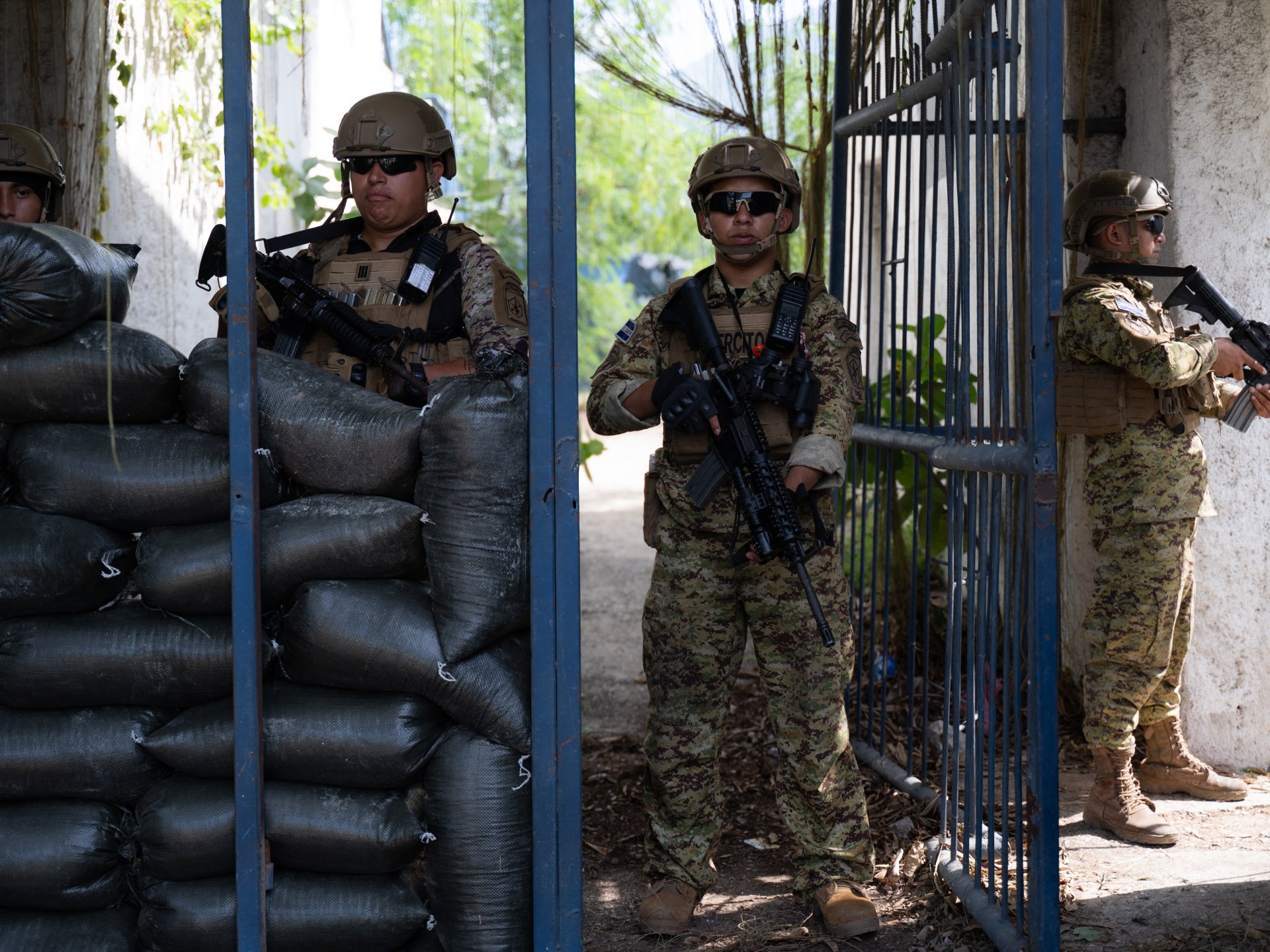
Haitian citizens have taken to the streets in various cities to show support for the deployment of troops from El Salvador, despite concerns that this external intervention may exacerbate instability in Haiti. The demonstrations occurred on Tuesday, with hundreds of protesters marching in Port-au-Prince and other cities, carrying signs advocating against gang violence. The motivation behind these protests stems from the October 18 kidnapping of four Salvadoran aviation technicians near Port-au-Prince, which prompted El Salvador's President, Nayib Bukele, to initiate a military operation in Haiti. However, on Monday, El Salvador announced that it would withdraw its approximately 2,500 troops once the missing Salvadoran airmen were found. This decision was met with support from some top Haitian officials, including Justice Minister Patrick Pelissier, who expressed gratitude for the troop surge and applauded Bukele's decision. The timeline for the withdrawal of Salvadoran troops remains uncertain, with concerns about the potential for increased instability and risks to civilians if the operation is abruptly terminated.
In a recent social media post, President Bukele claimed that during the operation, human skulls were discovered inside Haiti's national football stadium, which had been held by gangs for years. The leader of Haiti’s 400 Mawozo gang, Wilson Joseph, reportedly asserted that the technicians are already deceased and that the abduction took place in territory controlled by a rival gang. Bukele has championed El Salvador's role in confronting Haiti's gangs, using social media to promote the offensive and sharing videos of military operations. However, critics warn that transplanting such tactics to Haiti could lead to a backlash, causing further instability and endangering civilians. They also caution against the lack of long-term planning for El Salvador's troop deployment, as a sudden withdrawal could worsen the situation for Haiti's security forces.
Bukele is currently campaigning for a third term in El Salvador's upcoming presidential election in February. Analysts speculate that his actions in Haiti may be used as a campaign tool to garner support. The Salvadoran deployment is the latest in a series of international interventions in Haiti, which often provoke controversy. For example, the United States has previously sent troops to Haiti multiple times during the 20th century, occupying the country for extended periods and seizing control of its central bank. More recently, a UN-backed Gang Suppression Force (GSF) arrived in Haiti in April to address the widespread gang violence. Gangs currently control over 80% of the capital region, and the conflict has resulted in over 22,000 deaths since 2022. UN reports attribute more than half of these deaths to security operations, including the deaths of 300 civilians, and almost 2,000 people have been displaced since the arrival of Salvadoran troops. However, Haiti's government has not reported any civilian casualties in the latest operations, which it describes as professional.