Gulf Nations Balance Sanctions Against Escalation as Trump Intensifies Economic War on Iran
As the United States moves to impose tougher economic sanctions against Iran, Gulf states are weighing the potential risks of economic isolation against the possibility of escalating tensions.
By Pulse World Media Desk
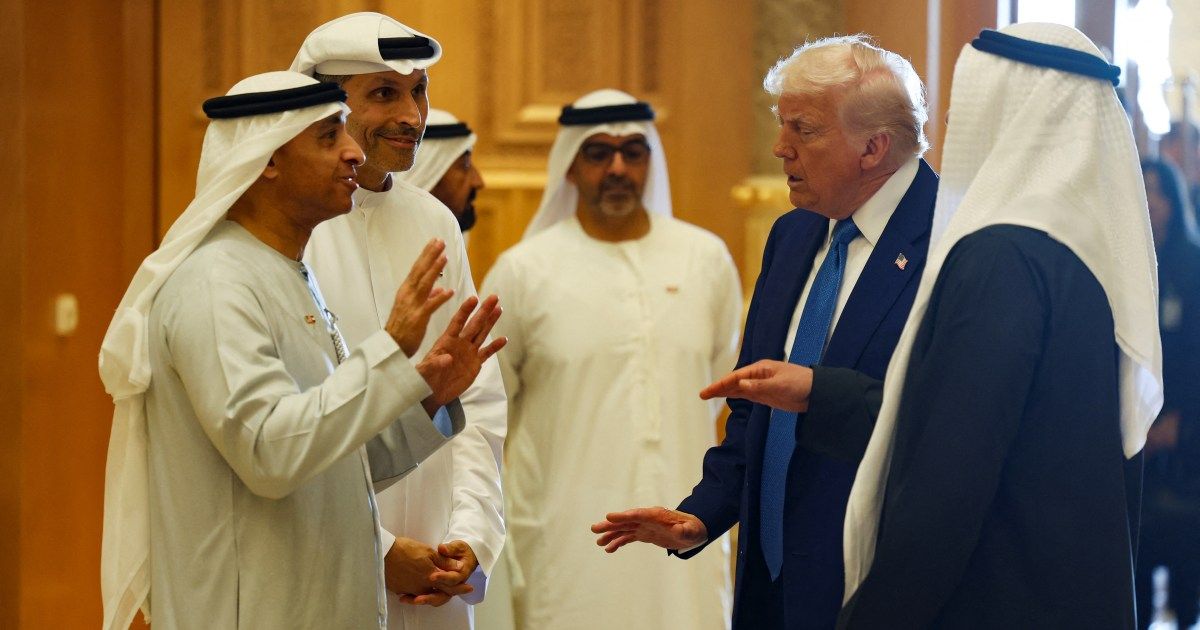
As the United States moves to impose tougher economic sanctions against Iran, Gulf states are weighing the potential risks of economic isolation against the possibility of escalating tensions. On Monday, US Treasury Secretary Janet Yellen announced 'Operation Financial Isolation,' targeting Tehran's remaining sources of revenue while threatening penalties for those who continue doing business with Iran. The latest wave of sanctions is described as "the most extensive financial offensive ever" against Iran, with banks and businesses facing potential isolation if they refuse to cooperate. Gulf nations have previously found themselves in the crossfire during US-Iran hostilities, and while economic pressure may seem preferable to another round of missile strikes, analysts warn that Iran could respond by targeting more US assets and energy infrastructure across the region. Iran's Secretary of the Supreme National Security Council Mohsen Rezaei has threatened that if countries surrounding Iran join the US in its economic war, no oil will leave the Persian Gulf or the Strait of Hormuz. The US military presence helps protect Gulf allies from Iranian missiles and drones but also makes their territories potential targets. The US is applying 'economic D-Day' measures to isolate Iran by targeting five of its most important economic lifelines: digital assets, technology, gold, aviation, and shipping. Iran's trading partners are at risk of secondary sanctions if they continue helping turn Iranian oil into revenue. The Treasury has imposed specific sanctions on entities, vessels, and individuals across various countries, accusing them of facilitating Iranian trade. However, Iranian political analyst Mostafa Khoshcheschm dismissed the announcement as a "political show" intended to intimidate Iran's neighbors. The renewed focus on economic pressure comes after months of war have failed to produce a decisive outcome for the US. Meanwhile, reports suggest that supplies of missiles and air defense interceptors in the Middle East may be running low, incentivizing Washington to pursue other means of pressuring Tehran. The disruption to energy exports in the Strait of Hormuz has caused gas prices to soar in the US, making the war even more unpopular at home. Despite this, Washington appears to believe that the economic balance is in its favor. Trita Parsi, executive vice president of the US-based Quincy Institute for Responsible Statecraft, said that Washington calculates that rerouting maritime traffic through Oman – combined with a wider shift away from Gulf oil – has reduced the effectiveness of Iran's closure of the Strait of Hormuz, while the US blockade has sharply constrained Tehran's ability to sell its oil.
Filed underBusiness
More stories
BusinessBusinessBusinessBusinessBusinessBusiness