Global Greenhouse Gas Emissions: A Comprehensive Breakdown
As world leaders converge at COP31, a United Nations climate summit held in Antalya, Turkiye from November 9 to 20, the pressing issue of escalating global greenhouse gas emissions looms large.
By Pulse World Media Desk
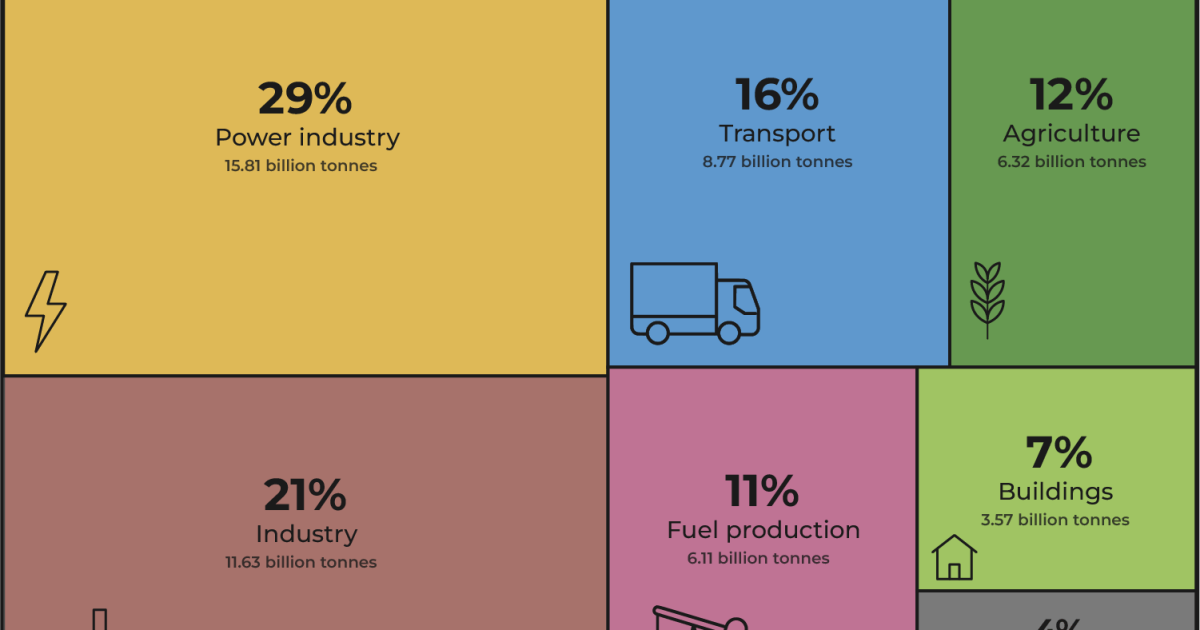
As world leaders converge at COP31, a United Nations climate summit held in Antalya, Turkiye from November 9 to 20, the pressing issue of escalating global greenhouse gas emissions looms large. The European Commission's Joint Research Centre (JRC) and the International Energy Agency (IEA) report that the world emitted a record-breaking 54.1 billion tonnes of these harmful gases in 2025, marking a 0.7 percent increase from the previous year and a staggering 68.5 percent rise since 1990. The primary culprits behind this surge are carbon dioxide (CO2), methane (CH4), nitrous oxide (N2O), and fluorinated gases (F-gases). Carbon dioxide, released predominantly through the burning of fossil fuels such as coal, oil, and gas, accounted for an overwhelming 73.8 percent of global emissions in 2025. Methane followed closely at 17.6 percent, while nitrous oxide accounted for 5.3 percent and fluorinated gases constituted 3.3 percent. The alarming increase in these gases has led to a significant rise in the heat trapped within Earth's atmosphere, fueling extreme weather events such as heatwaves, droughts, floods, and catastrophic storms that have claimed thousands of lives, displaced millions, and caused billions of dollars in damages across the globe during 2026. The power industry, responsible for generating electricity, is the largest source of these emissions, accounting for nearly 30 percent of global emissions in 2025, with industrial emissions a close second at 21 percent. Transportation, including cars, shipping, and aviation, ranks third at 16 percent. Together, these three sectors account for approximately two-thirds of the world's greenhouse gas emissions. The rest comes from agriculture (12 percent), the extraction of coal, oil, and gas (11 percent), buildings (6.6 percent), and waste (3.6 percent). Despite periodic dips in global emissions since 1970, they have consistently rebounded after each instance. In 2025, the three largest emitters accounted for almost half of the world's greenhouse gases: China (29.5 percent), the United States (11.1 percent), and India (8.3 percent). The European Union, Russia, Indonesia, Brazil, and Iran also contributed significantly to these emissions. International shipping and aviation, which fall outside any single country's total, accounted for 2.6 percent of global emissions, surpassing the output of most countries. As we grapple with the consequences of escalating greenhouse gas emissions, it is crucial to examine their historical context. The Industrial Revolution marked the beginning of increased emissions in the West, particularly in the United Kingdom and the US, as they expanded factories and moved towards mass manufacturing. Post-World War II, global emissions soared and have more than doubled since 1970, with China's emissions surging in the early 2000s as its economy grew rapidly and overtook the United States as the world's largest emitter in the mid-2000s. As we convene at COP31 to discuss climate action, it is clear that concerted efforts are needed to curb emissions and mitigate the devastating effects of global warming.
Filed underWorld
More stories
WorldWorldWorldWorldWorldWorld