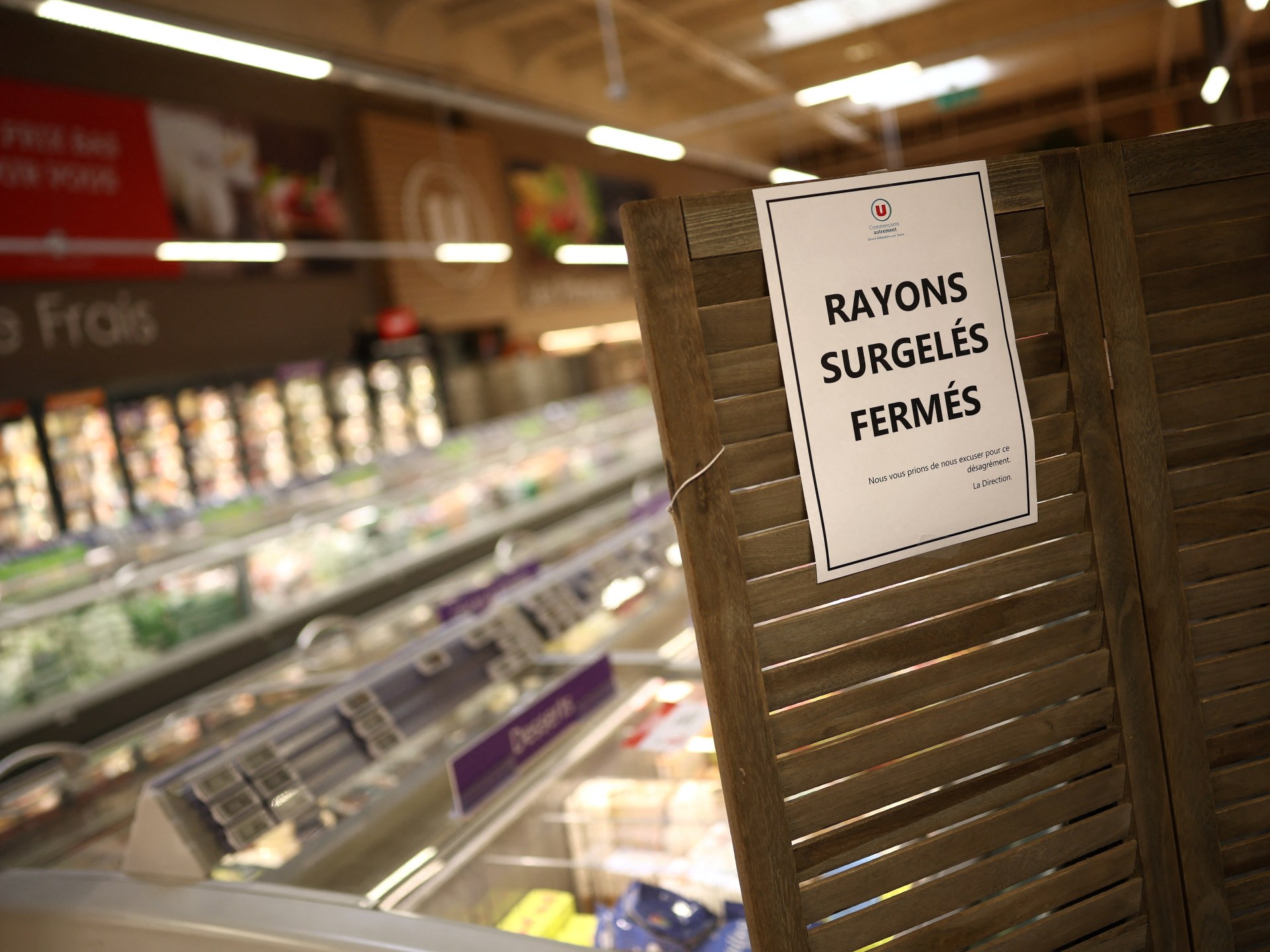
France has accused Iran of carrying out a significant cyberattack that targeted supermarket refrigerators last month, prompting the French government to summon Iran's ambassador in Paris for a strong protest. The alleged attack, which occurred on October 11 and 12, affected more than 700 supermarkets across France, forcing them to discard millions of euros worth of perishable food due to raised temperatures in the fridges. French Foreign Minister Jean-Noel Barrot stated that this marked the first large-scale cyberattack aimed at sabotage on French territory and posed a major threat to the nation's interests and the security of its citizens. The Iranian government, however, has categorically denied the allegations, labeling them baseless.
The French prosecutor, Laure Beccuau, opened an investigation into Shahid Kaveh, a cyber unit of Iran’s Islamic Revolutionary Guard Corps (IRGC), over the attacks. The prosecutor's office has requested international arrest warrants for two Shahid Kaveh officials in connection with the incident. Tensions between France and Iran have escalated recently, following Iran's August arrest and subsequent expulsion of two French diplomats. Relations have further deteriorated due to Iranian authorities closing a French-language center linked to its embassy in Tehran, which was accused of conducting illegal acts violating diplomatic conventions.
Recent similar incidents have been reported in other European countries, raising concerns about the origin and organization behind these cyberattacks. Experts such as Jody Westby, chief executive of Global Cyber Risk LLC, have noted that tracking down the group responsible for the attacks is challenging due to poor cooperation on international cybercrime investigations and the nature of packet switching. European air traffic has also been disrupted by false bomb alerts against dozens of flights in recent days, although the origin of these threats remains undetermined.