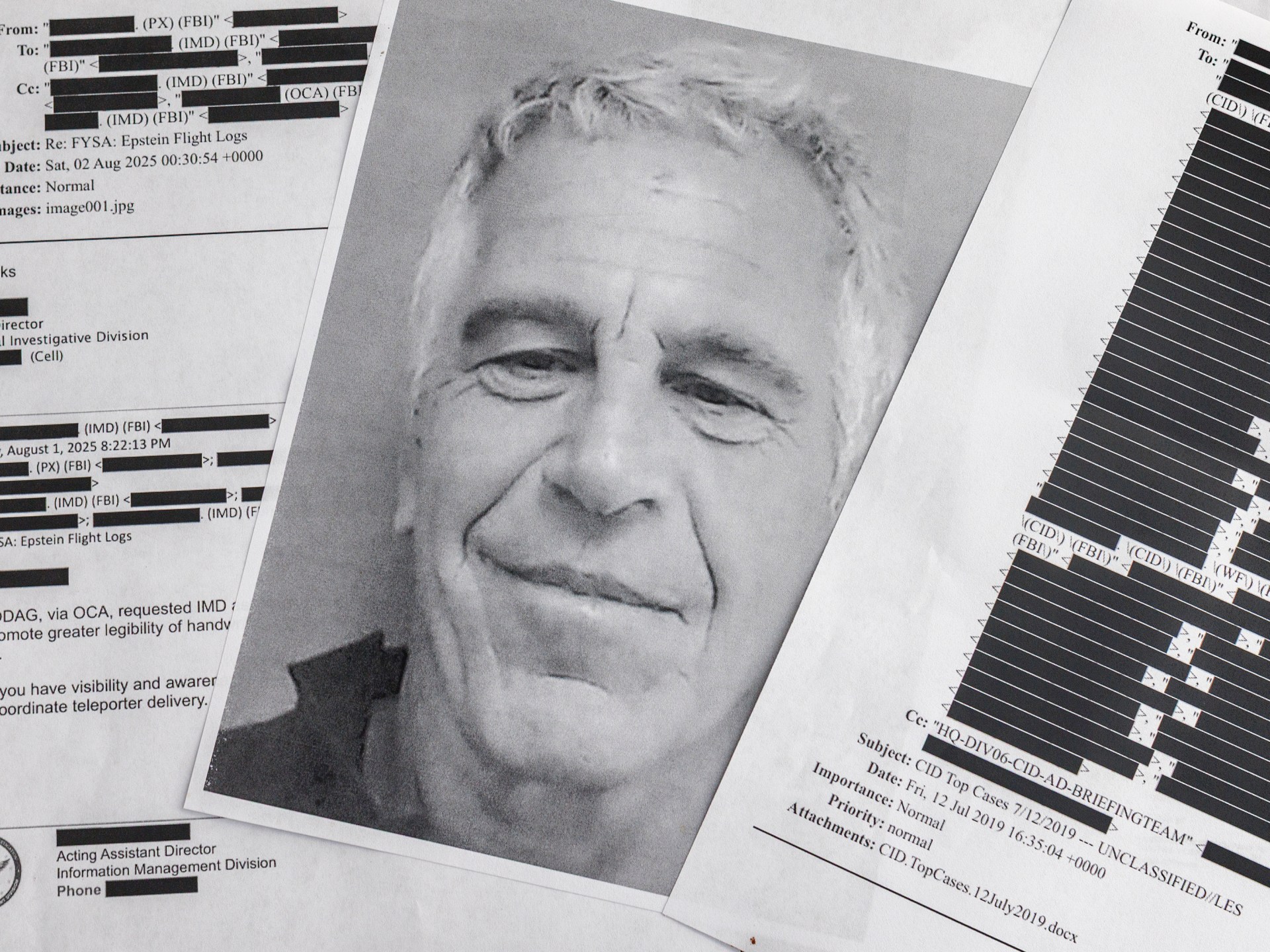
Forensic expert Michael Freeman, editor-in-chief of the Journal of Forensic and Legal Medicine, has cast doubt on the official autopsy findings regarding Jeffrey Epstein's death in 2019. According to Freeman, an analysis of autopsy records and photos suggests that Epstein was strangled rather than committed suicide while awaiting trial for sex trafficking charges at the Metropolitan Correctional Center in New York. Freeman claims that the injuries found on Epstein's body were inconsistent with suicidal hanging and more consistent with homicidal strangulation from behind using a narrow knotted fabric ligature. The death of Epstein, who was found hanging in his cell on August 10, 2019, has long been the subject of conspiracy theories due to concerns that he may have possessed damning evidence implicating prominent public figures in cases of sexual abuse, rape, and pedophilia. Additionally, security cameras outside Epstein's cell were not functioning on the day of his death, and a 2023 Department of Justice report concluded that the facility had longstanding problems with its cameras. Following Freeman's comments, Epstein's brother Mark has called for a new investigation into the death. The New York City Office of Chief Medical Examiner stands by its determination that Epstein died by suicide.
---
SUMMARY (cont.):
The allegations made by forensic expert Michael Freeman have added fuel to the ongoing debate surrounding the circumstances surrounding Epstein's death. While the New York City Office of Chief Medical Examiner maintains that Epstein died by suicide, Freeman argues that his analysis of the autopsy records and photos suggests otherwise. According to Freeman, the injuries found on Epstein's body are more consistent with homicidal strangulation than suicidal hanging. This theory has been bolstered by the fact that security cameras outside Epstein's cell were not functioning on the day of his death, which has raised questions about what happened in the hours leading up to his death.
---
SUMMARY (cont.):
The allegations made by Michael Freeman have once again brought attention to the death of Jeffrey Epstein and the ongoing conspiracy theories surrounding it. Epstein was a wealthy financier who was accused of sex trafficking and rape, and his death in 2019 sparked widespread outrage and concern. The fact that security cameras outside his cell were not functioning on the day of his death has raised questions about what happened, and Freeman's analysis of the autopsy records and photos has added fuel to the conspiracy theories. Epstein's death has been a topic of interest for years, with some claiming that he was killed over fears that he would provide damaging evidence implicating prominent public figures in cases of sexual abuse, rape, and pedophilia.
---
SUMMARY (cont.):
While the New York City Office of Chief Medical Examiner stands by its determination that Epstein died by suicide, Michael Freeman's analysis has sparked a renewed interest in the case. Freeman claims that the injuries found on Epstein's body are more consistent with homicidal strangulation than suicidal hanging, and this theory has been bolstered by the fact that security cameras outside his cell were not functioning on the day of his death. This renewed interest in the case has led to calls for a new investigation from Epstein's brother Mark, who believes that there is still more to be uncovered about what happened on the day of Epstein's death. The case remains a topic of intense public interest and debate.