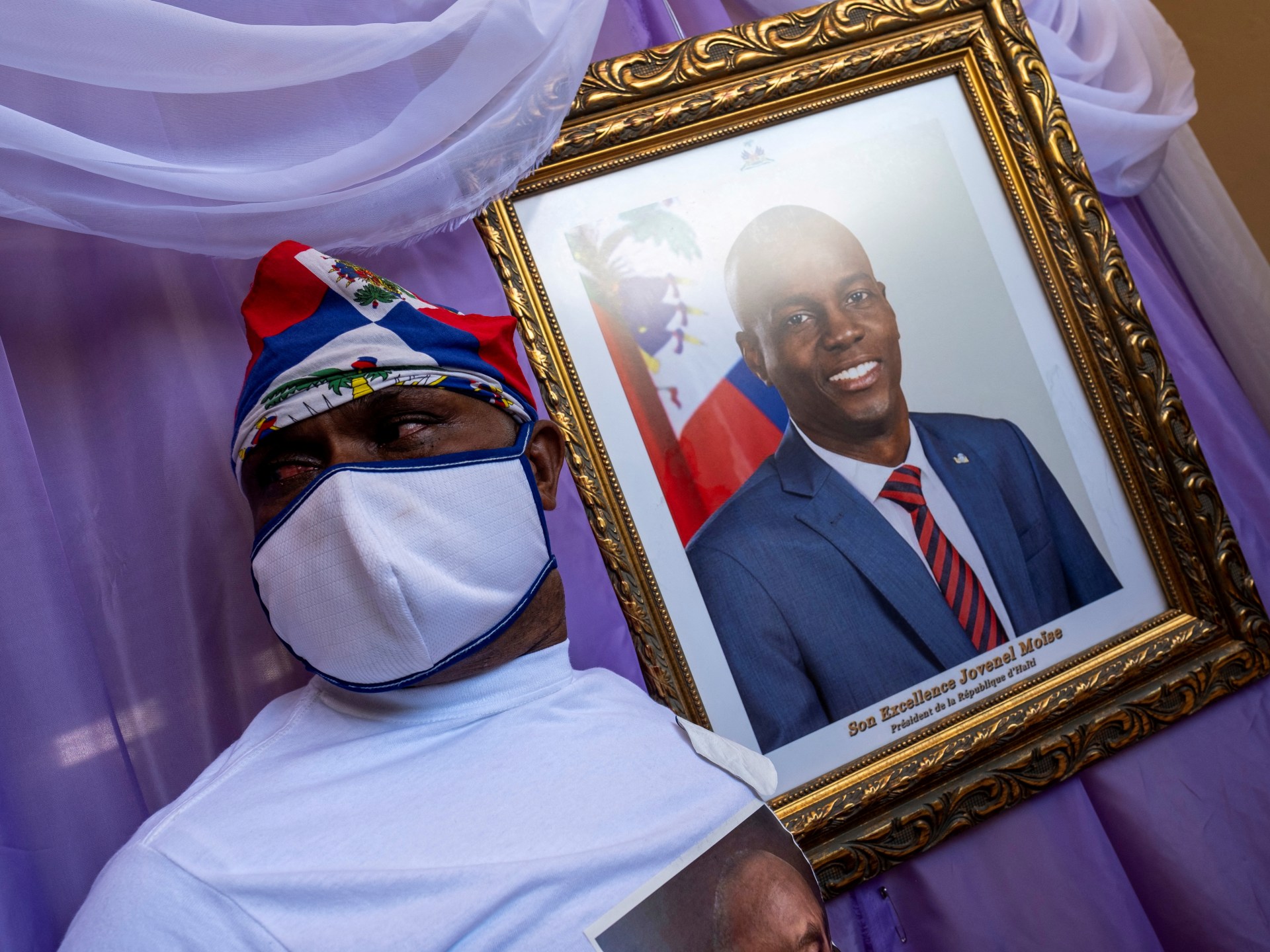
A Florida court has convicted Christian Emmanuel Sanon, a Haitian-American pastor, on charges related to the assassination of Haitian President Jovenel Moise last July. The trial, which spanned over eight weeks in Miami, saw Sanon found guilty on all eight counts, including conspiring to kill the president. Prosecutors alleged that Sanon was part of a plot to pay foreign mercenaries with funds diverted from US government programmes intended for COVID-19 relief. They claimed that South Florida served as a hub for planning and financing the attempt to oust Moise and install a new leader.
During the trial, Sanon testified that he had communicated with individuals aiming to replace Moise but maintained that they had switched to another candidate before the assassination. He denied any knowledge of plans to kill the president. Arrested in Port-au-Prince days after the attack, Sanon faces up to life imprisonment and will be sentenced on February 10. His attorney has announced an intention to file an appeal.
Authorities have charged over 40 individuals in relation to the assassination, with more than a dozen already convicted, including five serving life sentences. Among those yet to face trial are Joseph Felix Badio, a former government anti-corruption official, and 17 Colombian ex-soldiers. The assassination led to a power vacuum in Haiti, with armed gangs, believed to be aided by corrupt politicians, seizing control of much of the capital and surrounding regions. The situation has resulted in economic, security, and humanitarian crises, forcing nearly 1.5 million people to flee their homes.
The United Nations Human Rights Office reported over 4,595 deaths due to armed violence between January and October this year. Haiti remains without a president following Moise's assassination, with the UN expressing concerns about the ongoing crisis.