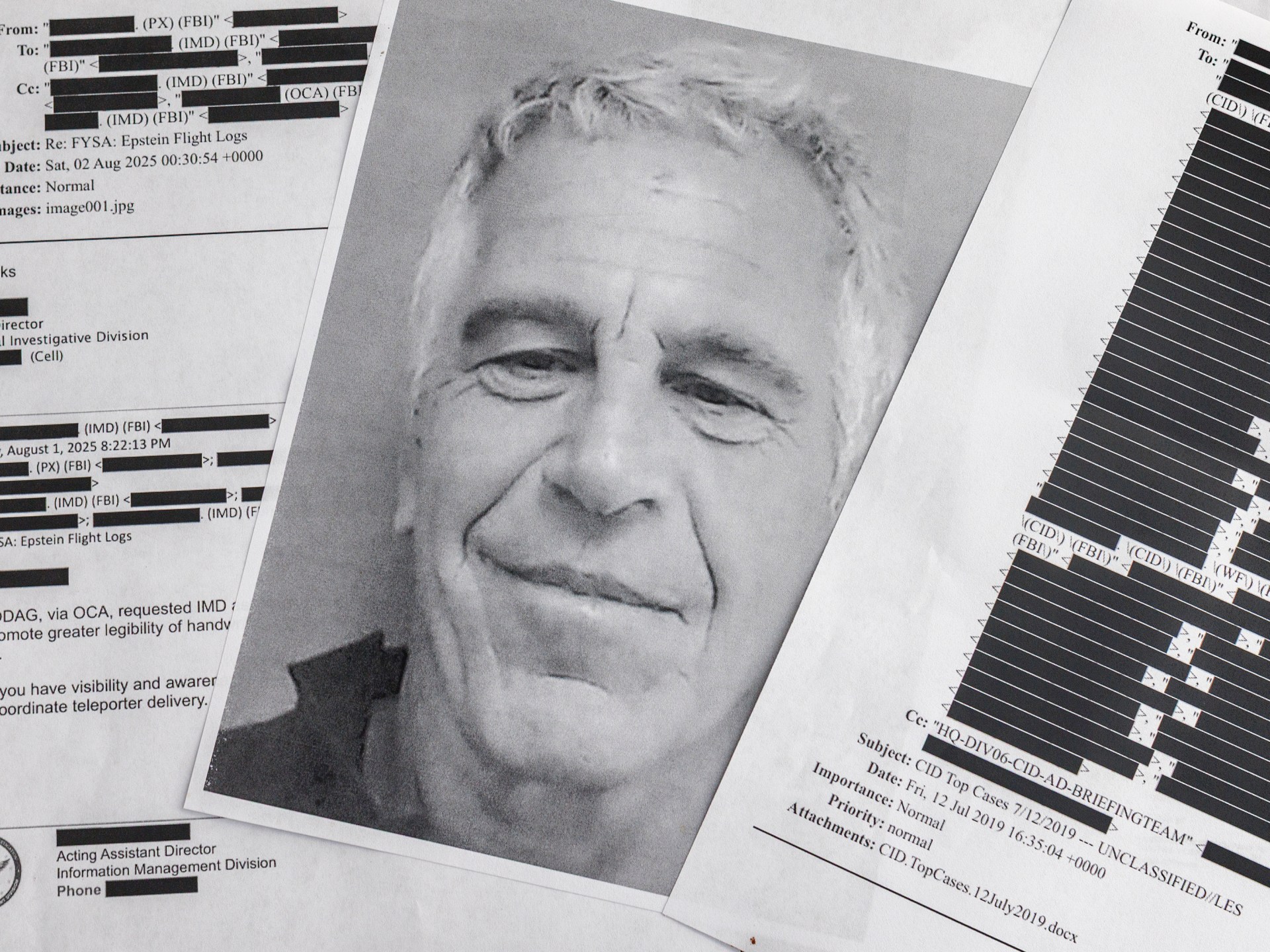
A trio of experts, consisting of a forensic scientist, a forensic pathologist, and a cognitive scientist, has cast doubt on the suicide ruling of convicted sex offender Jeffrey Epstein's death in 2019. In a report obtained by media outlets, they allege that the injuries found on Epstein’s body are "most consistent with homicidal strangulation" rather than suicide, contradicting the findings of the medical examiner in the United States. The experts suggest that Epstein was first assaulted and then strangled, offering an alternative narrative to the official report.
The controversy surrounding Epstein's death has been a subject of speculation for years, given his high-profile connections with politicians, industry leaders, academics, and artists. His network of contacts has sparked questions about potential cover-ups or willful ignorance of his crimes. In 2008, Epstein pleaded guilty to solicitation of a minor for sex as part of a plea deal that saw him serve 13 months in prison.
Later, in 2019, he was arrested on federal charges of sex trafficking and accused of exploiting dozens of underage girls. He died while awaiting trial in a New York City jail. Medical examiner Kristin Roman performed the autopsy on Epstein’s body, with New York City’s Chief Medical Examiner Barbara Sampson ultimately ruling that the evidence pointed to suicide by hanging.
However, some experts have expressed skepticism about this ruling. Epstein's brother, Mark, has long questioned the medical examiner's findings, and provided access to death records for forensic scientist Michael Freeman. Freeman has consulted on cases where families have challenged law enforcement narratives surrounding someone's death, including in high-profile cases like George Floyd's murder.
The experts allege that some aspects of the initial investigation were overlooked or mishandled, such as prison personnel failing to take photos before moving Epstein’s body and investigators not identifying the ligature used around his neck. They also claim that some avenues of investigation went unexplored, including the refusal of the prison guard who found Epstein's body to be interviewed and the medical examiner who determined the case was a suicide being denied access to the prison. The experts disagree with the medical examiner’s assessment of Epstein’s injuries, noting marks on his neck that were not slanted in a way consistent with hanging from a bedpost and bruising on his back, shoulder, and neck that were not acknowledged in the original statements.
According to the trio, these injuries are "most consistent with homicidal strangulation from behind, most likely using a narrow knotted fabric ligature." The experts believe either that the prison guard who found Epstein was lying about discovering his body hanging, or that the body was deliberately positioned to make it appear as if a suicide had taken place.