Deadly Slap in School Sparks Corporal Punishment Debate in India
In a tragic incident, six-year-old Pranay Teja died after being slapped by his kindergarten teacher for not completing homework.
By Pulse World Media Desk
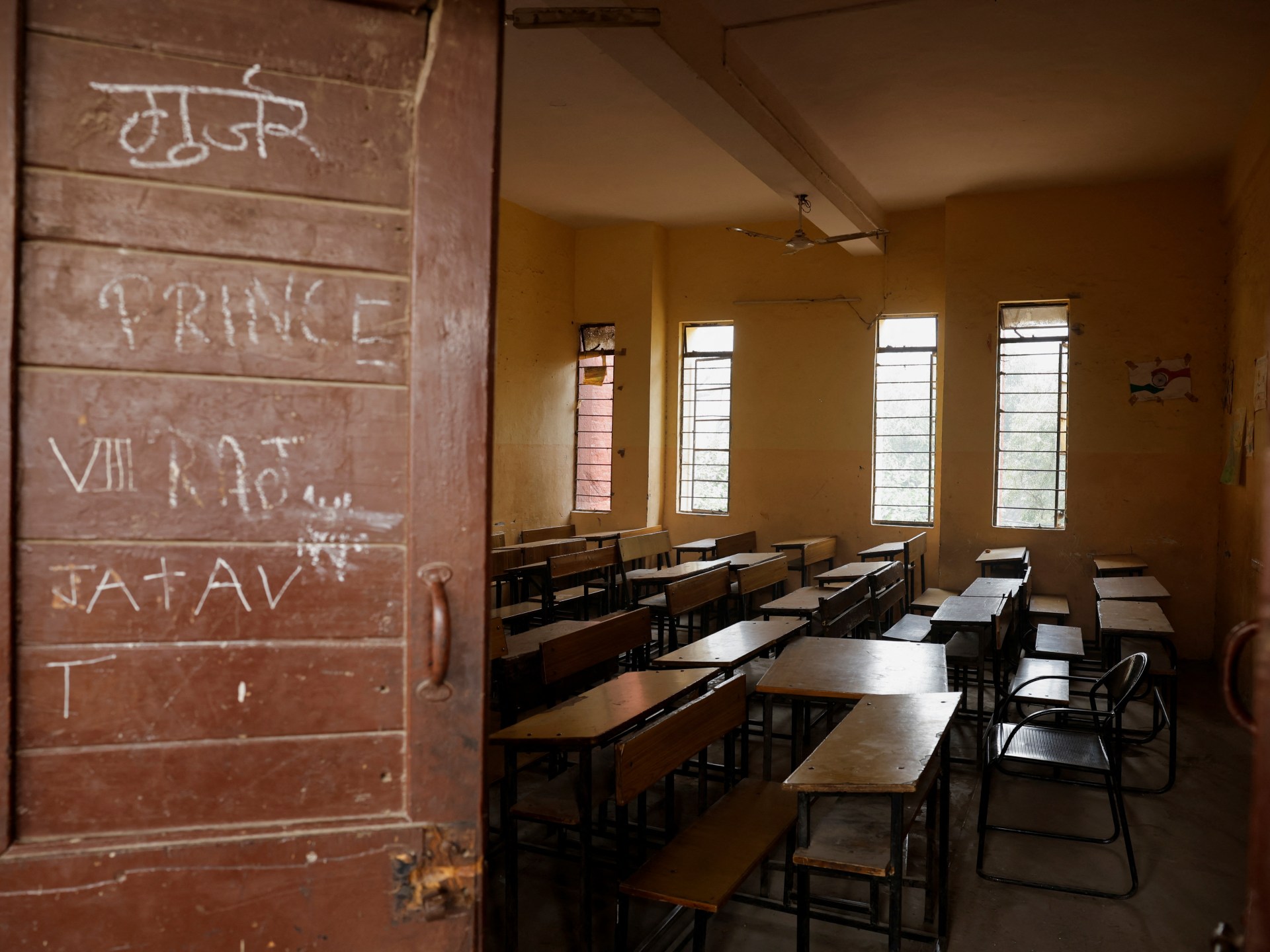
In a tragic incident, six-year-old Pranay Teja died after being slapped by his kindergarten teacher for not completing homework. The incident occurred in Visakhapatnam, Andhra Pradesh state, and has brought renewed attention to the issue of corporal punishment in Indian schools, despite a ban on such practices since 2010. The Right of Children to Free and Compulsory Education Act (RTE) prohibits physical punishment and mental harassment, but its implementation is often lacking, especially in poor, rural, and marginalized communities where corporal punishment remains prevalent. A recent study found that 80% of low-income schoolchildren in Gurugram were beaten several times a week, with parental approval. Kawalpreet Kaur, a lawyer based in New Delhi, points to the lack of effective implementation and enforcement of the law as the main issue, with schools often shielding teachers from complaints and pushing cases into general criminal laws. The judiciary's reluctance to prosecute teachers also contributes to the problem. Historian Ruchika Sharma traces the roots of corporal punishment in India back centuries before British colonial rule, attributing it to the rigid caste system and ancient texts that prescribe punishments for peasants and those who disrespect higher castes. Despite its long history in India, the normalization and systematization of corporal punishment within the education system during British colonial rule continues to have a lasting impact today.
Filed underWorld
More stories
WorldWorldWorldWorldWorldWorld