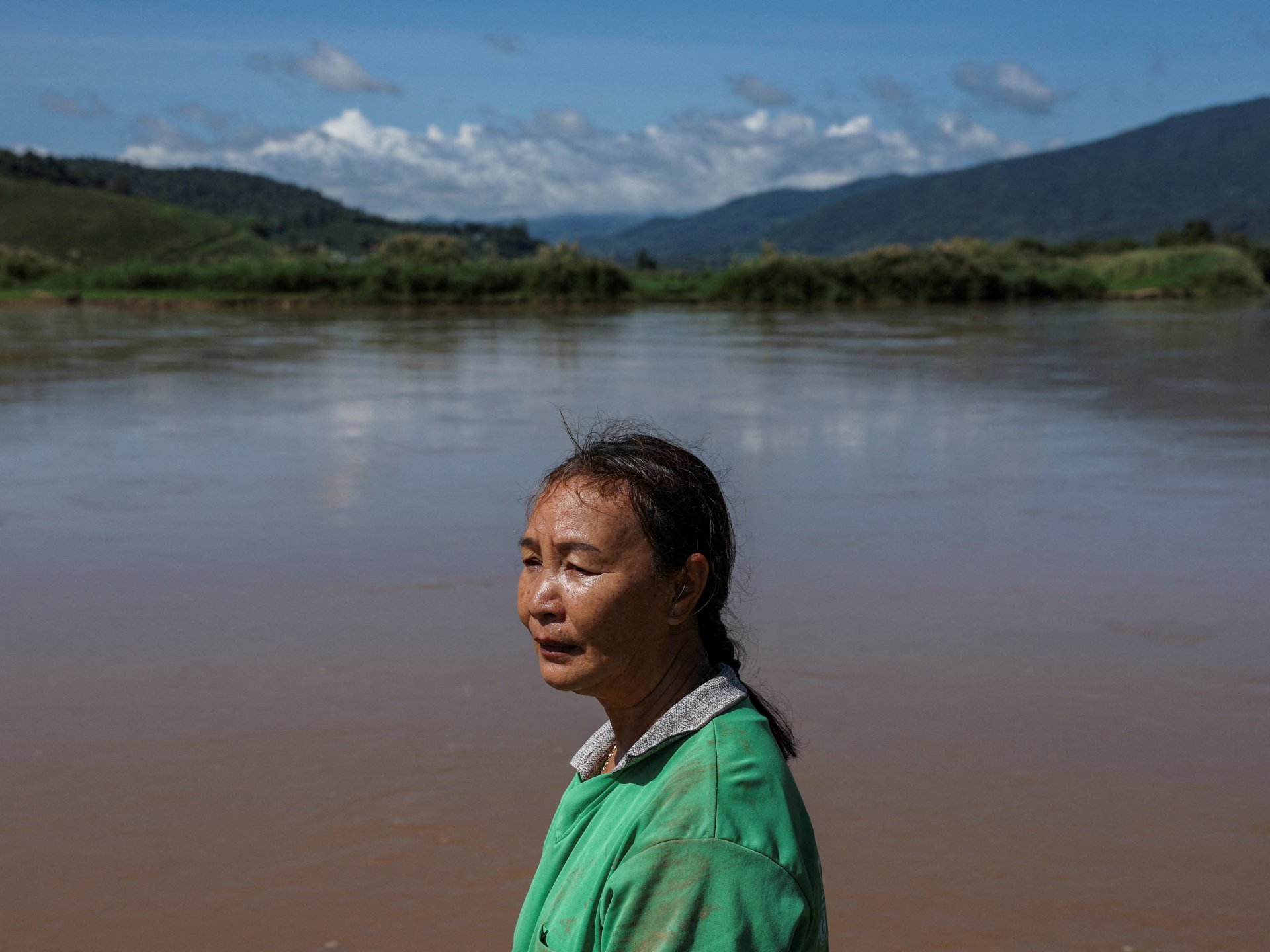
Thai authorities have been scrambling to ensure the provision of safe drinking water for over 20,000 households in northern Thailand following the detection of unsafe levels of arsenic, linked to mining operations in Myanmar, in their water supply. The contamination was found this month in tap water supplies of 14 villages in Mae Sai district near the Myanmar border, with arsenic levels exceeding safe limits by 30 times. Further tests revealed arsenic contamination in untreated water from the Sai River, a tributary of the Mekong River, at 25 times the limit for drinking water.
In response to the crisis, the Thai government has deployed two trucks to supply residents with clean drinking water and is considering alternative river water sources. Researchers at Naresuan University have traced much of the arsenic-laden sediment in the Sai River to gold mining operations across the border in Myanmar. The surge in rare earth mining in rebel-held pockets of Myanmar, supplying Chinese processing plants, is believed to be the culprit for toxic levels of heavy metals in Thai waterways, including the Mekong River.
The longstanding civil war in Myanmar enables unregulated exploitation of natural resources, including rare earth elements used in smartphones, wind turbines, and electric vehicles. The Thai government has raised concerns about the pollution with both Myanmar's officials and China, as there are fears that the contamination may be washed far down the Mekong River, posing a threat to millions of people across several countries. Preliminary tests have already shown arsenic in the urine of 17 out of 177 people tested in October in the northeastern province of Nong Khai, on the border with Laos.