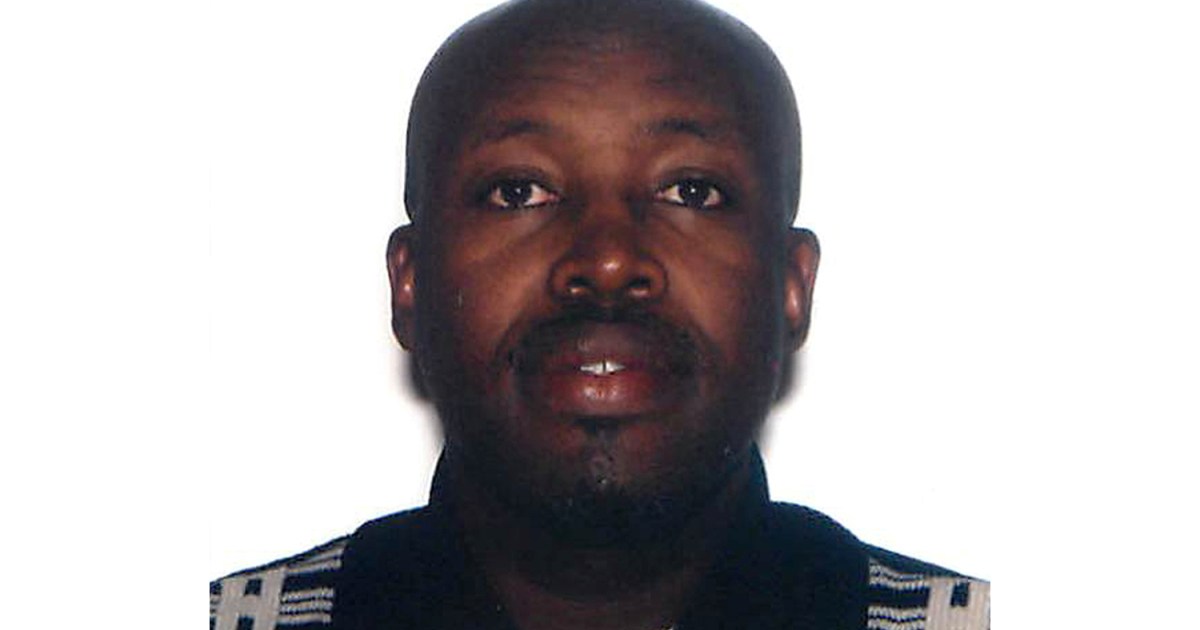
Jean Leonard Teganya, a former medical student who was accused of participating in the 1994 Rwandan genocide, has been deported from the United States to Rwanda where he faces separate allegations of genocide and crimes against humanity. The National Public Prosecution Authority (NPPA) confirmed that Teganya arrived at Kigali International Airport on November 9, 2026, accompanied by US security officers, and was handed over to Rwandan prosecutors. Born in 1971, Teganya was studying medicine at the National University of Rwanda during the genocide. He left the country in July 1994 but was deported from Canada in 2012 after his asylum application was rejected. Teganya evaded a deportation order and crossed into the United States in August 2014, where he was arrested and charged with immigration fraud and perjury for concealing his political affiliations during the genocide when seeking asylum. He was sentenced to 97 months in prison in 2019 but was deported to Rwanda after serving part of his sentence. The specific allegations against Teganya in Rwanda have not been publicly detailed, but the NPPA indicted him in 2014 over alleged involvement in genocide and crimes against humanity in southern Rwanda's former Butare prefecture.
SUMMARY (CONTINUED):
According to US court records, Teganya was affiliated with the National Republican Movement for Democracy and Development (MRND) and the Interahamwe militia during the genocide. He is accused of leading groups of soldiers and Interahamwe members through the University Teaching Hospital of Butare where they searched for Tutsi patients and refugees hiding there. Those discovered were taken away and killed behind the maternity ward, according to the prosecution's account. The prosecution also presented evidence linking him to the killing of three Tutsi people at the hospital and Tutsi students in university accommodation. It further alleged that he participated in five rapes involving two Tutsi women who had sought shelter at the hospital. These allegations formed part of the evidence in his US immigration-related trial, but he was not tried for genocide in the United States.
SUMMARY (CONTINUED):
Teganya's return to Rwanda allows Rwandan authorities to pursue a separate case against him over alleged crimes committed during the genocide. However, it is unclear whether all the allegations presented during his US trial form part of the Rwandan indictment. Teganya's case has crossed three legal systems: Canada's examination of his eligibility for asylum, the US prosecution over false statements in immigration proceedings, and Rwanda's separate allegations of genocide and crimes against humanity. It remains to be seen whether Rwandan prosecutors can establish Teganya's individual responsibility for the crimes of which he is accused.