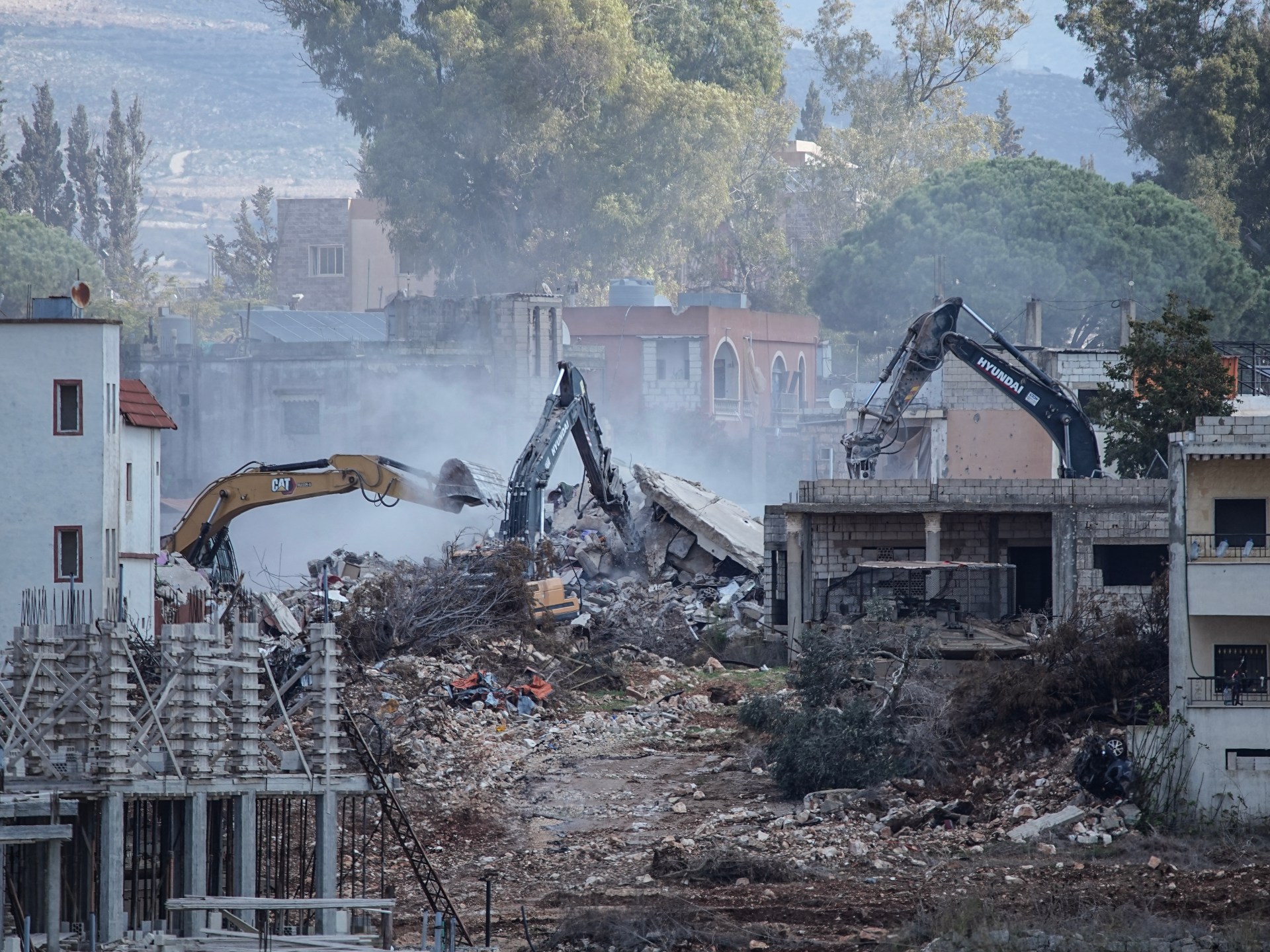
A senior World Bank official has expressed concerns over the slow pace of reconstruction efforts in war-torn Lebanon, citing delays in parliament ratification and a worsening security situation as major obstacles. Anna Bjerde, the managing director of operations at the World Bank, visited southern Lebanon on Tuesday and pointed out that only $4.2 million out of the approved $250 million for post-war rebuilding has been disbursed so far. The international financial institution had pledged the aid in June 2025 to help clear rubble and repair damaged infrastructure following the 2024 Israel-Hezbollah war. Meanwhile, Israeli occupation and attacks on southern Lebanon have further complicated the situation, with Israel allegedly demolishing civilian homes and continuing to occupy parts of the region up to the Litani River since March 2026. The ongoing conflict has displaced at least 304,500 people in the country, down from 1.2 million, according to UN estimates. Hezbollah has criticized the government for failing to help the displaced and announced it would provide up to $14,000 to families whose homes were destroyed or made uninhabitable by Israeli attacks. Israel, however, refuses to withdraw from southern Lebanon, citing security concerns related to Hezbollah's delayed disarmament. The World Bank has projected that Lebanon's economy will shrink by 6.4 percent this year, and more than one million people in the country are facing crisis levels of hunger, according to a joint report by the UN Food and Agriculture Organization, the World Food Programme, and Lebanon's Ministry of Agriculture. The Lebanese government, backed by Western powers, insists it is doing all it can under the circumstances, with reports suggesting that it has distributed approximately $100 million in housing loans to 1,500 families. Bjerde urged increased vigilance and closer monitoring to ensure the work gets done efficiently, emphasizing the need to prioritize reconstruction efforts without compromising the safety of the people involved.
The World Bank has highlighted the slow progress of international aid distribution for rebuilding war-ravaged areas in Lebanon, with only a fraction of the allocated funds being disbursed since June 2025. A senior official from the World Bank, Anna Bjerde, expressed her concerns during a visit to southern Lebanon on Tuesday, stating that institutions in the country are "very thinly stretched" and the security situation requires "very careful planning." The international financial institution had approved $250 million to help clear rubble and repair damaged critical public infrastructure following the 2024 Israel-Hezbollah war. However, a progress report showed that only $4.2 million has been paid out so far, with the World Bank estimating that rebuilding after the war would cost about $11 billion. The worsening security situation in Lebanon is attributed to Israel's continuing occupation of southern Lebanon and attacks on civilian areas. According to the United Nations, at least 304,500 people remain internally displaced in the country, down from 1.2 million, with up to 4,500 reportedly killed in Israeli attacks since March 2026. The Lebanese government has blamed Israel's occupation and attacks for the delays in reconstruction efforts, while Hezbollah has accused the government of failing to provide adequate support to those displaced by the conflict.
The World Bank has expressed concerns about the slow pace of reconstruction efforts in southern Lebanon, which was severely damaged during the 2024 Israel-Hezbollah war and subsequent fighting since March 2026. A senior official from the international financial institution, Anna Bjerde, visited the region on Tuesday and highlighted that only $4.2 million out of the approved $250 million for post-war rebuilding has been disbursed so far. Israel's continued occupation and attacks on southern Lebanon have further complicated the situation, with reports suggesting that Israeli forces have demolished civilian homes in several towns since March 2026. The ongoing conflict has displaced at least 304,500 people in the country, down from 1.2 million, according to UN estimates. Hezbollah has criticized the government for failing to help the displaced and announced it would provide up to $14,000 to families whose homes were destroyed or made uninhabitable by Israeli attacks. Israel, however, refuses to withdraw from southern Lebanon, citing security concerns related to Hezbollah's delayed disarmament. The World Bank has projected that Lebanon's economy will shrink by 6.4 percent this year, and more than one million people in the country are facing crisis levels of hunger, according to a joint report by the UN Food and Agriculture Organization, the World Food Programme, and Lebanon's Ministry of Agriculture. The Lebanese government, backed by Western powers, insists it is doing all it can under the circumstances, with reports suggesting that it has distributed approximately $100 million in housing loans to 1,500 families. Bjerde emphasized the need for increased vigilance and closer monitoring to ensure the work gets done efficiently and effectively.