Sudan's War: Shifting Battlefield Dynamics Influencing Political Landscape
The ongoing conflict in Sudan is revealing signs of a changing dynamic, with the Sudanese Armed Forces (SAF) making strategic gains in North Kordofan state, the Rapid Support Forces (RSF)…
By Pulse World Media Desk
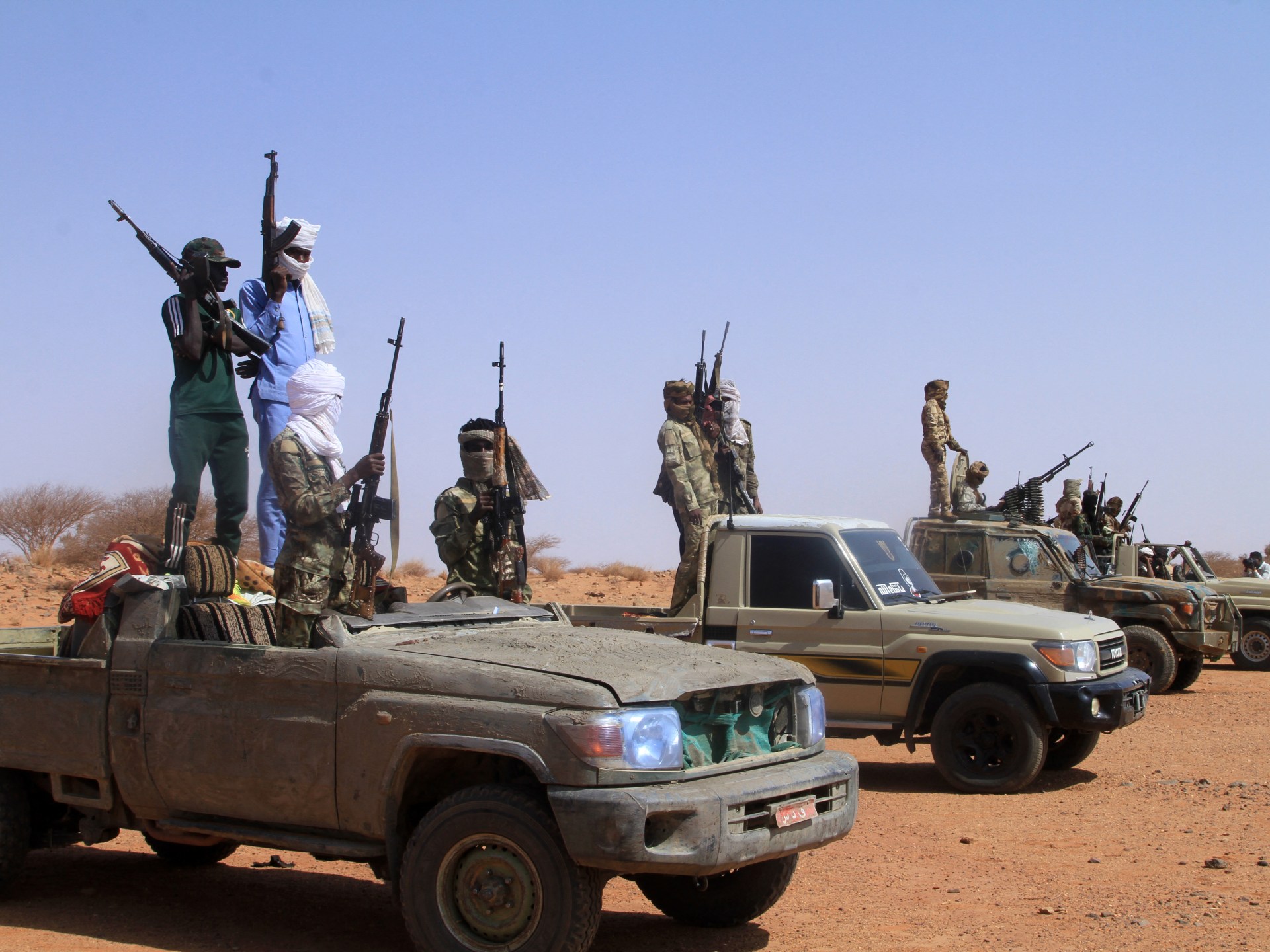
The ongoing conflict in Sudan is revealing signs of a changing dynamic, with the Sudanese Armed Forces (SAF) making strategic gains in North Kordofan state, the Rapid Support Forces (RSF) experiencing a surge in defections, and Army Chief General Abdel Fattah al-Burhan initiating political dialogue while insisting on continued military action. The army's victories have strengthened their position in North Kordofan and put pressure on RSF supply lines. Simultaneously, the increase in RSF defections is linked to several factors, including battlefield developments, internal issues within the RSF, social and tribal dynamics, and the army's efforts to disrupt RSF supply lines. Al-Burhan, who also heads the Transitional Sovereignty Council, has announced a political initiative offering temporary immunity and guarantees to participants in a national dialogue, aiming to engage national forces that support the state and its institutions. However, al-Burhan has made it clear that he will not accept a peace deal that would empower RSF commander Mohamed Hamdan Dagalo (Hemedti) and his supporters. The fighting is expected to continue until the rebellion ends, with al-Burhan working to cut off RSF supply lines and rejecting truces that could allow the RSF to reorganize. Malik Agar, deputy chairman of the Transitional Sovereignty Council, has further clarified the government's stance on maintaining military pressure while pursuing a political process aimed at preserving the state and its institutions.
Filed underConflict
More stories
ConflictConflictConflictConflictConflictConflict