Mozambique's Escalating Conflict in Cabo Delgado Threatens Millions with Displacement and Humanitarian Crisis
In northern Mozambique, a nine-year conflict between government forces and ISIL-affiliated armed group al-Shabab has forced over 2.4 million people to flee their homes, with a surge of 100,000…
By Pulse World Media Desk
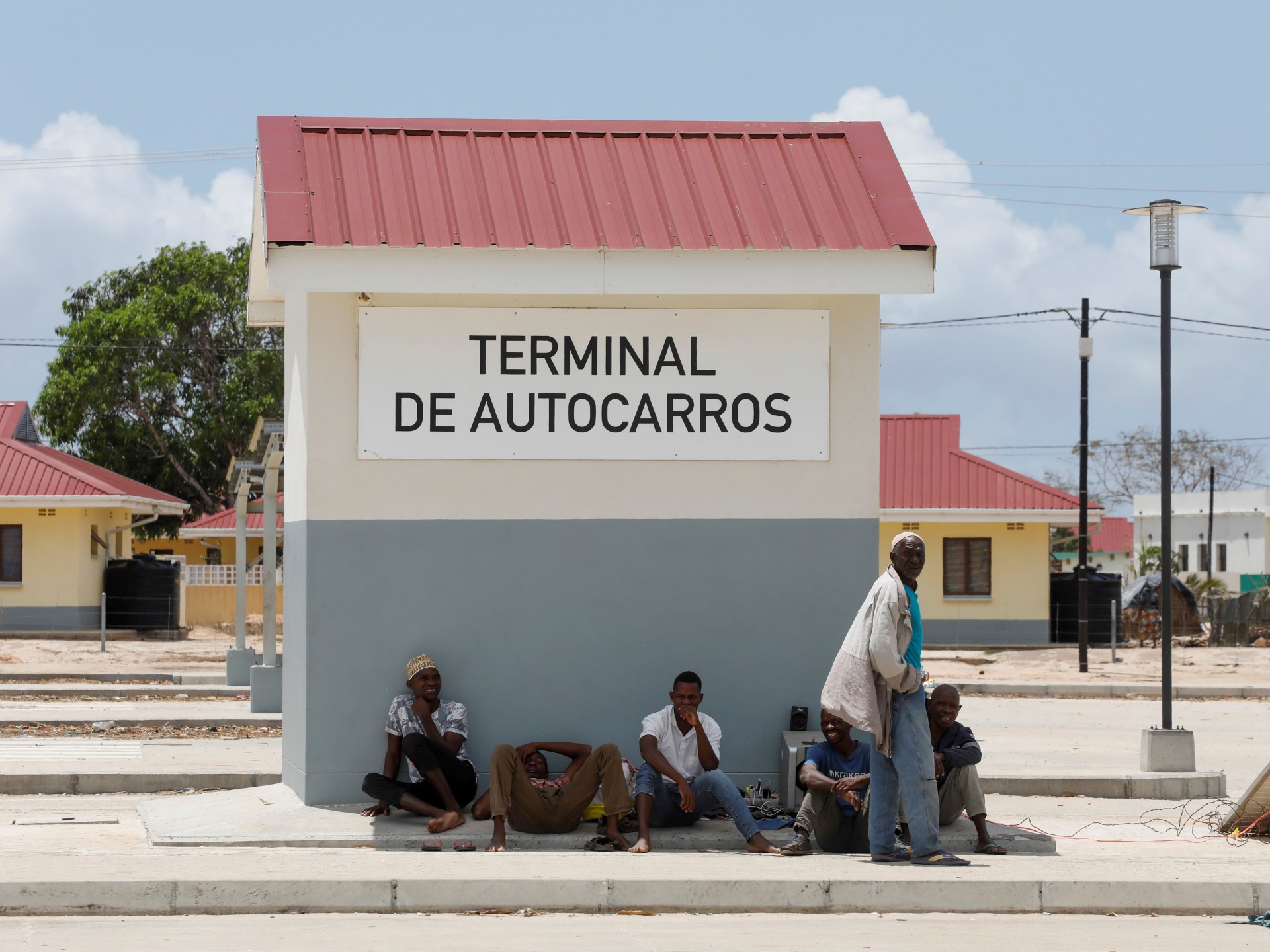
In northern Mozambique, a nine-year conflict between government forces and ISIL-affiliated armed group al-Shabab has forced over 2.4 million people to flee their homes, with a surge of 100,000 displaced in late 2025 alone. Locally based in resource-rich regions, al-Shabab, which is separate from the Somali group of the same name, has proven resilient despite heavy military intervention. Renewed attacks since August have affected all districts in Cabo Delgado for the first time, causing a surge in violence and humanitarian needs. The United Nations is struggling to provide aid due to funding gaps and US-led global aid cuts, leaving about 1.8 million people, including over a million children, in need of assistance. With no immediate military solution apparent, some are advocating for negotiations as the conflict has claimed an estimated 6,000 lives since its inception in 2017. The group's survival is attributed to protecting illicit finance networks and maintaining strong local support networks, with its leadership consisting of Tanzanian members like the current de facto leader "Farido." Agitation for fairer wealth distribution in the historically neglected region escalated when gas reserves were discovered in 2010, leading to international company involvement and intensifying calls for social justice. Cyclones and flooding further complicate the crisis, exacerbating poverty and displacement.
Filed underConflict
More stories
ConflictConflictConflictConflictConflictConflict