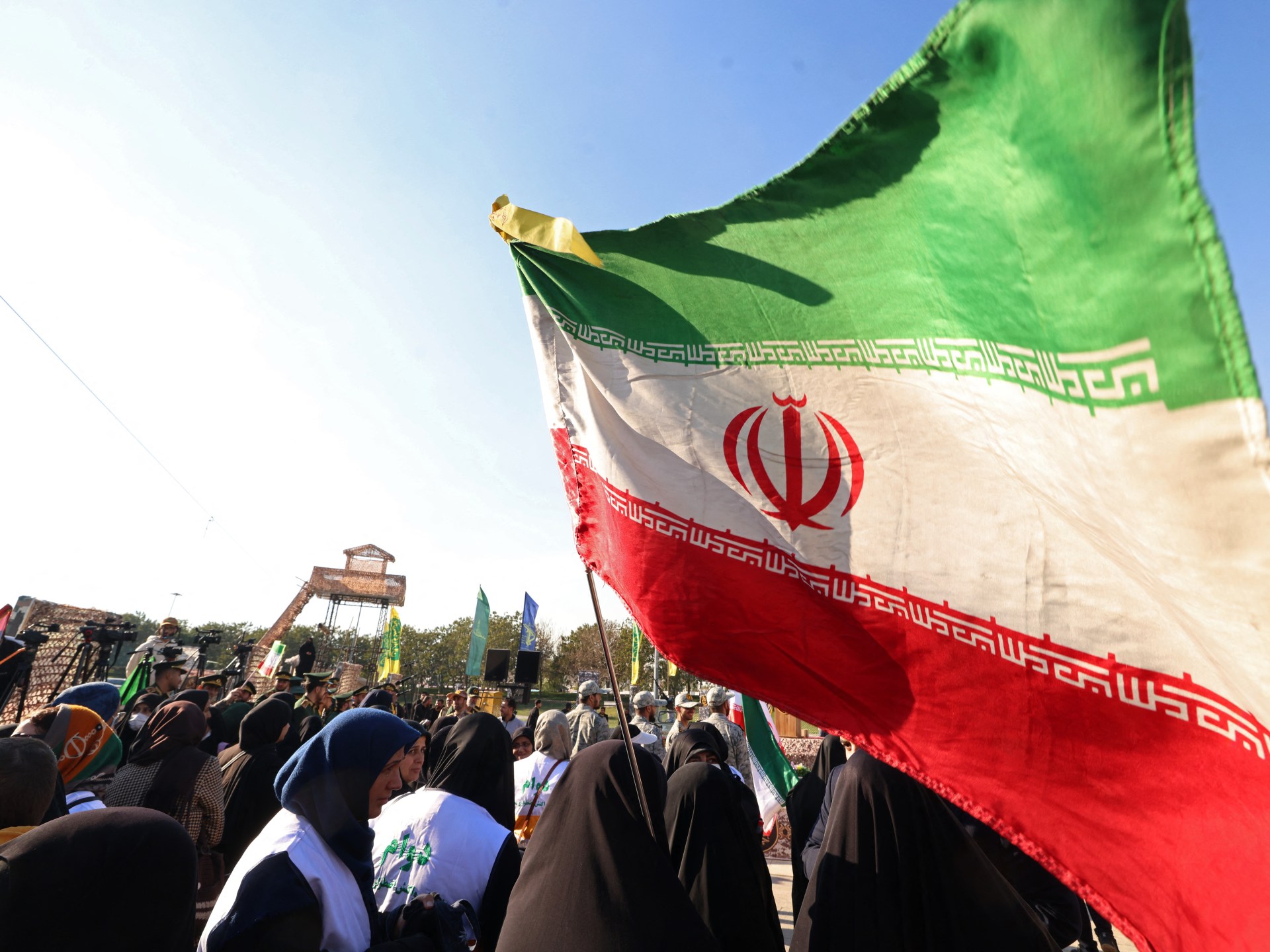
Iran's security chief, Mohsen Rezaei, has denied any talks with the United States are in progress, while emphasizing that Tehran is awaiting a response to its seven conditions for peace negotiations. These comments were made on Tuesday, amidst growing hopes for a diplomatic breakthrough in the US and Israel's conflict with Iran, following President Donald Trump's remarks about seeing "positive momentum" towards ending the conflict. Rezaei dismissed rumors of ongoing negotiations or a meeting in Qatar, stating that Washington is using talk of negotiations to alleviate economic pressure and lower oil prices. He confirmed that the Strait of Hormuz, which Iran has closed, will remain shut until the US meets its seven conditions. The exact list of conditions has not been disclosed, but they are reported to include lifting sanctions, ending military actions, especially Israel's attacks on Lebanon, and removing the US naval blockade. Foreign Minister Abbas Araghchi has suggested that the Strait of Hormuz could be reopened within two days if these demands are met. Araghchi asserted that the conflict with Iran will not be resolved through military means or intensified sanctions, but rather through diplomacy and addressing Iran's demands and conditions. The war, now in its ninth month, has caused market turmoil and disrupted oil and gas supplies, leading to price increases worldwide. During a meeting of foreign ministers from the Group of 7 in Paris, Sheikh Mohammed, Qatar's Prime Minister, discussed the Iran crisis with Saudi Arabia's foreign minister and four top European diplomats. The US Secretary of State, Marco Rubio, indicated that Washington is "open to diplomacy," reiterating Trump's stance that further military action is unnecessary if economic measures achieve the same objectives.
In the Strait of Hormuz, attacks on vessels continued, with Iran's Islamic Revolutionary Guard Corps (IRGC) claiming responsibility for three oil tankers catching fire after striking naval mines while transiting an unauthorized route in the eastern part of the strait. The UK Maritime Trade Operations (UKMTO) agency reported incidents involving two tankers in the region, one of which was struck by an unknown projectile northeast of Oman's Lima village. These attacks followed at least 37 ship attacks in and near the Strait of Hormuz in November, marking the highest monthly total for such incidents since the start of the war.
SECOND PARAGRAPH:
In response to these recent events, tensions between Iran and other global powers remain high. The US has imposed economic sanctions on Iran, while Iran has threatened to close the Strait of Hormuz, a vital oil shipping lane, in retaliation. This strategy could disrupt approximately one-third of the world's seaborne oil supply, leading to significant price increases and potential market instability. The international community is closely monitoring the situation and seeking diplomatic solutions to de-escalate tensions and prevent further conflict.
THIRD PARAGRAPH:
Meanwhile, foreign ministers from the Group of 7 (G7) nations have gathered in Paris to discuss a range of global issues, including the Iran crisis and its economic and security implications. The discussions are aimed at finding common ground and presenting a unified front to address the challenges posed by Iran's actions. Countries such as France, Saudi Arabia, and Qatar are key players in the region and have been actively engaged in efforts to mediate the conflict and promote peace.
FOURTH PARAGRAPH:
As the situation unfolds, it is crucial for all parties involved to exercise restraint and seek diplomatic solutions to resolve their differences. The potential consequences of further escalation, including military action or increased sanctions, could have far-reaching impacts on global markets, energy supplies, and regional stability. It is in everyone's interest to find a peaceful resolution to this conflict and maintain the security and prosperity of the international community.