India Opens Defence Sector to Private Companies, Sharing Missile Technology for Domestic Production
In a significant shift for the defence sector dominated by government-run firms and research laboratories, India's Defence Minister Rajnath Singh has approved the transfer of technologies developed…
By Pulse World Media Desk
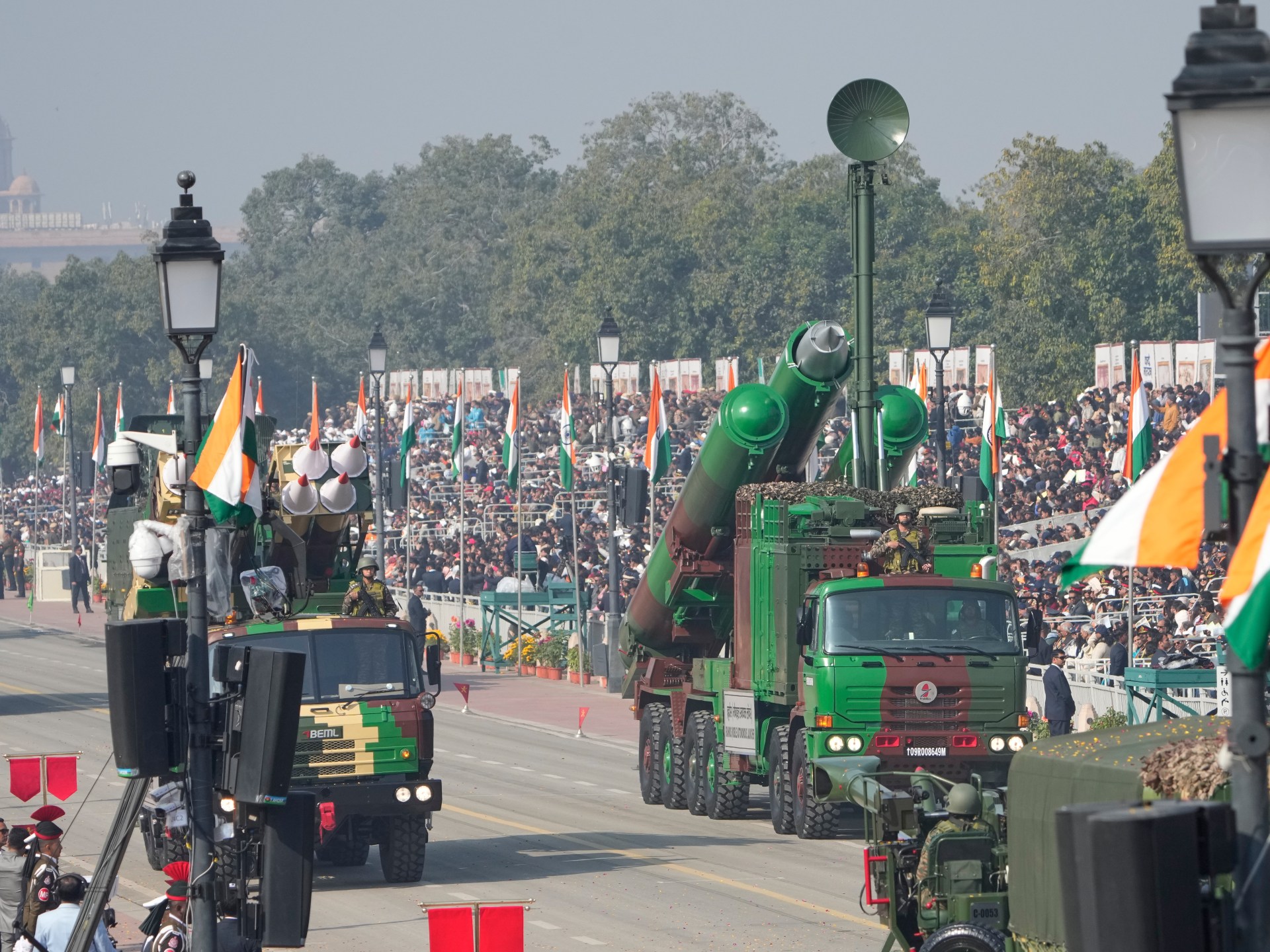
In a significant shift for the defence sector dominated by government-run firms and research laboratories, India's Defence Minister Rajnath Singh has approved the transfer of technologies developed by the state-run Defence Research and Development Organisation (DRDO) for all conventional missile systems to Indian industry. This move aims to enhance domestic manufacturing capabilities, strengthen the defence industrial base, and create opportunities for participation in the supply chain for micro, small and medium-sized enterprises (MSMEs) and other technology partners. The objective is to facilitate the transition of missile system development to industrial production, reduce India's dependence on imports, and support its goal of military self-sufficiency. The decision allows private companies to compete for technology and production rights, subject to technical qualifications, certifications, and regulatory requirements. Aditya Ramanathan, a research fellow with the Bengaluru-based Takshashila Institution, stated that this announcement spans a wide range of missiles, including surface-to-air missiles, air-to-air missiles, anti-radiation missiles, antitank systems, and land-attack cruise missiles. This move ends the monopoly held by state-owned companies like Bharat Dynamics in missile production, enabling private companies to become prime integrators for these systems. The increased production of domestically made missiles is crucial for India's defence preparedness plans, particularly as geopolitical allegiances change rapidly and the country faces uncertainties on both major borders with rivals Pakistan and China. To deter China, its most capable adversary, India is creating a tri-services conventional missile force that will require significant stockpiles for weeks of gruelling warfare. This policy shift marks a step towards developing India's own military-industrial complex while addressing potential security risks associated with the involvement of private companies in sensitive defence production.
Filed underTech
More stories
TechTechTechTechTechTech