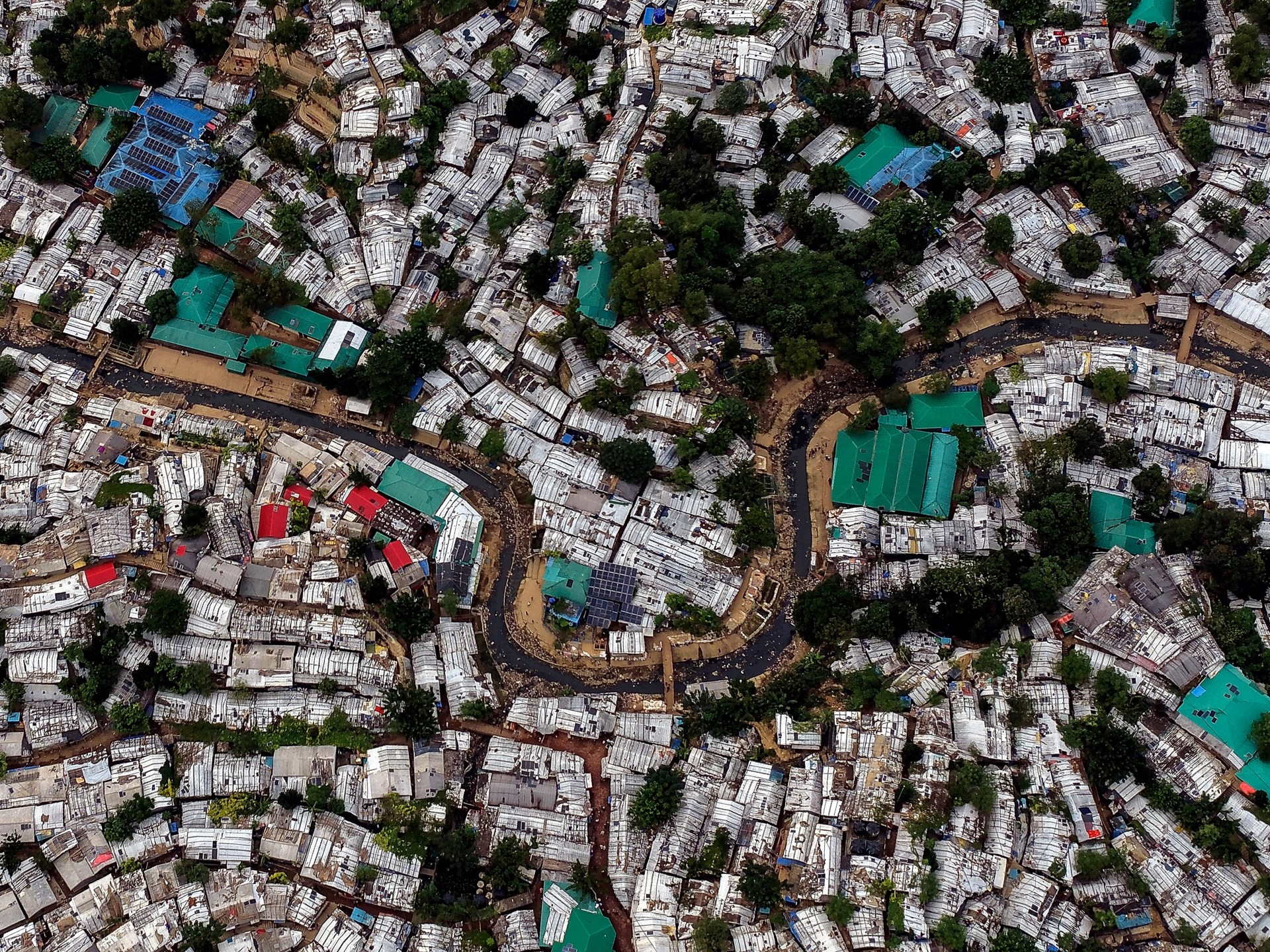
The International Court of Justice (ICJ), the United Nations' highest judicial body, is poised to deliver a landmark ruling on allegations that Myanmar committed genocide against its Rohingya minority. The judgment will be read out on Thursday at 10am GMT in the Peace Palace, The Hague, and could last up to 90 minutes. This decision might mark the first time the court finds a state guilty of genocide, although it has limited power to enforce its judgments. If Myanmar disregards the verdict, The Gambia may petition the UN Security Council for action. The case was brought by The Gambia in November 2019 with the support of the Organisation of Islamic Cooperation, claiming that Myanmar bears state responsibility for genocide resulting from a 2017 military offensive that drove over 730,000 Rohingya, primarily Muslims, from Myanmar into Bangladesh. Survivors have reported killings, mass rapes, and village burnings. A UN fact-finding mission concluded the campaign included "genocidal acts," while Myanmar denies genocide and maintains its forces responded legitimately to attacks by armed groups, claiming there is no evidence of intent to destroy the Rohingya. The ICJ has never held a state responsible for committing genocide, but in 2007 it found Serbia had failed to prevent the Srebrenica massacre without ruling that Serbia itself committed genocide. The judgment could set precedents for other cases, including South Africa's accusation against Israel regarding alleged genocide in Gaza. The ICJ resolves state disputes but cannot try individuals, a task for the International Criminal Court. The Gambia seeks an order for Myanmar to prosecute responsible parties, provide reparations, and ensure Rohingya can return safely. Myanmar challenges The Gambia's right to seek reparations on behalf of the Rohingya. Approximately 1.2 million Rohingya reside in the Cox’s Bazar refugee settlement in Bangladesh, while around 550,000 remain in Myanmar with restrictions on their movement, healthcare, and livelihoods.
SECOND PARAGRAPH:
The International Court of Justice (ICJ) hearing stems from a 2017 military crackdown in Myanmar that displaced over 730,000 Rohingya, primarily Muslims. The Gambia, with the backing of the Organisation of Islamic Cooperation, initiated the case in November 2019, accusing Myanmar of genocide. UN investigators concluded that the campaign against the Rohingya included "genocidal acts." Survivors have reported widespread atrocities, including killings, mass rapes, and village burnings.
THIRD PARAGRAPH:
The ICJ's ruling will be read on Thursday at 10am GMT in The Hague, The Netherlands, at the Peace Palace. This decision might mark the first time the court finds a state guilty of genocide, although it has limited power to enforce its judgments. If Myanmar disregards the verdict, The Gambia may petition the UN Security Council for action.
FOURTH PARAGRAPH:
The ICJ's ruling could have far-reaching implications, potentially setting precedents for other cases, including South Africa's accusation against Israel regarding alleged genocide in Gaza. The ICJ resolves state disputes but cannot try individuals, a task for the International Criminal Court. The Gambia seeks an order for Myanmar to prosecute responsible parties, provide reparations, and ensure Rohingya can return safely. Myanmar challenges The Gambia's right to seek reparations on behalf of the Rohingya. Approximately 1.2 million Rohingya reside in the Cox’s Bazar refugee settlement in Bangladesh, while around 550,000 remain in Myanmar with restrictions on their movement, healthcare, and livelihoods.