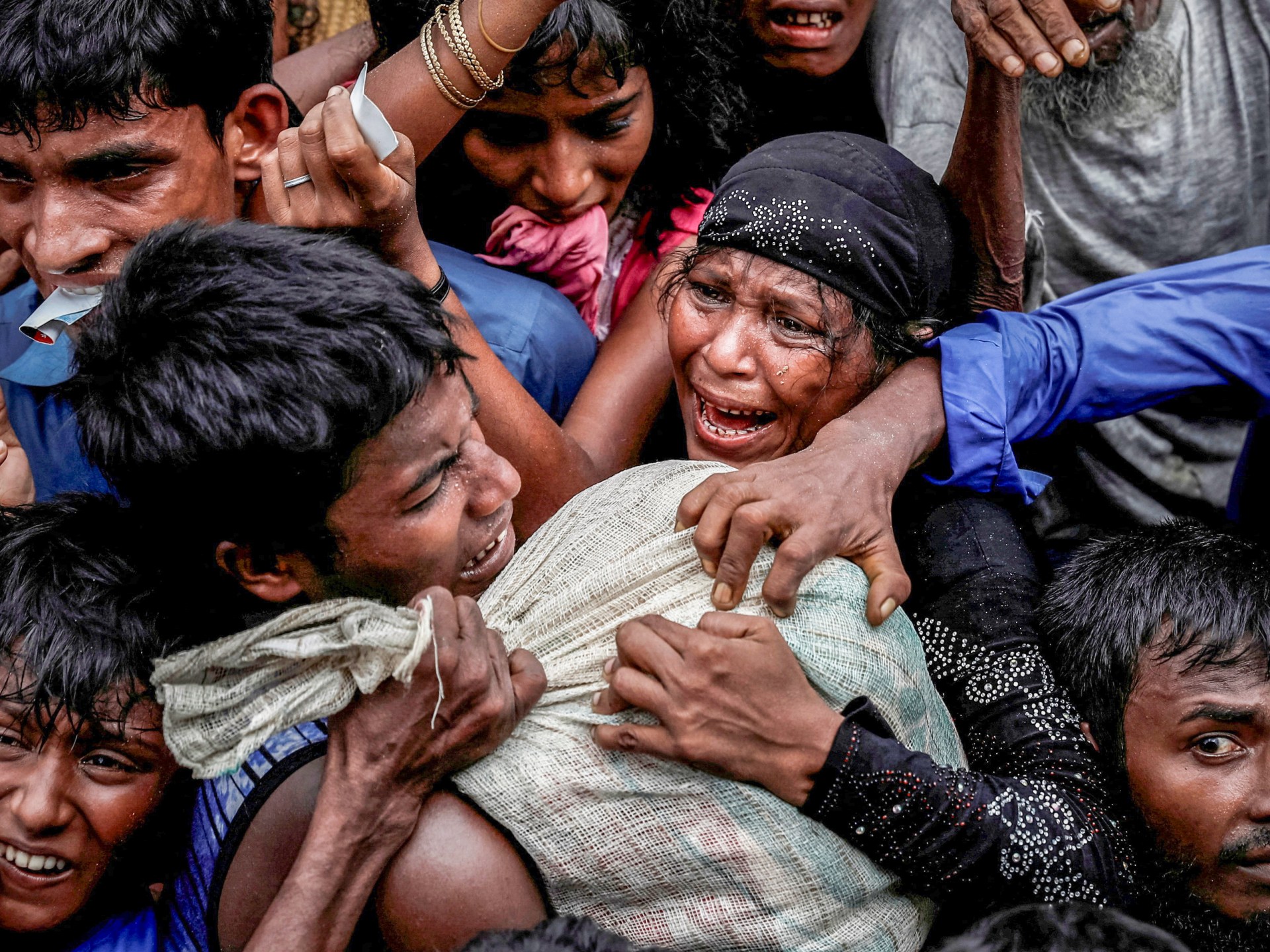
The United Nations' International Court of Justice (ICJ) in The Hague has found Myanmar guilty of "genocidal intent" in its military operations against the Rohingya in 2017. In a case brought by The Gambia, the ICJ ruled that Myanmar had violated its obligation to prevent genocide under the 1948 Genocide Convention. The court's President Yuji Iwasawa revealed evidence of widespread atrocities committed by Myanmar security forces, including killing thousands of Rohingya civilians, perpetrating sexual violence, and attacking fleeing Rohingyas as they sought refuge in Bangladesh. The ICJ further found that Myanmar had acted with "genocidal intent" in specific cases. The court's decision comes after more than 730,000 mainly Muslim Rohingya were forced to flee Myanmar and seek shelter in neighboring Bangladesh due to the military crackdown. Over 1.3 million Rohingyas remain displaced across South and Southeast Asia, with over 1.2 million residing in sprawling refugee camps in Cox's Bazar, Bangladesh.
In its ruling, the ICJ stated that the only reasonable inference from the evidence of widespread atrocities by Myanmar security forces is that they had the intent to destroy a "substantial part" of the Rohingya minority. The court also noted that Myanmar should have known there was a risk of genocide when armed civilians participated in the military campaign. The ICJ's decision comes as a response to allegations made by The Gambia in 2019, accusing Myanmar of seeking to destroy the Rohingya people. Myanmar has claimed its crackdown was in response to attacks by fighters from the Arakan Rohingya Salvation Army (ARSA) on police posts.
The ICJ's ruling represents a significant step towards accountability for human rights violations against the Rohingya community. The court ordered Myanmar to take immediate measures to protect the Rohingya from further harm and to ensure those responsible for genocide are punished. The ruling is also likely to have far-reaching implications for other situations involving allegations of genocide, particularly in light of the ongoing conflict and humanitarian crisis facing the Rohingyas.