The International Court of Justice (ICJ) is set to make history as it delivers its verdict in a seven-year-old genocide case filed by The Gambia against Myanmar. If The Gambia wins, it would mark the first time a state has been found guilty of committing genocide by an international court. The mass expulsion of Rohingya Muslims from Rakhine State in 2017 was a military operation marked by exceptional brutality, with accounts of killing, torture, and mass rape documented by human rights groups and the United Nations. Myanmar authorities have denied accusations of ethnic cleansing or genocide, claiming they were only responding to terrorist actions by Rohingya militants. The ICJ was chosen to address the attacks on Rohingyas because there were few other avenues of redress for the victims. A UN report in 2018 accused top military figures in Myanmar of genocide and crimes against humanity, but Myanmar rejected the findings. The case has drawn global attention, with Nobel laureate Aung San Suu Kyi leading the initial legal defense of Myanmar at The Hague, a move that drew widespread criticism. Historically, proving genocide has been difficult, but The Gambia's team believes they have enough evidence to meet the high bar set by the court.
In 1948, after the Nazi Holocaust, the Genocide Convention was signed, setting a precedent for international accountability for crimes committed by states. Since then, dozens of individuals have been successfully prosecuted for genocide in conflicts such as those in Rwanda and the former Yugoslavia, but no state has ever been found guilty by an international court. "It would be a judgment of landmark importance if The Gambia were to win this case," says Arsalan Suleman, the lawyer leading the case against Myanmar at the ICJ.
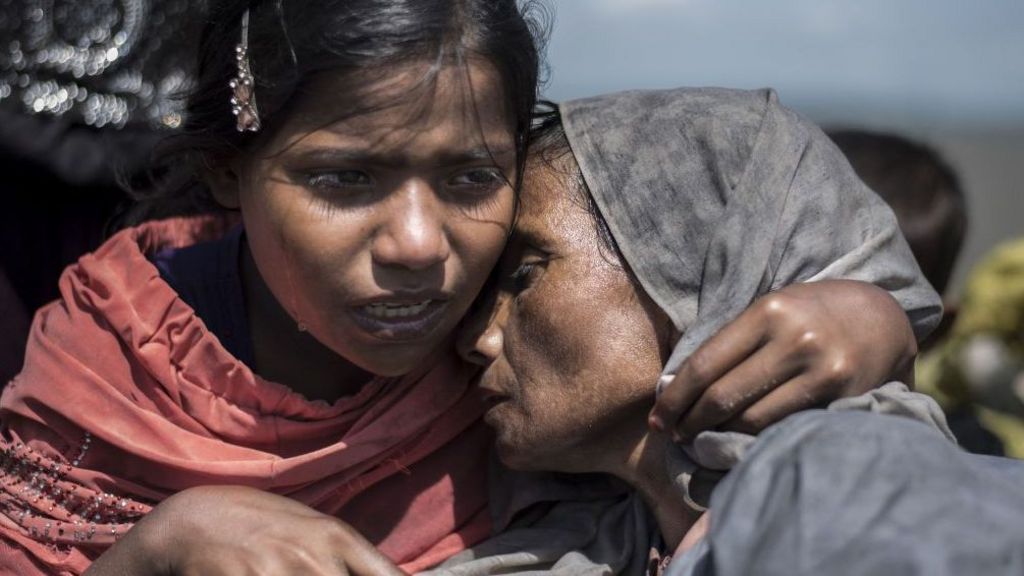
The Rohingya population of Rakhine State was systematically targeted in a military operation marked by exceptional brutality in August and September 2017. Journalists, including the author, witnessed the deliberate burning of Rohingya villages and documented the human suffering of those who fled to neighboring Bangladesh. Accounts of killing, torture, and mass rape by Burmese soldiers have been thoroughly documented by human rights groups and a United Nations fact-finding mission.
The question posed at the UN's top court is whether all of this amounted to genocide. The ICJ was established in 1945 to help settle disputes between states, not to try international crimes. However, it was chosen to address the attacks on Rohingyas in Myanmar because there were few other avenues of redress for the victims. Myanmar authorities have denied accusations of ethnic cleansing or genocide, saying they were only responding to terrorist actions by Rohingya militants with so-called military "clearance operations". A UN report in 2018, based on hundreds of interviews, said the army's tactics were "grossly disproportionate to actual security threats". It said top military figures in Myanmar must be investigated for genocide in Rakhine State and crimes against humanity in other areas. Myanmar rejected the report. As Myanmar was not a signatory to the International Criminal Court, it was not possible to file a case there against the officials accused of atrocities in Rakhine State. Instead, The Gambia, backed by the Organisation of Islamic Co-operation, filed a case at the ICJ, arguing that all states are bound by the Genocide Convention, so all have an interest in upholding it. It accused the state in Myanmar, not just the military, of genocide. This was a novelty in international law; a state not directly affected by an act, arguing that it had legal standing to make a complaint because it was indirectly affected by any violations of such an important convention. Myanmar objected to this argument, but the ICJ judges ruled that The Gambia was eligible to file the case. The case drew even more attention when the Nobel laureate Aung San Suu Kyi, who at the time headed the elected government in Myanmar, chose to lead the initial legal defense of her country at The Hague in person, for which she was widely criticised. She had very limited influence over the actions of the Myanmar military in Rakhine State, but her refusal to condemn them dismayed many of those who until then had admired her courage and adherence to democratic principles. Since she was deposed by a coup in 2021 and placed under arrest, the defense has been led by a new team appointed by the military.