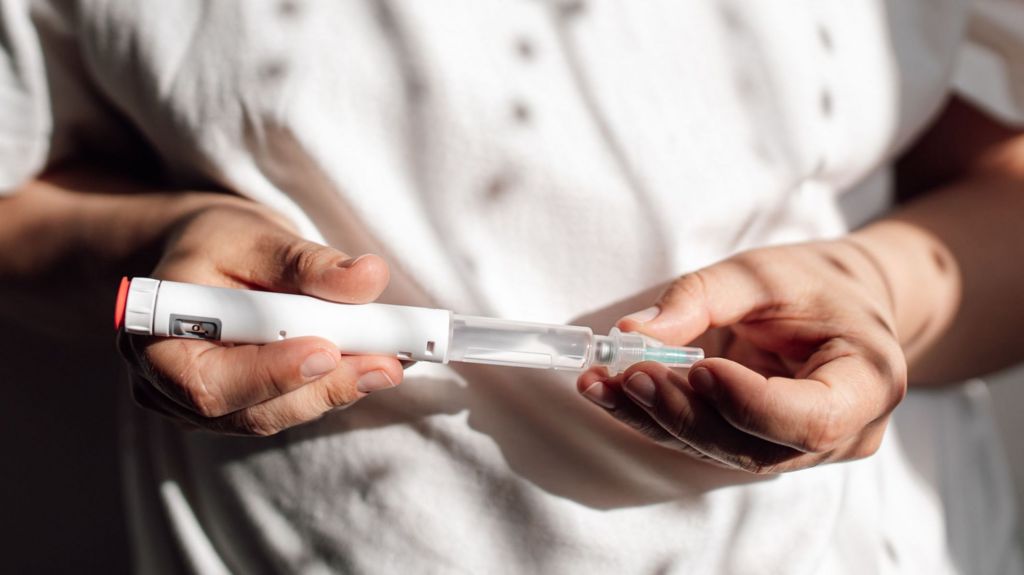
In a recent announcement, the US Food and Drug Administration (FDA) has mandated manufacturers of popular GLP-1 weight-loss drugs, including Ozempic, Wegovy, Mounjaro, and Zepbound, to include warning labels about a rare eye condition called nonarteritic anterior ischemic optic neuropathy (NAION). This disorder can lead to sudden blindness in one eye, occurring when blood vessels supplying the optic nerves become obstructed.
The FDA's decision comes after a thorough review of NAION reports in GLP-1 drug users and analysis of other studies. The agency concluded that there is an increased risk of rare NAION events among individuals taking these drugs. However, it's important to note that the American Academy of Ophthalmology has stated that any added risk appears small, and a causative relationship between these medications and NAION hasn't been established yet.
Patients using GLP-1 medications for diabetes, obesity, or heart disease are advised not to stop their medication without consulting their doctors. If they experience sudden, painless vision loss in one eye, prompt consultation with an ophthalmologist is recommended. It's worth mentioning that there is no known treatment for vision loss caused by NAION, which is the most common cause of acute optic nerve injury in individuals over 50 years old, according to the academy.
Novo Nordisk, the manufacturer of Wegovy, one of the most popular weight-loss medications, stated that their data do not establish a cause-and-effect relationship with NAION. The company reiterated its commitment to patient safety and ongoing monitoring of the drugs' safety profile. Some challenges in evaluating the relationship between GLP-1 drugs and NAION arise from potential pre-existing risk factors for NAION among users, according to the FDA. The exact reason why those taking GLP-1 drugs may be more at risk for the eye condition remains unknown.
The drugs already carry warning labels for conditions such as pancreatitis and gallbladder disease. Common symptoms associated with semaglutide, a key ingredient in many GLP-1 drugs, include nausea, vomiting, and stomach pain. Last year, the European Medicines Agency reported that up to 1 in 10,000 people taking semaglutide might be affected by NAION. A study published two years ago analyzing 17,000 patients found those using semaglutide were four times more likely to develop NAION compared to non-users. However, the findings were deemed significant but tentative and further research is needed on the relationship between the drug and the eye condition in a more diverse population.