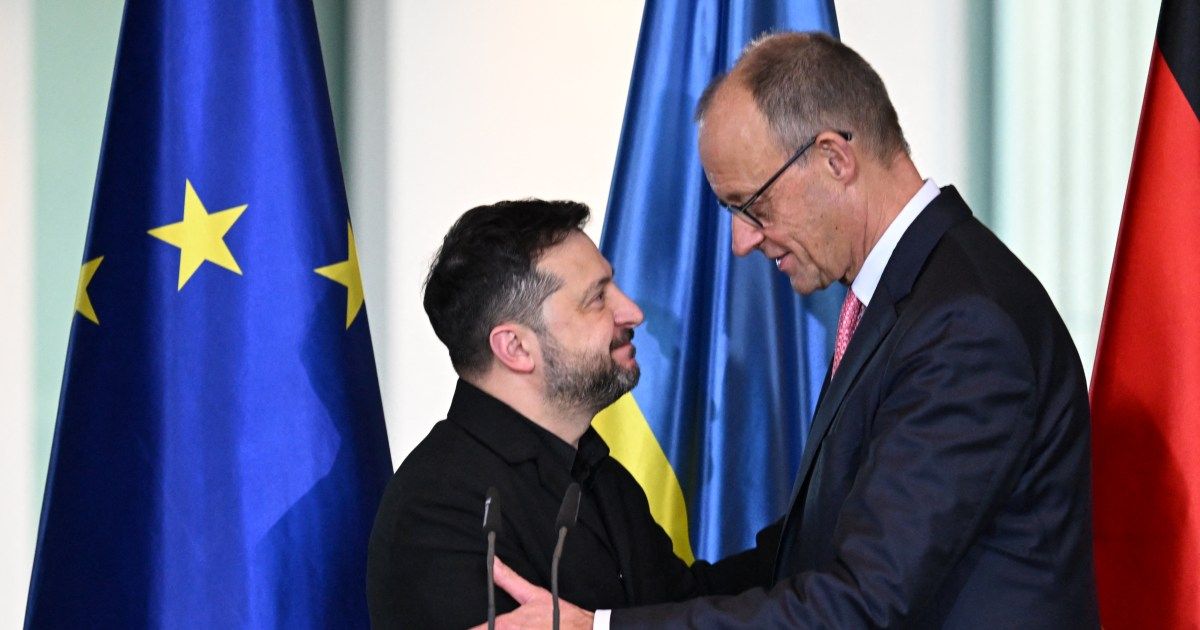
In the backdrop of the Trump-Putin meeting in China, European leaders are set to convene in Berlin for a high-level summit known as the Coalition of the Willing. This gathering, hosted by German Chancellor Friedrich Merz alongside French President Emmanuel Macron and UK Prime Minister Andy Burnham, will involve more than 30 leaders, including Ukrainian President Volodymyr Zelenskyy. The primary agenda of this summit is to address long-term security guarantees and continued military and financial support for Ukraine, as it grapples with a significant financing gap next year amounting to 25 billion euros ($27.4bn).
Amidst the looming threat of Moscow's drone attacks during the approaching winter, air defense will be Zelenskyy's immediate priority. Notably, Trump administration envoys Steve Witkoff and Jared Kushner are expected to attend this summit, where they are likely to meet Ukrainian officials and Europe's newly formed negotiating team. This team includes France, Germany, the United Kingdom, Italy, Poland, European Commission President Ursula von der Leyen, and European Council President Antonio Costa.
The participation of Washington's envoys in this summit could potentially pave the way for a European role in Russia-Ukraine peace talks, although Moscow has yet to agree. The impasse in this regard could potentially sideline Ukraine's main financial backer from decisions concerning its future, as EU countries are poised to make steeper commitments. In anticipation of this summit, the European Commission has proposed an additional 45 billion-euro ($49.3bn) loan for 2027, with up to 25 billion euros ($27.4bn) earmarked for military aid and 20 billion euros ($21.9bn) for budget support.
This summit offers European negotiators an opportunity to align on their demands for the next round of talks and present them directly to Trump's envoys, just days after a public disagreement between transatlantic partners emerged in Brussels. The Berlin summit is set to determine firmer commitments to Ukraine's immediate defense and its 2027 budget, as well as closer alignment between Washington and European capitals. European leaders are cautious about US announcements and Russian intentions and aim to have a say in decisions that will affect their security, budgets, and markets.