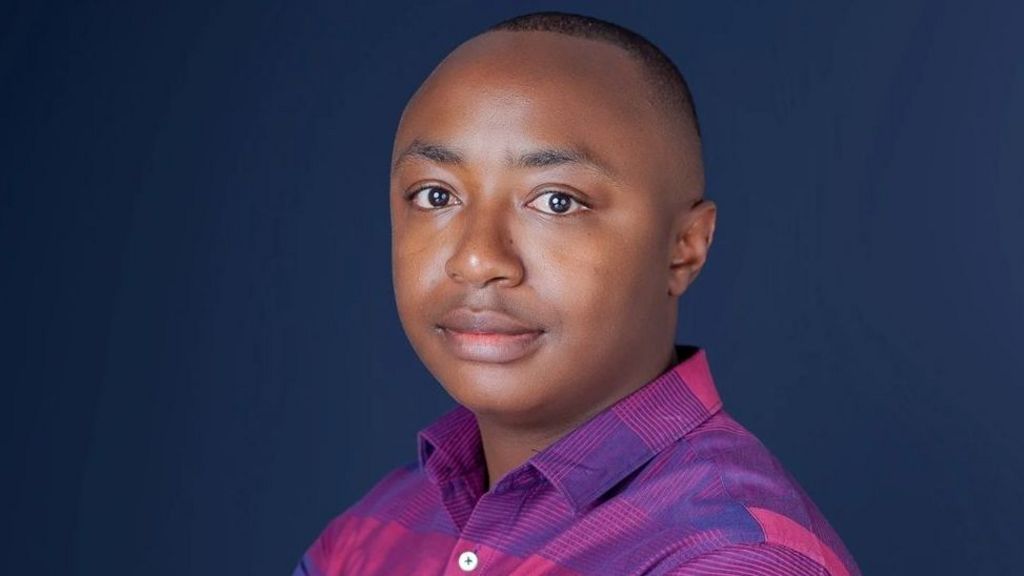
Following an internal investigation, the Caine Prize for African Writing has declared that there is no evidence to support claims that Zimbabwean author Simbarashe Kundizeza used artificial intelligence (AI) to write his winning short story, "The Blue Fighter." The probe was initiated after a US magazine published an article titled 'Yet Another Literary Prizewinner Seems to Be AI.' Ellah Wakatama, chair of the Caine Prize's board of trustees, confirmed that their investigation found no signs of AI involvement in the story. The allegations had sparked a social media frenzy, with Kundizeza vehemently denying the accusation. The article had alleged that AI-detection software Pangram indicated Kundizeza's work was entirely AI generated. This year has seen controversy over literary prizes, such as the Commonwealth Short Story Prize won by Trinidadian writer Jamir Nazir despite AI allegations, and the withdrawal of Canadian-Haitian author Thélyson Orélien from France's top literary award, the Goncourt, due to AI claims. The Caine Prize organization conducted a thorough investigation, involving interviews with the author, judges, and the publication where the story was first published, Shallow Tales Review. They also undertook independent metadata analysis of drafts written by Kundizeza. The investigation, led by an independent cyber security and digital forensic investigator, found no signs of AI involvement in "The Blue Fighter."
In a recent development, the Caine Prize for African Writing has announced that their investigation found no evidence to support allegations that Zimbabwean author Simbarashe Kundizeza used artificial intelligence (AI) to write his winning short story, "The Blue Fighter." The controversy arose after an article in a US magazine claimed AI-detection software Pangram indicated Kundizeza's work was entirely AI generated. The Caine Prize's chair, Ellah Wakatama, confirmed that their detailed investigation found no signs of AI involvement and cleared Kundizeza as the winner of this year's £10,000 ($13,000) award. This year has been marked by controversy over literary prizes, with authors such as Trinidadian writer Jamir Nazir and Canadian-Haitian author Thélyson Orélien facing AI allegations. The Caine Prize investigation involved interviews with the author, judges, and Shallow Tales Review, where the story was first published, as well as independent metadata analysis of drafts written by Kundizeza.
The debate surrounding artificial intelligence (AI) in literature has continued, with the Caine Prize for African Writing clearing Zimbabwean author Simbarashe Kundizeza of allegations that he used AI to write his winning short story, "The Blue Fighter." The controversy started when an article in a US magazine suggested AI-detection software Pangram indicated Kundizeza's work was entirely AI generated. However, the Caine Prize's investigation found no evidence to support this claim and confirmed Kundizeza as the winner of their prestigious award. This year has been marked by controversy over literary prizes, with authors such as Trinidadian writer Jamir Nazir and Canadian-Haitian author Thélyson Orélien facing AI allegations. The Caine Prize's investigation involved interviews with the author, judges, and Shallow Tales Review, where the story was first published, as well as independent metadata analysis of drafts written by Kundizeza.