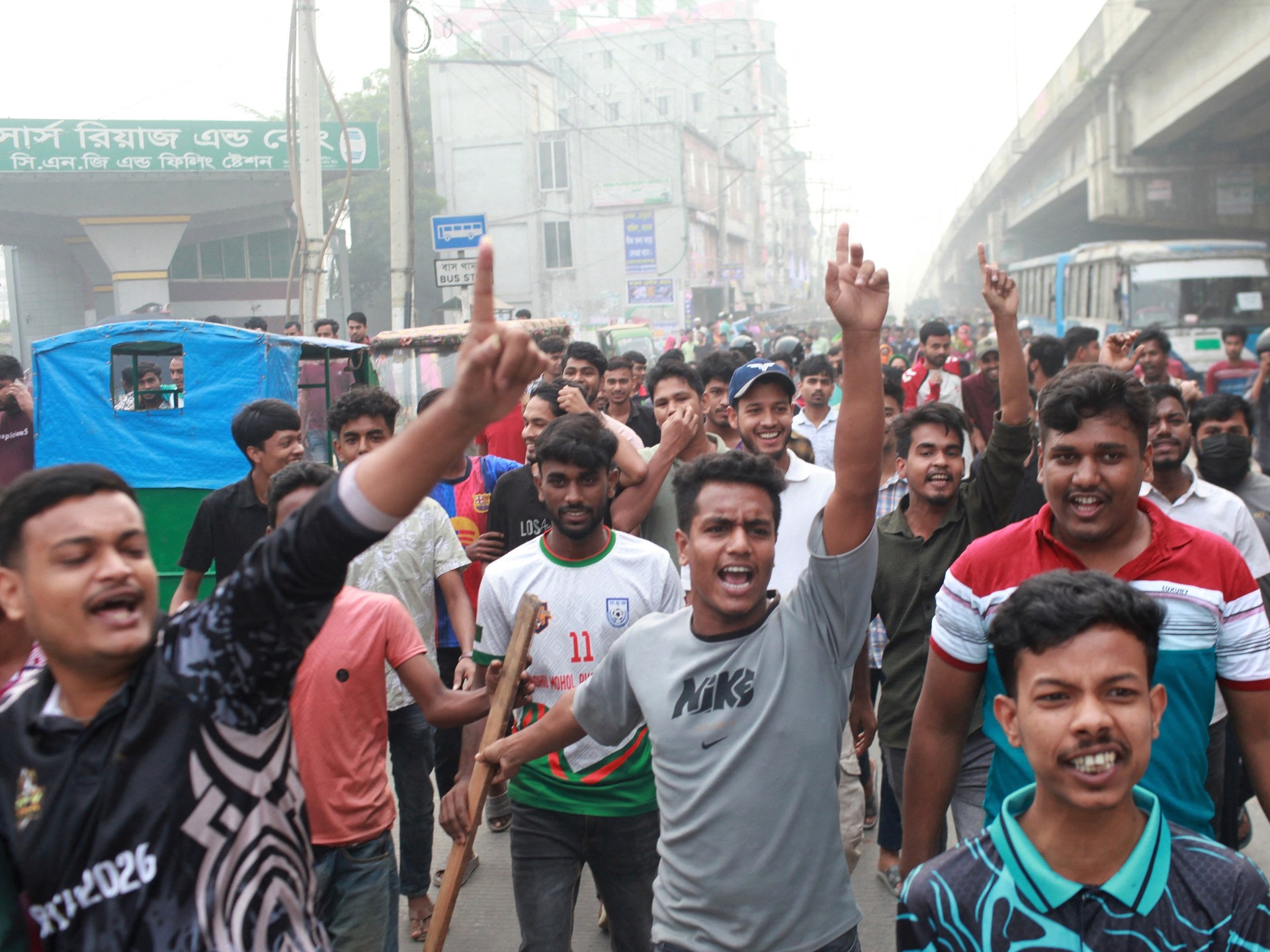
In a shocking turn of events, thousands of garment workers in Bangladesh clashed with police on Tuesday after a key wage board meeting was postponed, resulting in the blocking of a major highway between Dhaka and Mymensingh. This escalation comes amidst growing unrest over wages that began last month, disrupting an industry that generates $38 billion annually and employs over four million people, making Bangladesh the world's second-biggest garment exporter after China.
The workers are demanding a minimum monthly wage of 30,000 taka ($240), a significant increase from the current 12,500 taka, as they grapple with rising costs of food, housing, transport, and healthcare. About 500 garment factories out of 4,500 have already shut down due to this unrest, according to reports.
The "no work, no pay" provision in the country's labor laws allows factory owners to suspend operations and withhold wages when production is disrupted. Workers fear that their concerns might not be reflected in the revised wage proposal, as they await the new minimum wage announcement in December, which is set to take effect in January next year.
Tensions are high in the garment hubs of Savar and Ashulia on Dhaka's outskirts. The wage board, consisting of representatives from employers and workers, was established by the government earlier this month to negotiate a pay rise. A meeting scheduled for Monday was postponed due to illness of a member representing the garment workers. The next meeting is set for November 23. In response to the unrest, Border Guard Bangladesh (BGB) has stepped up patrols across the industrial zone, deploying hundreds of personnel and using technology such as drones, body-worn cameras, and other devices to monitor demonstrations.