Americans Oppose War Candidates by 3-1 Margin, Prioritize Economic Stability over Military Goals
A recent YouGov poll has revealed that a majority of American voters are less likely to back candidates who support the US-Israel war on Iran.
By Pulse World Media Desk
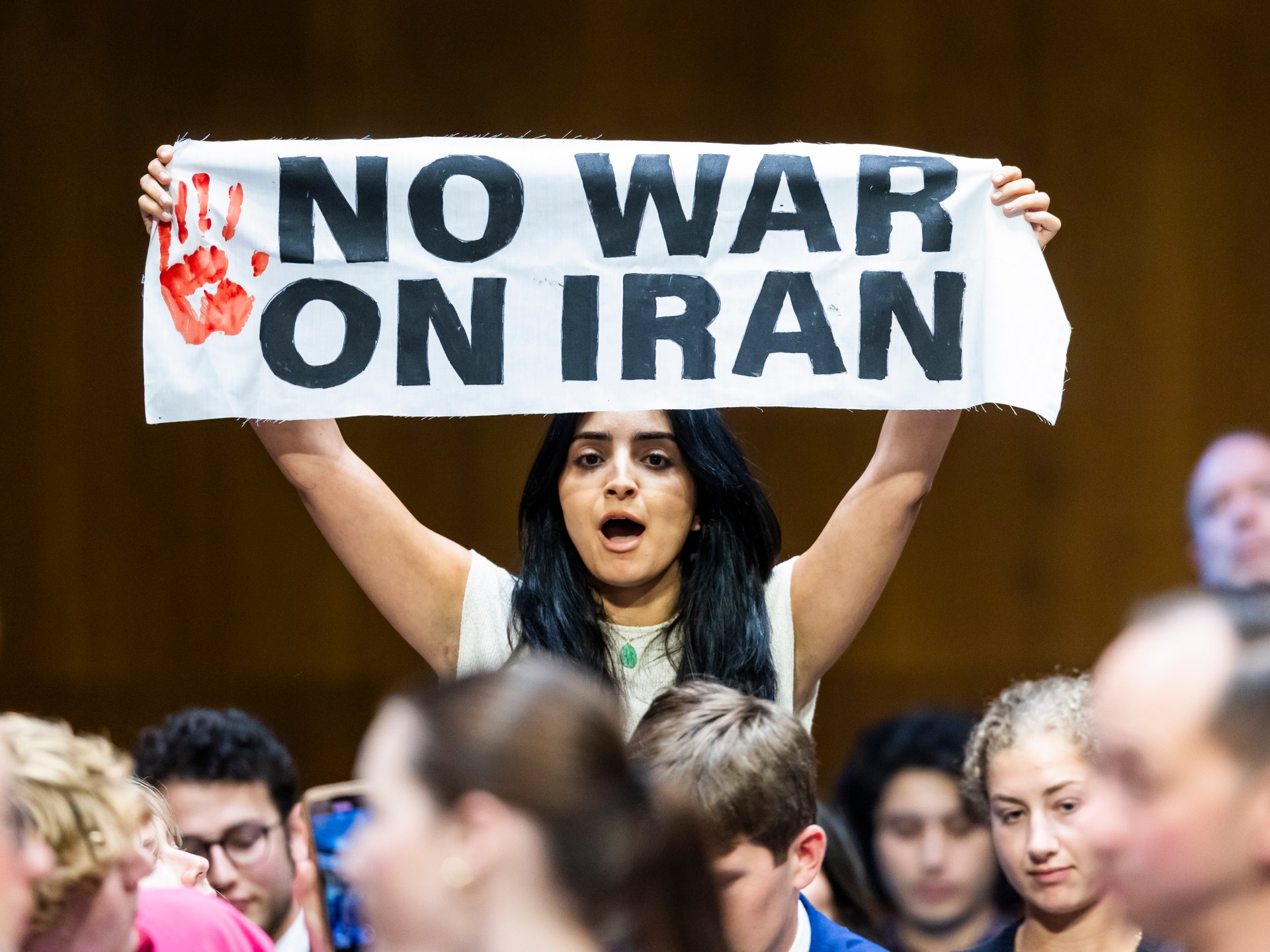
A recent YouGov poll has revealed that a majority of American voters are less likely to back candidates who support the US-Israel war on Iran. The survey, conducted on the eve of the 2026 midterm elections, found that 44 percent of people are deterred by a candidate's support for the war, while only 13 percent are attracted. Conversely, 26 percent of respondents indicated that the Iran war would not significantly impact their vote. The poll also highlighted the economic implications of the war, with 56 percent of participants prioritizing avoiding domestic price increases over achieving US President Donald Trump's military goals in Iran. In contrast, 22 percent favored prioritizing the war over higher costs. The poll further revealed that a majority, 53 percent, believe Congress should have the final say on ending the war, while 29 percent support the president's decision. The US and Israel jointly initiated the war against Iran on February 28, with Trump's decision to bypass congressional authorization raising constitutional concerns. The survey underscores the growing unpopularity of the US-Israel war on Iran, which has resulted in thousands of casualties in Iran and contributed to soaring prices, a key issue in the November 3 midterm elections. The results of the elections, where Democrats reclaimed both chambers of Congress with strong majorities and flipped key offices in states like Texas, have intensified debates over the war within both parties. Analysts argue that Democratic voters may expect their party's leadership to take firmer steps to rein in the president and bring an end to the fighting in Iran. On Monday, Trump himself claimed "Iran militarily is effectively over", but declined to rule out further military action. The US naval and land blockade around Iran remains in effect. Jonathan Guyer, programme director at the Institute for Global Affairs at Eurasia Group, suggests that foreign policy, particularly US support for Israel, could emerge as a key dividing line for candidates in future elections, particularly the 2028 presidential election. A similar debate is also taking place on the political right, with US Vice President JD Vance and figures like Tucker Carlson and Marjorie Taylor Greene criticizing the war as a betrayal of Trump's promise to end conflicts around the world. However, Guyer notes that support for the war among Republicans has been softening.
Filed underConflict
More stories
ConflictConflictConflictConflictConflictConflict